Bwampini
A. E. Dziko
1937 - 2005
Malawi's 'Homer'
Part the First (of Two)
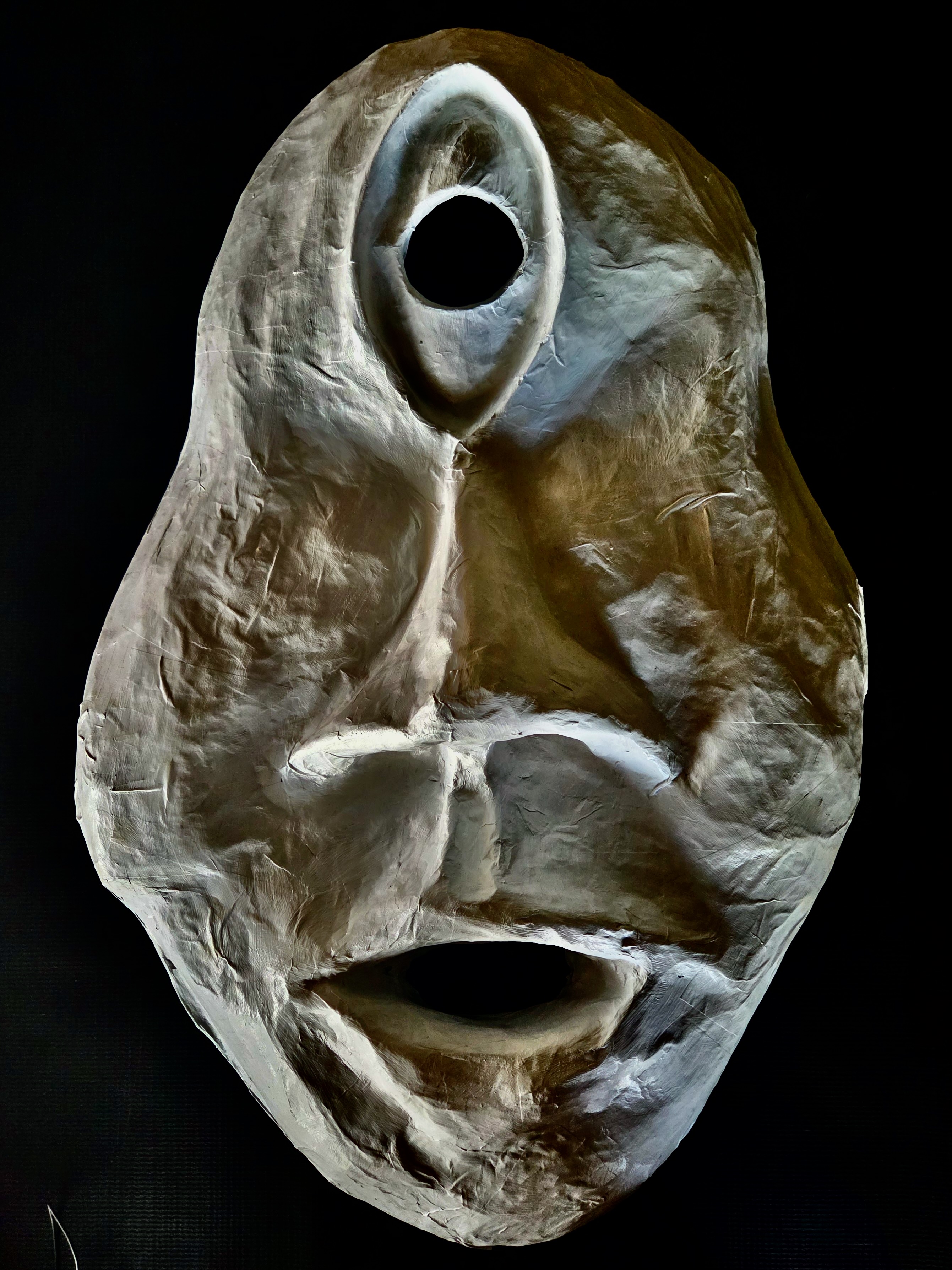
These webpages accompany work to present A. E. Dziko's 'Bwampini' at the Fourth International Classics Conference in Ghana, which took place from 3rd to 4th September 2026 at the University of Ghana, Legon, Accra.
They collect transcripts of the two original texts (the 1965 and 1975 editions), in Chinyanja / Chichewa, together with a recording of the 1975 text and a translation into English (both attempted for the first time). The design of the first page is such that, if it is viewed on a large enough screen, Chinyanja / Chichewa, recording and English might be consulted online in parallel. There is also the possibility of downloading separate .pdf documents and following a playlist. Other material includes a vita, indices (with pronunciation and notes) and a staging of one of the chapters.
It is intended to expand this collection in due course. In the meantime, it is hoped that it will interest students both of the Classics in Africa and of Chinyanja / Chichewa. It may serve also in small tribute to the Author's remarkable achievement.
These webpages were last updated on 4th October 2026.

Introduction
From my Ghana paper:
I taught the Greek and Latin Classics in Malawi for twenty-one years. Two years ago, in this very place [the University of Ghana], I was able to say something about the Classical tradition in Malawi. You may recall also that Paul McKechnie and I were able to introduce two books: his own collection of Essays, on the Classics at the University of Malawi, and Alexander Chula’s reflection on what Kamuzu Academy used to be, 'Goodbye, Dr Banda'. Yet in neither of those books will you find mention of a short novel (just under ten thousand words) by a gentleman called Mr Aloysius E. Dziko. 'Bwampini' appeared first in 1965. It has arguably done just as much as the University of Malawi and Kamuzu Academy to introduce generations of Malawians to the Classics.
It was only in my twenty-first year that I happened to hear from Annie, my housekeeper, that she knew all about the Cyclops – she called him Chikutumbwe, not Polyphemus – and, on enquiry, I discovered that there exists a Malawi ‘Homer’. 'Bwampini' used to be examinable for the Malawi School Certificate Examination and remains on the reading list for Form Four.
It has been a long winter (or summer, if you prefer) of the 'Odyssey'. Sir Christopher Nolan’s film, whatever its merit, has generated a large number of reviews, which suggest considerable popular interest. Less reported is the identification, by James Diggle and John Underhill, of the true location of Odysseus’ home: not modern Ithaca but Paliki, on Kefalonia. My own ‘Odyssey’, of which these webpages are the record, was conducted in Airwing, a suburb of Lilongwe, the capital of Malawi, where I spent June and July in pursuit of 'Bwampini'.
RLH
The Author
It is appropriate that a measure of mystery should attach to Malawi’s Homer, just as to the Greek.
Mr Aloysius E. Dziko was born in Dziko Village, Mtakataka, Dedza District, in 1937 and died there in 2005. He was Ngoni by tribe and Catholic by religion.
Mr Dziko was a teacher at Dedza Secondary and Lilongwe Girls’ Schools. It is likely that he composed 'Bwampini' (1965) either as a student or while teaching at Dedza Secondary School. Certain features of the text suggest development over a number of years and that its origin might have been in a drama group or a classroom.
At some point Mr Dziko travelled to Germany to study Music. He learned German and corresponded in German throughout his life.
Between teaching posts (he is remembered as a History teacher but he certainly had Latin too) Mr Dziko converted his diploma into a degree at Chancellor College, University of Malawi, where he was the contemporary of Mr Tamali Banda (Kamuzu Academy) and he was taught by Prof. Francis Moto (Catholic University of Malawi). Both gentlemen recall him fondly. In retirement he attempted political office, but without success.
'Bwampini' is Mr Dziko’s monument. He also composed drama and poetry. A reconstruction of 'Namula' (a poem) in English survives and is printed here. His library is preserved in Dziko Village.
Mr Dziko wore a 'Wilson' hat (a Homburg) and was meticulous in his habits. He is, of course, remembered for the breadth of his reading.
We are indebted to Mr Patrick Pempho Dziko, the author’s grandson, for this information. Both Dedza Secondary School and Tisanjalale CDSS (where the grandson teaches) were extraordinarily helpful.
The Book
Mr Aloysius E. Dziko is more than ‘Homer’. He is also ‘Hesiod’.
Chapter 01 of 'Bwampini' describes how the world, like Gaul and Malawi, is divided into three realms: Ntheradi, Sachokeka and Midima. We meet the Azimu, the Spirits, and learn their ‘theogony’. There is a great division: Tinjiwa (King of the Spirits) allots Sachokeka, ‘middle earth’, to Ndomondo (the Poseidon ‘figure’) and it is on Sachokeka that the action plays out. More specifically, we are in Africa – there are tribes, there is a respect culture – yet not in Malawi. We have Nyanja, a Lake, but also a river, Nile. Ndomondo lives in the ‘Lake of Salt’ on the far side of the Land of Black Men. Mr Dziko is not Tolkien: we cannot draw a map. However, Uganda, or perhaps the southern Sudan, sounds about right.
Chapters 02 and 03 introduce us to the Angitau and to Bwampini, Chief of Buwa.
Chapter 04 introduces us to the Agangire. We hear of the Judgement of Litsipa and the abduction of Namadanitsa. Zimeze, Paramount Chief of Ngitau, raises an army against Gangire.
Chapter 05 is Nkhondo, War. Bwampini sacks Huwa with the help of a ruse. This is Malawi’s ‘Iliad’.
Chapters 06 to 12 are an account of Bwampini’s travails: Snakes and Baboon People, Chikutumbwe, A Baleful Crab (the ‘Scylla’ figure) and Namatsenga (the Circe ‘figure’), Amphalusa and a Terrible Storm, Gingiswa (the Calypso ‘figure’). This is Malawi’s ‘Odyssey’.
Chapters 13 to 15 are the nostos: they bring Bwampini home, to Buwa. He is avenged by.the Azimu and restored to his country.
Some of this will be familiar, some less so. In addition to Hesiod and Homer, Mr Dziko seems to be familiar at least with Virgil, Aeneid 2, and the story of Agamemnon’s death as related by Aeschylus (Zimeze is slain by the lover of his treacherous wife Nachimasomaso).
'Bwampini' is presented in its 1965 and 1975 editions. The 1975 edition is a revision of the 1965. I copy both not least because the second incorporates the orthographic reforms that were formalised on the basis of the recommendations of the Chichewa Language Board of 1973. There is also a certain amount of revision according to the author’s personal preference. Translation and recording are of the 1975 edition.
Text
1975 ed.
A. E. DzikoChichewa (New Orthography) EditionBookland International
Translation
1975 ed.
R. L. Hewitt and N. Chikusa
Lilongwe, 2026
Recording
1975 ed.
Mizu Arts Theatre
Lilongwe, 2026
Text
1965 ed.
A. E. Dziko
Dzuka Publishing Company
Our Text derives from a scanned copy which has been made available online by the University of Mzuzu. The original book has the stamp of the library of Lupaso CDSS, Luwinga, Mzuzu.
The link to the Scanned Copy (Scribd) is available below.
Please note that we have attempted to reproduce the printed text as closely as possible. Departure, especially Likely Corrections, is enclosed within Square Brackets.
On occasion, Punctuation has been silently corrected.
Division into sections and Emphasis on proper names is intended to assist Gentle Reader. They are not original.
This is a Translation of the 1975 text.
Division into sections and Emphasis on proper names is intended to assist Gentle Reader. It is not original.
A small amount of Explanation is placed in Square Brackets.
Indices of Names and Places, together with other Matter, are appended.
We attempt an English that is neither ad litteram nor ad sensum. We have remained as close as possible to the original. We hope also to be comprehensible. Between ‘Low’ and ‘High’ English we prefer High. However, the Chichewa / Chinyanja palimpsest should be heard alway. Each word has been considered by a body of native speakers and checked against both contemporary dictionaries and those available to Mr A. E. Dziko. There remain unresolved cruces. Suggestion for improvement is welcome.
The Reverend David Clement Scott writes (1892) of the language that we call now Chichewa / Chinyanja thus: ‘The language presents us with the idea of ordered unity in loyal subjection to one ruling idea. Read this in the formation of the noun; see how it rules by office, and how it lays its sceptre upon every portion of its kingdom. Africa preaches monarchy. To any who see and really can interpret spiritual indications, African life is the true counterpart of African speech. The language also speaks of repose; it has the fullest expression of the abstract one has yet met with; it is broad and delicate in its conceptions, essentially suaviter in modo, fortiter in re. It bids for a high place in the kingdom of heaven; and any who would surpass it must be as broad and as courteous as this language and this people declare the genius [our emphasis] of Africa to be.’ Cyclopaedic Dictionary of the Mang’anja Language. Foreign Mission Committee of the Church of Scotland. Edinburgh.
We will have succeeded, if Gentle Reader is inspired to look up the ipsissima verba of Mr A. E. Dziko, whose genius we have grown only ever more to admire over the course of our collaboration.
The following words read better in the original Chichewa / Chinyanja and provide a certain amount of ‘colour’ to the narrative. They are left in the original language:
Basi
Enough, Just, That’s all!
Bwana
Sir
Chonde
I beg and beseech you
Katundu
A store
Khonde
The African equivalent to the Anglo-Indian veranda.
Mfiti
A witch
Moni
Welcome
Namwali
Initiate, A girl of marriageable age
Anamwali
Initiates
Chinamwali
Initiation
Nkhondo
War
Ankhondo
Warriors
Odi
This cry replaces the knocking on a door when there is no door on which to knock.
Pepa(ni)
Sorry, My apology
Ulemu
Respect
Waulemu
Respectful
Ulendo
A journey
Mlendo
Guest, Stranger
Alendo
Guests, Strangers
Maulendo
Travellers
Ideophones, in which Bwampini is rich, are left untranslated. A number of other sounds and expressions, which are not strictly Ideophones, is also presented as they occur.
Names of Musical Instruments and Dances are retained, except for Malipenga (s. Lipenga), which are Horns, Ng’oma (s. Ngo’ma) Drums and Zitoliro (s. Chitoliro), Flutes.
Reference is also made to Zitenje (s. Chitenje), which is the cloth wrapper (Nsalu) of the African woman and to Zibiya (s. Chibiya), which are Ngoni kilts.
Please note that Kings, Chiefs and Paramounts are all Afumu (s. Mfumu). The distinction between heavenly rank and earthly is the translators’.
This humble work is dedicated to Mr A. E. Dziko's memory. May Chimphanza and the other Azimu be kind to him. Cuius animae Deus propitietur.
Mizu Arts Theatre is a group of young people, living in Lilongwe, who have come together to act. Its origin is in the 2026 Shakespeare Schools Festival – Malawi.
Please note that 'Bwampini' belongs to the generation of their grandparents. Some were familiar with the book, not all. However, their enthusiasm for the project has been wholly commendable.
Their speech reflects educated Chichewa as she is spoken in urban Lilongwe today. (In one case, the actor is a Tanzanian resident in Malawi.)
Mizu Arts Theatre is responsible also for the dramatised reading of Chikutumbwe (the Polyphemus figure), which was performed at Madsoc Theatre, Lilongwe, and at Kungoni Centre of Culture and Art, Mua Mission. Vide infra.
Our Text derives from a xerox of a book which is held in the Library of Kamuzu Academy. It was originally part of the collection of Mtunthama Social Welfare Club. The book is defective: there is a Lacuna of four sides.
Please note that we have attempted to reproduce the printed text as closely as possible, including the error of Titivillus. The only Departure is to correct Proper Names (to allow a search). Any Correction is enclosed within Square Brackets.
On occasion, Punctuation has been silently corrected.
Division into sections follows the 1975 text (to allow comparison). Emphasis on proper names is intended to assist Gentle Reader. Neither is original.
Mitu 01 - 15
[01.01]
Kudali msonkhano wa dziko lakumwamba, Kuntheradi kumene anthu anzeru zapamwamba anali kukhala. Iwowo kwenikweni sanali anthu, ngakhale adali ndi matupi chifukwa chanzeru zawo zakuya.
[01.02]
Anthuwa dzina lawo lidali Azimu. Msonkhanawo adauchititsa ndi mfumu ya Azimu onse dzina lake Tinjiwa. Iyeyu adali ndi mkazi wake dzina lake Ngapagwa. Adali ndi abale ake awiri, Chimphanza ndi Ndomondo, amenewa kwenikweni adali aphwake.
[01.03]
Tinjiwa adabereka ana ake ambiri. Wachisamba adali Mbamba, mnyamata wochenjera ndiponso wokonda za chipala. Wachiwiri adali wamkazi, dzina lake Mziisi. Ngakhale adali wamkazi, iyeyu adali wamphamvu kwambiri. Mphamvu zake zidaposa mwamuna aliyense.
[01.04]
Wachitatu adali mnyamata wokongola kwambiri dzina lake Mapiko. Iyeyu adali ndi thupi lopepuka. Pa zothamanga zokha adalibe mnzake. Popeza azimu [Azimu] onse adali wotha kuuluka chibadwire, iyenso ankauluka kwambiri moti njiwa siikadapikisana naye.
[01.05]
Mapiko adapondana ndi Chang’aning’ani [Ching’aning’ani], mtsikana wokongola koyiwalitsa zambiri. Pambuyo pa ameneyu padabadwa chim’nyamata chomvetsa kaso, dzina lake Chezichezi. Luso loyimba ndi lopanga zosema lidalidi lakelake. Chezichezi adali wodziwa kuyankhula ndi kuchita zanzeru ngati atate ake.
[01.06]
Azimu ena ankakwatira koma ena ankangokhala wosakwatira. Koma chifukwa chosachulukitsa pa mtundu wawo, ankakwatirana pachibale. Kotero Mbamba adakwatira mlongo wake, Ching’aning’ani.
[01.07]
Chimphanza adakwatira mdzukulu wake, Mphukeyi, mwana wotsiriza wamkulu wake. Ndomondo ali ine ndikwatira mdzukulu wangayu, chitsirizira chenicheni cha Ngapagwa. Mkazi wakeyo adali Saisi. Pa zokwatira zokha, Azimu sadasiyane ndi anthu okhala padziko la pansi.
[01.08]
Tinjiwa poona kuti dziko lili kum’kulira, abale ake ndi ana ake omwe akhwima nthenga, adaitanitsa chimsonkhano cha Azimu onse.
[01.09]
Onsewa atasonkhana m’chinyumba chochezera, iye adadzuka pa chimpando chaulemu. Nthawi yomweyo onse adakhala chete.
[01.10]
‘Mkazi wanga wamphete, aphwanga ndi ana anga onse, kusonkhana kwanu kwandikondweretsa ine, mfumu yanu. Ndati ndikuuzeni chinsinsi cha bambo wanga chimene ndachisunga ngati phukusi la mbewu. Mukulidziwa dziko lino mukukhalali. Tayang’anani pansipo. Dziko ilo likuonekalo mukulidziwa? Nanga pansi pa dziko limene likuonekalo, mukulidziwanso?
[01.11]
‘Bambo wanga adalenga maiko atatuwa: loyamba ndi lino tikukhalali; lachiwiri adalipatsa kwa anthu a pansi, mukuwaonawo; lachitatu, lili pansi penipeni, ndiye kumene ndimatumiza anthu akufa. Ife sitifa, koma apansi okhawo. Dziko lino ndi Ntheradi, la anthu amoyo ali pansiwa ndi Sachokeka, ndipo la akufawo ndi Midima. Monga mukudziwa, chintchito changachi ndi cholemetsadi. Ndimalamula maiko atatu onsewa, ndikupereka zonse zofunika. Lero mwakula aphwanga ndi ana anga ndiye ndati ndikugawireniko udindo wangawu.’
[01.12]
Chimphanza:
Akulu, ndikudulani, si chipongwe ayi, mwachita bwino kwambiri.
Onse:
Pwa! pwa! pwa! (m’manja)
Tinjiwa:
Zikomo kwambiri, tsonotu tione wotha kulamula ku Sachokeka, nyanja zonse ndi mitunda yomwe.
Mziisi:
Bambo akulu a Ndomondo, angayesere.
Ngapagwa:
Siingawalake ntchito imeneyi, ndiponso ndikuona ngati amalikonda dzikolo makamaka nyanja zake.
Onse:
Ha! ha! ha! ha! ha!
Tinjiwa:
Mukuti bwanji akulu?
Ndomondo:
Ndikamanga nyumba yanga yaufumu mu nyanja ya mchere [Nyanja ya Mchere], kum’mawa kwa dziko la anthu akuda.
Onse:
Pwa! pwa! pwa! (m’manja)
Tinjiwa:
Nanga ku dziko la anthu akufa?
Ching’aning’ani:
Bwanji kupite bambo wamng’ono popeza amakonda kumva chisoni makamaka akamwalira munthu ku Sachokeka.
Mphukei:
Kodi? Nkwabwino amunanga?
Tinjiwa:
Monga mwavomera achimwene?
Chimphanza:
Izo ndizo ndimakonda.
[01.13]
Mfumu idapitiriza kuyankhula, kuti pankasoweka mtumiki woyamba wa mithenga. Onse adamvana kuti akhale Mapiko, chifukwa ndiye adali wandawala. Kenaka adasankha ogawira luso ndi nzeru anthu a ku Sachokeka. Apo sadatsutsane kwambiri, Chezichezi adalandira ntchitoyo. Pamene adafika pa mutu wa nkhondo ndiye padali mgwegwe. Mfumu itafunsa, amene adayankha ndi Mapiko.
[01.14]
Mapiko:
Ntchitoyi ndi yoyenera munthu wamwamuna, akazi ayi. Bwanji atayesa a Mbamba?
Ndomondo:
Ntchitoyidi ndi ya munthu wamwamuna, koma mukaona amunafe timatupi tathu ndiye ngati tiziwala. Atayesa a chemwaliwa, a Mziisi, Tawaonani pamene ayimapa.
Ngapagwa:
Apodi ndi zoona sikukondera, koma Mziisi akadayesera.
Mbamba:
Tisalimbane kwambiri bambo. Ngakhale ali wamkazi, Mziisi atha kuyesera.
[01.15]
Pamenepa onse adagwirizana, Mziisi adasankhidwa kukhala mtsogoleri wa nkhondo. Mbamba adasankhidwa kuti akhale mwini zida ndi chipala. Utatha msonkhano, Ndomondo ndi Saisi, mkazi wake, adauyamba ulendo wa ku Sachokeka. Nayenso Chimphanza adapita ku Midima ndi mkazi wake.
[01.16]
Tinjiwa adakondwa ndikulamula kuti chakudya cha Azimu chibwere. Azimu amadya uchi ndi chingwa, ndi kumwa manyuchi basi. Mbamba ndi Ching’aning’ani adamenyetsa zitsulo zawo m’chipala. Anthu a ku Sachokeka ndi Midima adadodoma ndipo adagwira pakamwa osamvetsa zochitika ku Ntheradi pa kumva mabingu.
[02.01]
Ku Sachokeka, dziko lachiwiri, kudali bata. Kudali mitundu yambiri ya anthu. Angitau ndiwo udali mtundu waukulu wa anthu onse. Dziko lawo lidali pafupi ndi mtsinje wa Nile ndipo linkatchedwa Ngitau. Mfumu yawo idali Zimeze, munthu watsitsi lakuda, wachinyamata, wokhuthala bwino, wamfupi, wansangala kwambiri ndiponso wokongola mwachiufumu.
[02.02]
Nachimasomaso, mkazi wake, adalidi munthu wamayi. Iye adali wachifupikire, wonenepa, tsitsi lotuwira, timaso towala, nkhope yosalala ndi yowala ndipo zonse mwa iye zidalidi m’malo mwake. Mwa akazi onse a ku Sachokeka panalibe wokongola.
[02.03]
Tsiku lina akucheza ndi mkazi wake, bwenzi lake, ndi nduna ndi mamulumuzana ake mkhonde mwa nyumba yake yokongola yachifumu, adadodoma pomva chimkokomo cha mphepo. Anthu onse adaleka kuyankhula ndi kumayang’anitsitsana. Chimphepocho tsono chidangozungulira nyumba yake.
[02.04]
Mwadzidzidzi adangoona mtambo woyera pafupi ndi nyumba yake. Onse pakhondepo poona mnyamata wamtali, wachilendo, wokongola akuchokera mumtambo, adalenguka ndi mantha ndi kugwa pansi.
[02.05]
‘Dzukani musaope.’ Liwu lomveka bwino lidatero. Onse adadzuka ndikukhala tcheru. ‘Ndine Mapiko wamthenga. Ndachoka ku Ntheradi, kumene kumakhala Tinjiwa, Mfumu ya mafumu kuti ndidzalalike ndi kupereka uthenga wake. Iye wati, kuyambira dzulo maufumu atatu agawidwa, mukuwadziwa kale maufumuwa. Dziko lakumwamba, Ntheradi; mfumu yake ndi Tinjiwa. Ufumu wa pansi pano, kuno ku Sachokeka, uli m’manja mwa Ndomondo, mkulu wake. Dziko lapansi penipeni, ku Midima, Chimphanza ndiye azilamulira.’
[02.06]
‘Uthenga wina ndi woti mukafuna nzeru muzipepempha kwa Chezichezi. Mukafuna zida za nkhondo, muzipempha kwa Mbamba, ndipo ngati ndi koyenera adzakupangirani. Mziisi ndiye wodziwa dongosolo lonse la nkhondo.’
[02.07]
Atayankhula choncho, mtambo ujanso udam’phimba. Mfumu idayang’anitsitsa nduna zake ndikufunsa kuti uthenga wa kumwamba aumvetsa bwanji.
[02.08]
‘Tichitenji?’ mfumu idafunsa. Mwa anthu onse omwe adabadwa, nayamwa mawere a munthu wamkazi nalembedwa kuti adzafa tsiku lina, sipanaoneke munthu wochenjera poyankhula ndi kuweruza milandu: ndipo padalibe wodziwa kulewa ndale za anthu, amene akadayankha chifunso chokhwima cha mfumu, koma Bwampini yekha.
[02.09]
Iyeyu adali mmodzi mwa nduna zowerengedwa za mfumu. Kwawo kudali ku Buwa dziko lomwelo la Angitau, koma kafuko kena. Pomva funso loterelo nduna zina zitatu zidaganiza zochitira chipongwe Azimu, chifukwa ankafuna kuwalanda ufumu. Ena adati, tingokhala, tione mmene ziyendere.
[02.10]
Bwampini yekha adatsutsa nati kwa mfumu ndi kwa makosana onse, ‘Poyamba ife ndife anthu, a ku Ntheradi ndi Azimu. Ife nzeru zathu zicheperatu poyerekeza ndi zawo. Sitingachite chipongwe, chifukwa mmene tikuyankhulamu akutimva. Mmene agawana maufumu chonchomu ndi bwino, chifukwa ifenso phindu lathu ndi lalikulu. Ndi nzeru zawozo adzatithandiza. Tingochita chaka posonkhanitsa anthu onse kuti amvetsetse. Tikatero tidzakondweretsa Tinjiwa poti watitumizira Ndomondo, kuti adzakhale wotiweruza pa zinthu zimene sitimvetsa ndi nzeru zathu za umunthu.’
[02.11]
Pomva mawu anzeru oterowo, mfumu, mkazi wake, nduna ndi makosana onse, adamuombera m’manja ndi kumuweramira. Mawu ake adali anzeru. Mfumu adauza nduna yake yaikulu kuti isonkhanitse anthu ake kuti akonzekere za chaka. Bwampini atafotokozera chigulu cha anthucho, monga mfumu adapempha, anthu adabalalika. Mmawa mwake, anthu adapha zifuyo monga: nkhuku, nkhosa, mbuzi, ng’ombe ndi nkhumba. Adaphika zakudya zochuluka ndi kukonza zakumwa zoledzeretsa. Anthu onse atasonkhana, mkulu wansembe, Chipempherere, adapereka nsembe kwa Azimu onse naperekanso ina yapadera yolandira ndi kuvomereza chitetezo cha Ndomondo. Ndipo anthu adadya, navina ndi kumwa kwa ndazioneranji!
[03.01]
Anthu amafanana pa kapangidwe, koma kusiyana kwawo pa zambiri ndi kwakukulu. Kudali mtundu wanzeru, waluntha ndi luso m’dziko lomwelo la Angitau dzina lake Abuwa. Iwo anali kukhala chakum’mwera m’dziko la mfumu Zimeze. Mfumu yawo idali Bwampini.
[03.02]
Bwampini adali ndi msinkhu wautali, wokulupala, wa tsitsi lobiriwira, nkhope yake idali yaifupi, phuno yake yaitali ndipo kunsonga kwake idali ngati mlomo wa chiombankhanga. Adalidi wokongola m’maonekedwe.
[03.03]
Akuluakulu amtundu waChibuwa ankati Bwampini akadali mnyamata, atsikana ankangomulondalonda, nkhalamba ndi tchembere zomwe zidamfunsirafunsira. Chachikulu kopambana, iye adapambana anthu anzake onse pa nzeru. Anthu ambiri poganiza ankati, pang’onong’ono bwenzi atakhala mwana wa Tinjiwa. Poyankhula zanzeru kapena mtsutso ndi anzake, pogamula milandu, pa masewera a mitundu yonse, padalibe mnzake.
[03.04]
Chifukwa cha zonzesi, Zimeze sadapeneke kumusankha iyeyu kukhala mulumuzana wamkulu mwa onse ndiponso nduna yake. Mwa chiganizo cha anthu ndi Azimu okhala ku Ntheradi, iye adachita mwayi wokhala ndi mkazi wolingana naye pafupifupi zonse. Dzina lake adali Namasinkho. Munthu ukakhala wanzeru, tsoka ilo mwina umakwatira chidzete, kukhala wotsetekeka, mkazako mwina amakhala kaphulika; Khungu!
[03.05]
Phula lotereli Bwampini adalibe. Adagwiradi pakatikati. Awiriwa adakondonadi; chikondi cha bulangeti! Mtendere udali wathunthu pakati pawo. Anthu odzawayendera sadaleke kuzizwa ndi udongo, ufulu ndi kumvana kotereko.
[04.01]
Ku Ntheradi kudali chimwemwe cha malipenga; nako ku Sachokeka kudali ufulu wokhawokha. Zimeze ndi anthu ake sadaleke kuthokoza Ndomondo chifukwa zonse zidayenda mwakaso.
[04.02]
Ngakhale kudali chimwemwe chotere, m’dera lina, kumene kudali anthu amtundu wina, nawonso anthu aluso (koma pang’ono), sadali osangalala kwenikweni. Kwenikweniso mtunduwu udali wopanda nsangala wofuna kutsutsulatsutsula ena pachilonda.
[04.03]
Mtunduwu unkatchedwa Agangire. Mfumu yawo idali Gangire amene. Mfumuyi idali yokalamba koma yanzeru. Munthutu akakalamba nthawi zina amatayirira pa zinthu zina. Ana ake ndiye ankangokhala ngati alowa kale ufumu.
[04.04]
Gangire adali ndi ana ake aamuna awiri, Litsipa ndi Utwa. Woyamba ndiye adali wamkulupo. Iyeyo ankakonda kumuwetetsa ng’ombe ndi zifuyo zina. Wang’onoyo, Utwa, popeza kuti adali ngati chitsirizira, ankakhala kumudzi kusangalatsa ukalamba wa atate ake. Komatu adali ndi mphamvu zambiri.
[04.05]
Tsiku lina Litsipa atapita ku ubusa, iye mbuzi zake adangozisiya pa msipu wambiri. Iye adafuna mthunzi pena, nakhala pansi. Akudzikhalira choncho akuganiza zake, chinthu china chidamudabwitsa; kudalibe mitambo konse, koma mwadzidzidzi, padaoneka mitambo itatu yoyera, chakum’mawa, youluka ndi liwiro. Posakhalitsa adayionera chapafupi. Kenaka adangoona kuti ndi anthu, atatu aimirira pafupi naye: anthu ovala zonyezimira ngati dzuwa, nkhope ngati makanda, okongola kosasimbika.
[04.06]
Iye mwaulemu adawalonjera, natonthola ndikuwayang’anitsitsa mosachita mantha. Iye adamvetsa kuti adali Azimu. Mosataya nthawi, Ching’aning’ani mkazi wa Mbamba adayankhula.
[04.07]
Ching’aning’ani:
Kodi ukudabwa? Ife tadza kudzakuchezetsa, kwina takukonda ndipo tabwera ndi mphatso. Utchule ndani mwa ife ali wokongola. Ameneyo ndiyemwe ati akupatse mphatsoyo.
Mziisi:
Komatu pamenepa uyunera kuganiza bwino. Ukatchula ine ndikupatsa mphamvu zopambana aliyense amene amamwa madzi.
Chezichezi:
Ine ndidzakupatsa luso loyimba mngoli, kusemasema ndi kujambula. Mwini wa zopangapanga zonse udzakhala iwe.
Ching’aning’ani:
Ukanditchula ine, udzakwatira mkazi amene ali wokongola mwa atsikana onse a ana a anthu.
[04.08]
Pamenepo mwana wa mnyamata adavutika ndi maganizo. Zimenezi sizinali zakutulo koma zoonadi. Mphamvu adali nazo, koma mpang’ono; ana anzake adamukanika kale, lero adali ndi mwayi wopeza mphamvu zowonjezera zomenyera! Ndiponso tsopano ndi akuluakulu omwe sadzamuopsanso. Kwinaku adasirira zoyimba ndi zopangapanga. Iye mwana wa mfumu akadatha kuvinitsa ndi akambuku omwe tsopano ndi nyimbo zake zotsekemera. Atate ake, akadawapangira mipando, matebulo, ndi mabedi omwe. Litsipa mbiri yake ikadamveka ponse.
[04.09]
Koma ganizo la mtsikana wokongola koposa azimayi ndi atsikana onse apansi pano lidamkondweretsa kwambiri. Sadatayenso nthawi posankha, adaweremira Ching’aning’ani. Namutchula mfumu ya anthu okongola onse. Azimu nthawi yomweyo sadachedwenso, Ching’aning’ani yekha adatsalira namfotokozera bwino za mtsikanayo. Dzina lake Namadanitsa. Adali kukhala ku dziko la Angitau ndi Ndaziona, mng’ono wake wa Zimeze.
[05.01]
Zinthu zonse zimayenda monga momwe adazipangira. Zonse zimayamba ndi kutha. Munthu akababwa amangochita zomwe adamulembera, kaya ndi tsoka kaya ndi mwayi, zonsezo amangokumana nazo, azifune kaya asazifune, mmomwemo. Namadanitsa ali ku madzi kukachapa ndi anamwali ake, adaona chinthu choyenda pamadzi chikubwera. Pochiyang’anitsitsa adaona kuti ndi ngalawa yaikulu. Atayang’anitsitsabe adaona kuti mudali anyamata ndi anthu akuluakulu.
[05.02]
Ngalawa itakocheza pa gombe, mkulu wa onse adatuluka ndi za nkhondo, nafunsa ngati atsikanawo adali kudziwa kumene kunali kukhala mfumu ina, Ndaziona, mphwake wa Zimeze, mfumu ya Angitau. Pamenepo Namadanitsa adadzuka ndikuyamba kumulonjera mlendoyo ndi anzake ena onse. Kenaka adafotokoza kuti, Ndaziona adali kukhala kumtunda kwenikweni kwa Nile, pafupi ndi Nyanja; Zimeze mkulu wake anali kukhala cham’munsi mwake. Namadanitsa adapitiriza kufotokoza kuti, ‘Pamene mwaimapo ndi pafupifupi ndi nyumba ya mfumu, imene simungaione chifukwa yabisika ndi mitengoyi. Mukafuna kukaona mfumuyo, ine mkazi wake, Namadanitsa ndikuperekezani ngati palibe choletsa.’
[05.03]
Pomvadzina la Namadanitsa, Litsipa adathunthumira ndi chimwemwe, nanyivula pang’ono nati: ‘Poti ndaona kumeneko kukhala ngati nkopitika ndi ngalawayi, talowani mom’muno ndi alezi anuwa, kuti tifulumire, chifukwa tikufuna tiyende mwamsanga.’ Mwamsangamsanga adanong’oneza mmalinyero wamkulu kuti asapitenso kunyumba kwawo.
[05.04]
Chosadziwa, mtsikana mmodzi sadalowe nawo adangobisala. Poona kuti ngalawa ikuthamanga pamadzi ulendo wa kwawo, mtsikana uja adakuwa ndi kulira mokweza ngati lipenga. Anthu adabwera kudzaona, koma adapeza Litsipa atapita kale, ali pafupinso kufika kwawo, Agangire poyendetsa ngalawa adali opambana.
[05.05]
‘Amayi, a Namadanitsa, abedwa ndi Agangire!’ adatero pouza anthu onse.
[05.06]
Ndaziona atamva zimenezo, zidamzula moyo! Sadathe kulira kapena kuyankhula. Atapeza nzeru, adasonkhanitsa anthu ake, nawafotokozera kuti mwa zolengedwa zonse, iye, Ndaziona, adalibe mnzake. Kameneka kadali kachiwiri kupeza milandu yotere, sabata yatha mwana wake wachisamba adampeza mikango itaphangirana. Kodi zimenezi zidali zotani?
[05.07]
Adatuma anthu asanu pa hatchi kukauza mkulu wake Zimeze, ndi kumdziwitsa kuti Gangire wamema nkhondo ya Angitau pomubera mkazi wake Namadanitsa. Iye yemwe adauza amisiri okonza ngalawa kuti akonzeke, adauzanso mulumuzana wake wa nkhondo kuti asonkhanitse anyamata amagazi ndi kuwapatsa zida za nkhondo. Mkulu wakenso atamva adachita chimodzimodzi. Posakhalitsa adatulukira ndi ngalawa zake za nkhondo.
[05.08]
Gangire wamkulu atamva zimene mwana wake adachitira Zimeze, pomubera mlamu wake, adadziwiratu kuti nkhondo ikubwera, adauza Kazione, mkulu wa nkhondo kuti akonzeke, chifukwa padalibenso chibwana.
[05.09]
Tsiku loti mawa ndi nkhondo anthu amaso, adaona kumwamba mbalame zikuluzikulu zikumenyana ndi kusosolana nthenga. Mbamba adayimba malipenga ake ndi kumenya ng’oma zake ‘Gulugulu!’ Sachokeka adadzadza ndi mabingu ndi zing’aning’ani. Kudziko la Agangire kudali bwalo lobulika bwino, lomwe pamachitikira masewera a mitundumitundu. Kalekale makolo omwe adaponyerapo nkhondo adafika ndi kudzadza.
[05.10]
Ku Ntheradi, Tinjiwa ndi anthu ake adagawikana, ena adafuna kuthandiza Angitau ena Agangire. Mitima ya anthu onse idagunda mopitiriza, nthumanzi idagwira aliyense.
[05.11]
Bwampini, Kazembe wamkulu wa Angitau onse ali pa hatchi, adatsogolera ankhondo onse a Angitau. Kazione naye adachita chimodzimodzi.
[05.12]
Maliro, zilonda, kulira, njala, nkhawa zidazadza ponseponse pa dziko la Sachokeka. Phokoso la mikondo, zibonga, mauta ndi nyankhwa zidagonthetsa makutu a anthu. Pherera, Kazembe wachiwiri wa Chingitau adasakaza Agangire kwabasi. Kumangowapha ngati adzowe. Iye chibadwire chake, mpeni, mkondo, muvi sizidathe kulowa m’chikopa chake. Chifukwa cha ichi adangopita dala pakati pa amaliwongo, omwe amamponyera mipeni, mikondo, mivi, koma osabaidwa. Naye Kazione, amene adali mwana wa Ching’aning’ani, chifukwa atate ake, Chokhola, amene adagona ndi Mzimuwu tsiku lina, ngakhale adali mkazi wamwini, nayenso adasakaza Angitau.
[05.13]
Utwa, mwana wamng’ono wa Gangire, nayenso adapambana koopsa. Munthu wamtali, wathupi, wodziwa kulewa ndi kuponya, adachitadi zachimuna.
[05.14]
Mitembo ya anthu akufa pambali zonse idakanika kukwiriridwa. Afisi ndi nyama zankhuli zonse zidachitadi chaka, mbalame zolusa monga ngwangwa, zidapeza chajira. Zimeze adavutika m’moyo poona mwana wa mchemwali wake Saopa, atabaidwa m’mimba ndi mkondo wa Kazione. Adaponya mivi ingapo kuti alase mdaniyo koma mivi inkangodya dothi; ina idalasa Agangire ena. Saopa adafa adakali mbeta yachimuna (akadali m’bwalo).
[05.15]
Pherera atalusa kwambiri, adathamanga pakati pa Agangire. Poona maponyedwe ake, osaphonya ndi osapherereka, ankhondo adamwazika. Poona zimenezo, Utwa adadzipereka nafuna kumenyana mikondo yokhayokha iye ndi Pherera. Pamenepo pakadakhala ngozi! Pherera, amene chida chilichonse sankaopsedwa nacho, adamgudukira mnzakeyo ndi kumponyera mkondo. Nthawi yomweyo padagwa mdima, mkondowo udamenya chikopa cha Ching’aning’ani amene adafuna kupulumutsa Utwa. Chifukwa cha mphamvu za Pherera, mkondowo udakalowa m’matumbo nutulukira. Komabe Utwa adagwa ndi mpemera, osabayidwa chifukwa cha Ching’aning’ani. Malipenga adalira, chifukwa kudali kutada. Anthu onse ankhondo adapita kuzithando zawo. Nthawi ya usiku adapeza nthawi yoyikira maliro ndi kupereka nsembe kwa akufa. Kutacha, mitima idada nkhawa bi.
[05.16]
Ankhondo adakumananso, ‘Kho! Kho! Thwe! Thwe! Mayo!’ Phokoso lidamvekanso ponseponse. Bwampini ndi nzeru zake zopambana adaonetsa kukula kwa umisiri wake wa nkhondo. Atapangana ndi Pherera, kubwalo la nkhondo kudapita anthu ochepa Achingitau. Pompo Utwa ndi Kazione adapusitsidwa, naganiza kuti Angitau kugonja kwawo kudali tsikulo, osatinso lina.
[05.17]
Koma iwowo sadamudziwe Bwampini. Iye adapanga chihatchi chake chosema, chachikulu. Ankhondo ambiri adalowa mmenemo, ulendo wa Zimeze, Ndaziona, Chamuna ndi ankhondo ena onse otchuka. Ankhondo ena adachiyendetsa chihatchi chija pakati pa usiku mpaka pafupi ndi chipata chamzinda waukulu wa Gangire – Huwa. Podzuka Agangire adapeza chihatchi chokongola, chosema, nazizwa nacho kwambiri. Akazi, ana, nkhalamba ndi amuna onse odwala amene adakhala kunkhondo adachiyang’anitsitsa kwabasi ndi kuchita nacho chidwi. Adachikankha nachilowetsa mumzinda wawo. Naganiza kuti mwina iyi ndi mphatso yachipepeso yochokera kwa Angitau.
[05.18]
Namadanitsa nayenso adabwera, nachiyang’anitsitsa. Atachiona iye adauza Agangire kuti mudali anthu m’katimo, koma adamutsutsa, namseka. Iye adayesetsa kuyankhula zambiri zofuna kuseketsa am’katimo koma adalephera. Agangire atachiyang’anitsitsa chinthu chachilendocho ndi kutopa nacho, adachoka ndi kupita kwawo.
[05.19]
Usiku, anthu onse atachoka nakagona, Bwampini adauza ankhondo aja kuti atuluke. Onse adataluka ndikumenya nkhondo yakabisalira mpaka kutsegula zipata za mzinda. Ankhondo ena a Chingitau adalowa natentha Huwa, nagwira mfumu Gangire; napha amuna onse mumzinda ndi nkhalamba zomwe, koma atsikana ndi tchembere zachitsikana zidatengedwa. Utwa ndi Kazione adadodoma ndi umambala wa Bwampini, adangodzipereka, ndipo nkhondo idathera pompo. Awiriwa sadaphedwe.
[05.20]
Zimeze, atatenga chuma cha Huwa ndi atsikana omwe, adalamula ankhondo ake kuti asonkhane. Adachita chaka choti agonjetsa Gangire, napereka nsembe zothokoza Azimu, makamaka Mziisi [Ndomondo], amene adathandizadi kopambana kulira akufa. Kenaka adalamula ulendo wobwerera ku nyumba. Anthu obwerera kunyumba adali ochepa. Mwa ngalawa makumi asanu zomwe zidabwerera, makumi atatu adadzaza ndi anthu amoyo, chuma cha Huwa ndi atsikana Achigangire.
[06.01]
Kaya ndi tsoka, Bwampini adalawirana ndi mfumu Zimeze, namuuza kuti iye adzera njira ina pobwerera kwawo. Adatenga ngalawa zisanu, muli monse mudali anthu khumi. Iye, m’malo moyenda chodutsa nyanja [Nyanja] adafuna kutalikitsa, pomamka nayo mulitali mwake. Zakudya adali nazo zambiri. Madzi adali nawonso ambiri. Vinyo wotsekemera ndi wowawa adali nayenso. Sadasowe kanthu. Masewero amitundumitundu adali nawonso. Anthu a pangalawa onse adali ndi nsangala. Ankakamba za ku Gangire, nzeru zotamandika za Bwampini. Chifundonso chidawafikira nayamba kukamba za kwawo, ana ndi akazi awo, ndi onse achinansi. Nkhani sizinawasowe. Akupalasa ngalawa, adaona pa gombe pena mitengo yobzalidwa bwino ya zipatso za mtundu wa malalanje, ndipo zipatsozo zinali zakupsa ndithu. Pompo amalinyerowo adakamba ndi Bwampini zakukaona malowo, ngati nkotheka, kuti akapemphe nawo zipatsozo.
[06.02]
Bwampiniyo sadawakanize. Adakocheza ngalawa pagombe, natuluka. Poyang’anitsitsa, adaona kuti dzikolo linali ngati lopanda mwini. Osusukawo adathamangira kumitengoko kukathyola zipatso. Ena adatsalira m’ngalawa, enanso adali panjira yaku zipatso.
[06.03]
Pasanapite nthawi adamva kulira uku ndi uku, poti ayang’anitsitse adaona njoka zikuluzikulu, zangoyimirira pansonga za mitengo, zikumvetsera ndi kuyang’anitsitsa. Njoka zina zinali kuthamangitsa ena, zina zinali kugogoda enanso. ‘Taonani!’ adafuula ena onse amene adatsalira m’ngalawa. Pamenepo padali liwiro, zina zikuluma, zina zikuphedwa. Pafupifupi anthu asanu adalumidwa, mmodzi mwa olumidwawo adali Chimadyo, wamadyo abasi.
[06.04]
Bwampini yekha ndiye adachita chamuna. Ikumpitikitsa njoka, adaima nayitseteka mutu. Apa padalinso nkhondo. Njoka zina zidamuthamangira malilime ali pamtunda. Mwakuchenjera kwake njoka ili yonse yobwera idasengedwa. Anthu oonera adangoona manja a Bwampini akuzugulira ngati mkombero, kupha zilombo. Adapha khumi zokha! Njoka zina poona zinzawo zili lambalamba, zidathawira kumphako zawo m’mitengo. Mwamsangamsanga Bwampini adathamangira ku ngalawa, ali olefuka. Ulendo udayambikanso.
[07.01]
Onjenjemera ndi achisoni, amalinyero adayenda ulendo wawo, poganiza za njoka zimene adaziona, ndi chakudya chomwe sadachifune. Poganiza za anzawo amene adafa chifukwa cha kulumidwa ndi asongo olusa aja, chisoni chawo chidakulirakulira.
[07.02]
Bwampini nayenso sadathe kukondwa kwenikweni poganizanso za zimenezi. Koma poganiza kuti kukwiya kulibe phindu ndi bwino kumva chisoni, koma osapitiriza. Iye adagwira mngoli wake, nayamba kuyimba nyimbo zatsekatseka [zatseketseke] zoiwalitsa mavuto, zopha chisoni. Adaitanitsa vinyo ndi chakudya chokoma. Amalinyero adadya ndi kuvina. Onse chisoni chidamwazika.
[07.03]
Ulendo uli m’kati; adaona pena pakuyaka moto. Bwampini anachita chidwi ndipo adaganiza zokazondanso malowo. Kwina adafuna kukatunga madzi abwino popeza madzi amene ankamwa adali atakhalitsa, kwa chaka chathunthu.
[07.04]
Ngalawa zidakochezanso pagombe. Onse adatuluka, nafuna kuyenda pang’ono pamtunda. Ena adafuna kukhala pansi ndi kumacheza, ena adafuna kuyendera dziko. Bwampini adafunafuna chitsime choti n’kutungapo madzi. Adachipeza alikuyenda ndi amalinyero awiri. Padali mtengo wautali pafupi ndi chitsime. Mmene mmalinyero wina adati nditayang’ana cha m’mwambamu, adangoona chimunthu cha bweya thupi lonse. Poti, ‘Hi! nchiyani?’ Chimunthucho chidamkoweratu ngati ngowe. Adalira, ‘Mayo!’ Chidamthyola khosi ndi kumkanyanga. Bwampini poti ayang’ane, adangomvanso mmalinyero winayo, ‘Mayo!’ Chamthyolanso kale khosi, waka! Pamenepo tsono ndiye padali nkhondo.
[07.05]
Chilombo chija poti chikowe Bwampini, chidangomva manjawa ngwanju! Nachonso chidalira chakwawo. Chidakalipa ndi kunola mano. Chidatsakamuka m’mwamba kuti chidzangomgwinya. Bwampini adachitseteka mutu. Pamenepo chidalira chimunthu kuti, ‘Mayo!’ Kenaka khu! Nthawi imeneyi amalinyero ena amene amangoyenda, nawonso adakumana ndi chikhamu cha anyani.
[07.06]
Anyaniwo adali ngati anthu koma adali ndi mano a chinyama. Kunamveka kulira anyani-anthu [Anyani-anthu] akumenyana ndi anthu enieni. Padali chinkhondodi. Anyaniwa adathyola nthambi. Adali ndi miyala ndi ndodo, zonsezo ankaponya, mwina kulunjikadi. Koma anthu ndi anthu, Bwampini yekha ndi mkondo wake ndi mivi adapha anyani makumi anayi. Amalinyero enanso adapha awo anyani. Anyani adapululuka pafupi onse kutha, ena adachita chothawa. Nkhondo itatha onse adathamangira ku ngalawa; posakhalitsa nkhafi zidamenyeka.
[08.01]
Maganizo adapha Bwampini. Adaganiza za mzinda wa Huwa. Adalingaliranso za bwenzi lake, Pherera, za mfumu Zimeze, za nkhondo ya Angitau ndi Agangire. Mtima sunali m’malo.
[08.02]
Nawonso amalinyero mitima idasweka polingalira za anzawo amene adaphedwa ndi anyani-anthu [Anyani-anthu]. Podziwa nyimbo zokoma ndiye tsache lake la chisoni ndi maganizo ena onse oipa ndi aupandu, adauza mmisiri wa nyimbo [Muvina]. Iye adayimba zachisoni cha Azimu, za chikwati cha Bwampini ndi Namasinkho, nkhondo ya Angitau ndi Agangire, natsirizira nyimbo ya chikwati cha Tinjiwa ndi Ngapagwa. Nyimbo zidali zotsekemera kopambanadi. Onse mitima yawo idasangalala ndi kuzizira. Makamaka Bwampini pamene adamva nyimbo ya chikwati chake ndi Namasinkho.
[08.03]
Ulendo uli m’kati, kulira kwa mbuzi ndi nkhosa pa kachilumba kena kudamveka, ‘Me-me-me-me-be-be-be!’ Kulira kotereku kudawakumbutsa nyama ya mbuzi ndi nkhosa. Nkhuli idagwira aliyense wa iwo. Ndi kale lija limene adalawa nyama yophika ndi yootcha yomwe.
[08.04]
Bwampini chilakolako chokasuzumira sadachipirire. Koma ulendo uwu adachenjera. Adasankhula anthu khumi ndi awiri. Ena adawauza kuti abadikira chifukwa mwina kumene anali kupitako kudali zoopsa kwambiri, tsono kudali bwino kuti ena apulumekeko.
[08.05]
Apo adamvera. Atakocheza ngalawa anthu osankhidwa adayamba ulendo wawo. Adayendayenda osaona kanthu, kenaka atayenda pang’ono, adapeza phanga. Poti asuzumire m’katimo, adaona nkhuni, moto ndi nyama yambiri ya nkhosa ndi ya mbuzi.
[08.06]
Bwampini atachita odi, sadamve liwu ndi limodzi lomwe. Onse adangolowa. Popeza njala idawapota, aliyense adadula nyama kuti awotche monga akadathera. Atadya adamwera vinyo yemwe adabwera naye. Akucheza, adamva phokoso la nkhosa ndi mbuzi zomwe, zikubwera. ‘Me-me-me; bere-re!’ Lowulowu zonse zidalowa, koma mbusa wawo osamuona. Zidali nkhosa ndi mbuzitu, ndiye ngati ng’ombe kukula kwake. Posakhalitsa adamva kutsokomola, kenaka mwini wake watulukira. Mwini wakeyo sadamwazemwaze maso ayi. Adangofika kugwetsa mtolo wake wa nkhuni, kenaka nkutseka pakhomo ndi chithanthwe.
[08.07]
Bwampini adamuyang’ana, onse adamuyang’ana. Koma ee! Amuna! Onse adanjenjemera ndi mantha. Chimwendo uko, diso limodzi lokha pamphumi, ali thobothobo kutalika! Chimenechi chidali Chikutumbwe.
[08.08]
Mmene adacheuka ndikuyang’anitsitsa adangoona tianthu tatsamiranatsamirana. Ndiye icho chidasekerera nachifunsa [nafunsa, nawafunsa], ‘Ndinu yani?’
‘Ndife Angitau.’ Bwampini adayankhula. Mochenjera.
‘Ndiwe yani ukuyankhulawe?’
‘Ndine Ndingolira.’
[08.09]
Mwamsangamsanga chidagwira anthu awiri miyendo yawo, ndikuwamenyetsa pamodzi mitu yokhayokhayi.
[08.10]
Nthawi yomweyo kuwaponyeratu m’kamwa mmodzimmodzi, n’kumeza gwidyo! gwidyo!
[08.11]
Pamenepa amalinyero adasisima ndi mantha. Chimdani chawocho chidatenga ndowa zitatu za mkaka zodzadza, ndi kutsitsira (kumwera). Chitatero chidagona. Kutacha chidagwiranso anthu awiri kuwamenyetsa mituyi, kuthanthweko, kenaka n’kuwatafuna. Kenaka n’kutsitsiranso ndi ndowa ziwiri zodzadza ndi mkaka wophika.
[08.12]
Chitatuluka, Bwampini adaomba m’manja ndikugwedeza mutu. Ataona chimtengo chachikulu adachisongola bwino kunsonga, nawauza anzake kuti usiku akhale tcheru. Kukuda kudamvekanso, ‘Me-me-me; berere… berere re re.’ Chilombocho chidatulukira. Chidatseka pakhomo, nichigwira anthu awiri ndikuwakulumunya ngati siwiti, sichidawatafune.
[08.13]
Bwampini adanyamuka nachifunsa nati, ‘Kodi mudamulawa vinyo wotsekemera?’
‘Tangofulumira naye, iwe!’ chadayankha [chidayankha]. Chitalawa vinyoyo Chikutumbwe chidabwekera, ndi kupemphanso wina. Kenaka dzandidzandi, kuledzera. ‘Iwe ndidzakudya potsiriza, chifukwa ndiwe waulemu ndi womvera.’ Mosachedwa Bwampini adatenga chimtengo chosongola chija nachiika pamoto, chitafiira, adauza anzake kuti athandizane kubaya diso la Chikutumbwecho.
[08.14]
Sadachedwe, adachinyamula chimtengocho ndi kuchiponya ndi nyonga m’diso la chilombocho, mpaka thudzu, kuthudzuka! Apo chidafuula ndi kubuula. Anzake onse adabwera.
‘Ukuliranji?’
‘Akundipha kuno Ndingolira.’
‘Ndingolira?’ anzakewo adafunsa. ‘Tsono poti ukungolira, balira!’
[08.15]
Kutacha Bwampini ndi anzake adadzimangirira kumimba kwa nkhosa. Zikutuluka, Chikutumbwe chidayesayesa kufufuza koma sichidapeze kanthu. Munthu wakhungu! Panja anthu aja adadzimasula ndi kuthawa. Adauyambanso ulendo ndipo ali m’kati mwa nyanja [Nyanja] Bwampini adafuula, ‘Tsalatsala iwe!’ Chikutumbwe chidatola chimwala, chithanthwe, nichiponya ndi mphamvu zake zonse powawidwa mtima kuti chanyengedwa. Pang’onong’ono onse adakafa! Chimwala chidagwera pafupi ndi ngalawa, ndipo pang’onong’ono ngalawazo zikadatembenuzika.
‘Ukumana ndi bambo wanga m’madzimo sakusiyani.’ Chikutumbwecho chidafuula.
[08.16]
Ulendo udali pakati koma ndi chisoni.
[09.01]
Misozi onse idayenderera m’maso ofiira, nkhope zakugwa, chakudya sichinathe kulowa pakamwa, poganizanso kuti anzawo ena afa. Kujiwa ndi chilombo cha m’tchire adakamvetsa koma munthu mnzawo!
[09.02]
Bwampini adadziwa kuti ulendo wawo adali nawo tsoka lalikulukuludi. Anthu pafupi makumi awiri adafa, ena ndi anyani, ena ndi njoka, koma otsirizawa adachita kudyedwa ndi munthu. Munthu wanzeru zake ndi kusataya mtima angakumane ndi zovuta za mtundu wanji.
[09.03]
Bwampini, modzikakamiza adayesetsa kuoneka wokondwa, nawapempha kuti avine. Adayesetsa kukondweretsa anthuwa ndi nyimbo zake za nthetemya, zomvetsa kaso. Pomva kuzuna kwa nyimbozo, misozi idauma nayambanso kukondwa onse. Ali kuyendabe choncho, chimwemwe ndi nyimbo zili m’kati, poti apenye, wina adachita ngati akuona mafunde akuluakulu kutsogolo ndithu, komatu tsono kudali bata. Bwampini naye poti ayang’ane, adaona kuti madzi anali kuponyedwa m’mwamba ndiponso ankachititsa timitambo kumwamba.
[09.04]
Nthumazi idamgwira. Adawauza onse kukhala mmalo mwawo, ndi kugwiritsa zida zawo chifukwa kutsogoloko kudali chinthu china chofuna kuwaopsa. Onse adamvetsa. Tsono zidatsala ngalawa ziwiri zokha. Koma onse adali mu imodzi, chifukwa chochepa anthu, ndipo ina amachita kukoka, mudali zakudya, Akuti aziyandikira adaona madzi akungochita ngati kuthamanga, ndiponso ngalawa kuyenda kwake kudali kopendekeka. Sadaone chinthu chodabwitsa chilichonse koma madzi ankangowazidwa m’mwamba. Mmene amapita cham’kati ndithu mwa madzi, adangoona chinthu cha miyendo khumi ndi iwiri chitaimirira pamadzi.
[09.05]
Mitima myuu! Mantha adawagwira kwambiri. Woyendetsa adachita ngati sakuona namapita molambalala; akuti adutse, zachisoni, tsitsi lonse chiliri.
[09.06]
Nthawi yomweyo chidagwira anthu asanu ndi mmodzi ndi kuwamiziratu. Sichidaonekenso. Ngalawa idayenda ndi liwiro pamenepo. Kudali kulira kwenikweni; kokuwa… maliro. Onse adachita mantha, ndi Bwampini yemwe adanjenjemera. Kuti onse adapulumukawo akafika kumudzi zidali zokayikitsa kwabasi. Anthu asanu ndi mmodzi nthawi imodzi kupitiratu, akuona ndimaso.
[09.07]
Bwampini adadzitonthoza ndi kutonthoza anzake pakuwakumbutsa za kwawo, nkhondo ya Angitau ndi Agangire. Muvina adagwira mngoli wake nayimba nyimbo zotsekemera kopambana, zovomerezana ndi zimene adanena Bwampini.
[09.08]
Onse mitima idayamba kuzizira, napukuta misozi. Vinyo wafungo ndi wotsekemera adabwera. Chakudya chophikidwa bwino ndi mafuta chidabwera.
[09.09]
Kudali kuvina, kuyimba, ndi kumwa tsikulo, kuchita ngati kutsendera pansi zonse zimene zidachitika. Akuyendabe ndi kukondwa choncho, adaona kagombe kokoma, kamchenga, dziko lopatsa nsangala. Onse adasirira kuponda mtunda ndi kuthamanga pang’ono. Kungokhala pansi, kusasitsa miyendo. Bwampini naye adafuna kukaonanso dzikolo. Munthu wanzeru saleka kuonetsetsa kuti aphunzirepo kanthu kenakake.
[10.01]
Pofika pagombe adapeza zambiri zochititsa chidwi; msipu ndi tizomera tabwino ndi tokongola. Mbalame zazikulu ndi zazing’ono; tinyama tina tongoyenda ndi tokwawa.
[10.02]
Bwampini adauza anzake kuti amudikire, iye adapita pa kaphiri kena ndi mivi yake, atafika paphiripo adaona kwina kukufuka utsi, koma nyumba yokha osaoneka. Adasirira kwambiri kukaonanso ndani adali mwini wa dziko lokongola lachoncholo. Atayang’ana ndi kuyang’anitsitsa ndithu, adafuna kubwerera kwa anzake. Akuti azipita, adaona mphoyo ikuderuka, iye adamyata bwino. Adaiwenda, kenaka kuikokera muvi umodzi. Umodzi ndi umodzi idagweratu pansi. Muvi udatulukiranso, nukagwera poteropo. Iye adathamanga nakainyamula. Atafika nayo kwa anzakeko adaisenda. Kudalidi phwando. Nyama ina adachita yowotcha, ina yophika. Vinyo wonunkhira ndiponso wokoma amene adabwera naye Muvina, adamwa kuti atsitsire.
[10.03]
Atadya adawafotokozera anzakewo zimene adaona. Adaona utsi. Kudali kofunika kuti akaone kudali ndani kumeneko. Atatsutsanatsutsana adamvana kuti agawane magulu awiri; lina anthu khumi ndi asanu, lina chimodzimodzi. Adaombeza ula kuti apite ndani. Muvina ndi gulu lake udawagwera, tsono sadataye nthawi, koma kuuyamba ulendo nkumapita. Aulendo adatenga nthawi kukafika chifukwa kumene adali kupita kudali kutali ndithu. Atayenda pang’ono adaona nyumba yokoma, yaikulu yokhala ndi chimuni (chitulutsira utsi). Poyang’anitsitsa pabwalo, adapeza kapinga wabwino ndi maluwa ambiri okongola kwabasi.
[10.04]
Akadachita chidwi choncho, adadzidzimuka poona mikango, akambuku, afisi ndi nkhumba. Adafuna kuthawa, koma Muvina adalimbitsa anzake mitima. Chodabwitsa chidali cha kuti nyamazo sizidachite ukali koma zidasendeza mofatsa. Zidawagwedezera michira, zina zidawanyambita. Iwo adazizwa ndi nyama zofatsa chonchi. Chidwi chisanawathere, adamva nyimbo zokoma kwabasi m’kati mwa nyumba, nthawi yomweyo mitima idali pha-pha-pha. Adamvetsa tsono kuti mwini wa zonse adali kugwira ntchito ya mtundu wina mnyumba yake. Iwo onse poti njala idawapola kwabasi, pochitanso chidwi ndi nyimbo zokoma zomvekera m’kati, adafunitsitsa kulowa m’nyumba mwa munthu wosadziwikayo.
[10.05]
Muvina adavomereza kuti alowe, koma iye adatsalira pambuyo dala. Onse atalowa iye adabisala kuseri kwa chipilala. Aja achidwi, pamene adagogoda adaona nthawi yomweyo (pompo) chitseko chidatsekuka; nkhope ya munthu wamayi idaoneka. Munthu wamayiyo adali wachitsikana, wowala ngati nyenyezi, wokongola kwabasi. Iye adawalozera ku tebulo lodyera. Ali konko operekera zakudya adabwera nazo; atsikana awiri ovala bwino kwabasi. Akudya adawapatsa vinyo m’tizikho tabwino ta chikhudu. Akuti azimwa adangoona munthu wamayi uja watenga kandodo kake. Atamenya nako aliyense pa mutu, onse adasandukiratu nkhumba. Uja adabisalayu pomvetsera adamva nkhumba zikudzuma m’katimo. Poti amvetsere ndithu adamva nkhumba zikudzuma modandaula.
[10.06]
Munthu ameneyu, misozi idamgwera nisambitsa nkhope yake yonse. Liwiro lokhalokha, adanka nalira kwa anzake aja adatsala ndi Bwampini. Pomuona anzakewo maso atatupa ndi kulira, nawonso adayambanso kulira atamva zonse.
[10.07]
‘Kwachitikanji?’ Bwampini adafunsa.
‘Pepani, zachisoni! (akulira). Anzathu aja si anthunso, koma asanduka nkhumba.’ Onse adalira kwabasi.
‘Unakapeza ndani?’ ena anzake adafunsa.
‘Munthu wamkazi waukali.’
[10.08]
Pomva zonsezi, Bwampini m’chifuwa mwake mudatentha ndi ukali ndi chisoni, adawauza anzake kuti adikire, adzawapeza. Iye ndi maganizo ochuluka adayamba ulendo wake. Nzeru kwenikweni zidamthera, chifukwa iye amapambana anzake onse, koma wamatsenga wotereyu, adayenera kukhala mmodzi wa Azimu, koma woyipa. Akatani tsono akakumana ndi mayi wotereyu? Akudzipweteka ndi maganizo amenewa adangoona mwadzidzi [mwadzidzidzi] mnyamata wokongola kwabasi wangoimirira kutsogoloko.
[10.09]
‘Kodi nkwabwino akulu? Nanga ngwakuti umenewu?’ mnyamatayo adafunsa.
‘Ndavutika mnzanu, munthu wamayi wina woyipa mtima wawasandutsa nkhumba anthu anga, nditani pamenepa?’
[10.10]
Mnyamatayo adamuuza kuti adachita zimenezo ndi Mabuta, dzina lake lina lachitsikana ndi Namatsenga. Munthu wamkazi wokhwima kwabasi. Adamulozera chitsamba china, namuuza kuti ngati iye akalandire chakumwa chilichonse ndi chakudya chomwe, akatafunire muzu wachitsambacho.
[10.11]
Iye adalandira mothokoza, nayenda ndawala. Atafika pakhomo la nyumba adagogoda, namtsekulira. Adaona munthu wamkazi watimaso tonyenga ndi taumambala. Adampatsa moni, namulozera kumpando wa kutebulo. Kumeneko adapeza chakudya choperekedwa ndi atsikana omwe aja. Vinyonso adaperekedwa. Iye adakumbuka mawu a Mapiko, mnyamata wokongola uja, nayamba kutafunira mtengo uja. Munthu wamkazi uja adanyamuka namumenya pa mutu. Ngwindiri! Chosasanduka chilombo!
[10.12]
‘Ndiwedi munthu wobadwa ku Sachokeka?’
‘Ndine, umatinji nanga?’ Poyankha tero, Bwampini adatenga lupanga lake m’chimake nafuna kudula mutu wa mfitiyo.
‘Chonde usandiphe! Chonde usandiphe!’ adalira Namatsenga. Pompo iye adakumbukira mawu a mneneri wina amene adamchenjeza za mlendo wina dzina lake Bwampini. ‘Kodi ndinu Bwampini kapena?’
‘Ndine, chiyani! Ndikupha lero, ukapanda kundipatsa anthu anga. Fulumiza asandulitse anthu.’
‘Musandandaule [Musadandaule], abwera tsopano apa,’ adatero mayiyu. Pomva kuzaza kotero, Namatsenga adachita mantha nakasandutsa anthu nkhumba zija.
[10.13]
Posachedwa adaona anthu akubwera. Iye adathunthumira nawapatsa moni wachanza. Adafuna kulawira kwa Namatsenga, koma Namatsengayo adawapempha kuti akhale pansi ayambe acheza pang’ono.
[10.14]
‘Ukufunanso kuti tonsefe tisanduke nkhumba?’ Bwampini adakana.
[10.15]
Koma Namatsenga adagwetsa nkhope ndi chisoni ndi manyazi, napepesa chifukwa cha chipongwe chake. Ndipo adapempha Bwampini kuti akhululuke namuuza kuti zonse zatha, ayiwale pochita phwando. Apo onsewo adamvana.
[10.16]
Namatsenga adatuma mthenga kukaitana otsalira. Atafika onse akale ndi atsopano adawauza kukasamba madzi ofunda. Atasamba adawalozera chipinda china kumeneko adadzola zonunkhira, kupesa bwino ndikuvala zosita ndiponso zatsopano. Anthu amakongola ndi madzi ndi zovala. Potuluka umo Bwampini nkuti atasanduka wokongoladi. Ena nawo adaoneka a nkhope zachinyamata ndiponso okongola. Namatsenga naye, adali payekha. Atumiki akenso chimodzimodzi.
[10.17]
Chaka chidagundika. Mikate yophikidwa bwino, nyama yamtundumtundu, zipatso, vinyo wonunkhira yekhayekha. Nyimbo zili m’kati, chifukwa Namatsenga adali ndi amisiri ambiri a nyimbo, anthu adadya ndi kumwa koyiwala nako zonse. Muvina adagwira mngoli wake, nayimba za ulendo wa Angitau ku Gangire ndi nkhondo yawo yonse. Apo anyamata adalira pomva za masautso awo, kwinaku chimwemwe, chifukwa mmisiriyo adayimbanso za tsiku limene Zimeze adalowa ufumu.
[10.18]
Namatsenga adadoma ndi umisiri wotero wa nyimbo. Pompo adamufupa mkanjo wa golide mmisiriyo.
[10.19]
Onse atadya ndi kukondwa choncho, Bwampini adadzuka ndikuthokoza mayi waufuluyo; namudziwitsa kuti nthawi yoyambanso ulendo yakwana. Mabuta adamva chisoni navomereza. Adauza atumiki kuti abwere ndi chakudya ndi chakumwa kuti alendo anyamule. Adawapatsanso aliyense wa iwo zovala zambiri. Iwo adanyamuka ulendo wakugombe. Atafika adakokera ngalawa m’madzi, nauyambanso ulendo.
[11.01]
Anthu onse mitima idali m’malo, angakhale ena mwa iwo adakulawa kukhala nkhumba, koma izi zidapsinjidwa ndi mphatso ndi ufulu womwe adaulandira kwa Namatsenga. Ali waliwali m’zovala zochititsadi kaso, sadaganizenso zina koma kuvina, kudya, kumwa ndi nkhani basi.
[11.02]
Uli mkati ulendo kutali kudamveka zitoliro, malipenga ndi ng’oma, ndipo kudamveka nyimbo zimene Muvina adachita nazo chidwi. Bwampini nayenso adazimva. Poganiza adakumbukira zimene adazimva kwa mnzake wina pocheza. Mnzakeyo adati, mbali ina yakumpoto kwa dziko la Ngitau kudali mtundu wa anthu akuluakulu, amiyendo ngati ya mbalame ndi zikhadabo zomwe, koma odya anzawo. Anthuwa amapusitsa ena powaitana ndi nyimbo zokoma. Pomwepo adakumbukira kuti anthu ambiri adaphedwa posachenjera.
[11.03]
Kwenikweni padalibe mankhwala enieni koma kumata phula mkhutu. Zisadawathere nyimbozo, Bwampini adawafotokozera izi anzake, nawapempha kuti onse amatane phula mumakutu. Iyeyo, Bwampini, adapempha kuti asamumate phula m’makutu, koma kuti amumangirire ku ngalawayo.
[11.04]
Izi zidachitika. Akuyenda choncho pamodzi adasendezera pafupi ndi nyimbo zokomazo. Popeza makutu adatsekeka ndi phula, amalinyero adali ngati agonthi, ngakhale nyimbo zotsekemerazo adazikweza ndi kuzikometsera kopambana, koma iwo sadasamare, ndipo iwo adangopalasa kwambiri. Mpweya wonse udadzadza ndi nyimbo zokomazo. Bwampini adafuna kudzimasula kuti akaone ndimaso ndi kumva zokoma zimene zidali kuyimbidwa, komanso anthu oyimbawo anali ndani?
[11.05]
‘Ndimasuleni chonde!’ Bwampini adapempha, koma padalibe woti amumasule. Mwamwayi adapapitirira. Kenaka adamumasula namuyamika chifukwa cha nzeru zake.
[11.06]
Ulendo udali pafupi kumapeto. Muvina adagwira mngoli wake nawakumbutsa za chaka chachikulu kunyumba ya Namatsenga. Adayimbanso nyimbo yokumbutsa zakubadwa kwake kwa mfumu Zimeze, mmene anthu adakondwerera. Onse nkhope zawo zidawaladi ndi chimwemwe.
[11.07]
Zimenezi zikuchitika, adangoona Ndomondo bambo wa Chikutumbwe, ndipo nthawi yomweyo adatuma mphepo yoopsa imene idautsa mafunde akuluakulu. Kudachitika chinamondwe. Madzi adazaza [adadzadza] koopsa. Ngalawa ziwiri zidapita uku ndipo anthu m’katimo adatayidwanso uku ndi uku. Mitima idangoti myuu! nthawi imodzi.
[11.08]
‘Gwiritsa!’ adapfuula Bwampini kuchenjeza anzake. Onse adadziwa kuti Azimu awakwiyira, makamaka Ndomondo. Chikutumbwe adanenadi zoona, koma adakatani nanga? Ngalawa ziwiri zonse zidanyamulidwa m’mwamba, mmene zinkagwa pansi, zonse zinaswekeratu.
[11.09]
Onse adamiriratu, ena kungoti balala ziwalo kutayana. Onse adaferatu kupatula Bwampini yekha, yemwe adaumirira kwathunthu thabwa limene lidali kuyandamabe. Nkhope yake idatupa ndipo thupi lonse lidali lopweteka ndithu. Sakanatha kuchita chilichonse, nzeru zinamuthera. Iyeyo anangonka nalo thabwa kulikonse kumene linali kuyandama.
[12.01]
Pagombe pena panali kukhala mkazi wina, amene Tinjiwa adamuchotsa muufumu wake ku Ntheradi. Dzina lake Gingiswa. Iye anali kukhala yekhayekha m’phanga, koma lokongola koopsa. Apo ndi apo timaluwa, tizithunzi tolemba yekha, ziwiya zambiri adali nazo. Nthawi zambiri ankakonda kusoka, akati watopa, amayimba mkangala wake, wokongola ndiponso wopangidwa ndi umisiri. Tsiku lina zitamtopetsa zonse, adapita kugombe kukadya mpweya chabe. Atafika kumeneko adadabwa kwambiri.
[12.02]
Adaona munthu wamamuna wokongola ali mtulo. Iye sadamvetse kuti adabwera bwanji? Atamuyang’anitsitsa nawona kuti nkhope yake idali yotupa, thupi lake apa ndi apa litasendeka, zovala zake zitang’ambikang’ambika ndi kudzadza ndi zitsotso ndi udzu wa m’madzi. Adamgwedeza munthuyo sadadzuke, koma anali asanafe, chifukwa anali kupumabe.
[12.03]
Popeza kuti Bwampini anali ataonda kwambiri ndi zovuta zonse adakumana nazo, iye adapepuka kwabasi, kotero kuti Gingiswa sadavutike pomunyamula. Atafika naye kwawo, adamgoneka pamalo abwino namfunditsa nsalu ndi bulangeti. Pomva kutentha pang’ono, iye adapenya pang’ono, kodwala kupenya kwake, nazindikira kuti anali m’nyumba mwa mwini wake. Poona zimenezi, Gingiswa adamudzutsa nampempha kuti akasambe. Atasamba ndikudzola zonunkhira, Gingiswa adampatsa zovala zonyezimira kuti avale. Iye atavala ndi kusinthika, ngakhale adali chifookere.
[12.04]
Gingiswa adamusirira kwabasi, mumtima mwake naganiza kuti akadapeza danga lokwatiwa, koma izi adazibisa mumtima mwake. Atakonza chakudya chonunkhira ndi chakumwa choyenera, Gingiswa, mwaumisiri wake wonse, adapempha Bwampini kuti asendezere pafupi. Nkhani imodziimodzi idasweka pamenepo. Ayi, padalidi kucheza, kudya ndi kumwa komwe. Apo adapeza mwayi wompatsa moni ndi kumfunsa kumene akuchokera.
[12.05]
Bwampini adafotokoza mwatsatanetsatane. Kwawo kudali kwa Angitau, kumene adachokera, ndi mfumu Zimeze kukamenya nkhondo ku Gangire. Konko adachoka ndi anyamata ake ochuluka kubwerera kwawo, koma adasiyana mnjira ndi anzake ena onse. Adatsindika kuti adawona masoka ambirimbiri, ndipo anzake ambiri adapeza tsoka lokhalokha: ena adaphedwa ndi njoka, ena anyani-anthu [Anyani-anthu], ena ndi chikutumbwe [Chikutumbwe]. Ambiri amene adali nawo adatayika m’nyanja [Nyanja]. Tsopano iye yekha watsala wopanda mnzake ndi mmodzi yemwe, ndipo adataya chikhulupiriro chokaonanso kwawo.
[12.06]
Gingiswa adamvetsera ndi chidwi chambiri, nkhani yokoma koma yomvetsa chisoniyo. Adampepesa Bwampini, namuuza kuti mwina adzachita mwayi nakafika kwawo. Kunali kutada, tsono iwo onse adakagona aliyense payekha.
[12.07]
Kutacha, Gingiswa adadzuka mwamsanga ndi kukonza madzi, kuphika chakudya chammawa monga momwe amachitira atsikana ndi azimayi achangu a m’mabanja. Bwampini atadzuka adakasamba kuchipinda chosambira ndikubwerera atasanduka wina. Gingiswa adamuitanira ku tebulo nayambanso kudya.
[12.08]
Nthawiyi Bwampini sadadye ndi nsangala. Adakumbukira zoipa zimene adaziona, natsimikiza kuti kufa panthawi yamasautso oterewa ndi kwabwino kwabasi. Gingiswa adazindikira msanga kuti mnzakeyo adali ndi chisoni chachikulu. Achikhala munthu chabe chisonicho chikadamupha Bwampini, koma anthu anzeru, imfa, mwano, tsoka, zonsezi siziwatayitsa mtima. Tsono adamva ululu mu mtima mwake umene sitingathe kuufotokoza.
[12.09]
Munthu wamkaziyo adayesa kugwira mkangala wake ndikuyimba nyimbo zosangalatsa moyo, koma sadathe kukondweretsa Bwampini. Adayesa kumuyimbira ndi liwu lake lokongola, lopambana mkangala umene anali kuyimbawo, koma adalepherabe. Bwampini adapempha munthu wamkaziyo kuti akagone ndipo adakagona chifukwa m’thupi mudali kumpweteka. Patapita nthawi Bwampini adapeza mphamvu zake, zilonda ndikuwawa kulikonse kwa m’thupi kudaleka, koma chisoni chidadya mtima wake ndi kumulumaluma tsiku ndi tsiku. Gingiswa adalephera kupeza njira yomkondweretsa.
[12.10]
Nthawi zambiri Bwampini ankakonda kupita ku gombe lanyanja [Nyanja] ndi kuganiza zakwawo. Ankakonda kuganiza za Angitau onse, Zimeze, nkhondo yaikulu ya ku Huwa. Poganiza zimene zidachitikira anzake aulendo nthawi zonse iye anali kulira. Chisoni chidamgwira kwambiri pamene adaganiza za mkazake Namasinkho. Panali patapita zaka makumi awiri. Mkazake adamusiya akadali namwali. Kodi iyeyo sakampeza atakwatiwa ndi asatana ena?
[12.11]
Kalekale mkazi wake pamene adali buthu adaonetsa chikhalidwe chokoma, ngakhale mmene adakula chinamwali, nakhala mbeta, makhalidwe ake adakomerakomera. Kaya popeza kuti akazi nthawi zina sakhulupirika. Zakuseri sungadziwe.
[12.12]
Akuganiza zimenezi, Gingiswa adabwera ndi chifundo chocheza naye. Nkhani zidali kuyenda ndithu. Kenaka adamuuza Bwampini kuti asamalote zakwawo. Mkazi wampeza kale angokwatira basi. ‘Kapena sufuna kukwatira mtsikana wa Chizimu?’ Gingiswa adafunsa. Ponena zoona, Gingiswayo adali wokongola kwambiri ngakhale Namadanitsa yemwe sakadafola naye. Padalibiretu ku Sachokeka mkazi wokongola kuposa Gingiswa. Ngakhale Namasinkho pokongola akadatha kulowamo mwa Gingiswa, makumi okhaokha khumi, ngakhale kupambana pamenepo.
[12.13]
Bwampini adati kwa Gingiswa, ‘Tamvetserani. Mungakongole, mungadiuzenso kuti ndikakukwatirani sindidzafa? sindingatero. Ine ndine wa ku Sachokeka, ndipo ndidzakwatira wa ku Sachokeka. Ndiponsotu mukungovutika, ndili naye kale mkazanga, Namasinkho. Pano akungondidikira.’
[12.14]
Ngakhale kuyankha kotereku kudali kwa mwano, Gingiswa sadalekebe kumpempha kuti angokwatirana, ndipo Bwampini adapitiriza kumakana. Masiku ambiri Bwampini adakhalira kulira ndi kudandaula.
[12.15]
Tinjiwa ataona izi, iye adatuma Mapiko kuti adzamuuze Gingiswa amuleke Bwampini azipita kwawo. Kachidzulo, Bwampini ali pagombe, Mapiko adamuwonekera Gingiswa ndikumuuza uthenga wa ku Ntheradi.
[12.16]
‘Kodi chifukwa chiyani Tinjiwa ndi ena nonsenu mumangondilondalonda? Mudandipitikitsa kale osangondisiya? Ndisiyeni ndizichita zofuna zanga!’ adandaula nalira Gingiswa.
‘Musadandaule si ndine ndikunena izi. Inu mungomvera, chifukwa mukakana mutha kupeza nazo zovuta.’ Atanena zimenezo Mapiko anachoka. Atafika Bwampini, Gingiswa adamuuza kuti tsopano atha kukonzekera kupita kwawo.
[12.17]
Apo m’mphawiyu adakondwera ngakhale adada nkhawa ndi ulendo wa munthu mmodzi. Gingiswa adamubwereka nkhwangwa, ndi zida zosemera bwato. Ndi chimwemwe chodzadza tsaya Bwampini adaphotchola patchire, naona chimtengo chachikulu, nachigwetsa. Ntchito idayambika yosema bwato kenaka natsiriza.
[12.18]
Gingiswa, ngakhale mosakondwa, adam’patsa chakudya, chakumwa, zovala ndi mphatso zambiri, namperekeza kugombe. Atalawirana, Bwampini mwa msangamsanga adanyamuka ulendo wayekha kunka kwawo.
[12.19]
Tinjiwa adaona Bwampini namumvera chisoni. Adatuma Mapiko kuti amperekeze mpaka kudziko lakwawo. Mapiko adanyamula mphatso zokafupa kupirira kwa Bwampini ndikulimba mtima kwake. Mphatsozo zidachokera kwa Azimu osiyanasiyana a ku Ntheradi.
[13.01]
Nyumba ya Bwampini idali pakati pa mapiri a ang’onang’ono. Nyumba yachifumuyi idali yayikulu ndiponso yokongola kwambiri. Mfumu idali ndi atumiki ambiri, aakazi ndi aamuna omwe, ngakhale ena adasiya ntchito poona kuti mwini nyumba sakubwera.
[13.02]
Pamene mwamuna wake ankapita ku nkhondo, Namasinkho adali wodwala. Patapita nthawi pang’ono adabereka mwana wamphongo, namutcha dzina loti Uziona, pofuna kutanthauza kuti adabadwa nthawi ya zoopsa. Mkaziyo, chichokere mwamuna wake kukongola kwake kudali chikhalire. Womuona ankangoti ndi namwalibe koma ai. Poona nthawi ikukula, chisoni chidayamba kukulirakulirabe, nayamba kuganiza kuti mwina mwamuna wake adaphedwa panjira. Uziona nayenso adakula ndi kukhala mnyamata wamkulu. Iye ankadziwa kuti abambo ake adapita kukamenya nkhondo kalekale ndipo ankakhulupilirabe kuti adzabwerera.
[13.03]
Anthu a ku Buwa adatopa ndikudikira mfumu yawo. Pamene zidatha zaka khumi, ambiri a iwo adakhulupirira kuti Bwampini mfumu yawo siidzabwereranso. Pa chifukwachi ambiri mwa iwo adayamba kunyalanyaza. Ambiri mwa iwo sadalabadire za malamulo ena, angakhale padali nduna ndi makosana ogwirizira mpando, podikira kuti Uziona akhwime. Choncho amuna ambiri, okongola, amawoneka achifumu, ena ochokera kumayiko osiyansiyana adadza ku nyumba kwa Bwampini. Adabwera ndi chuma ndi zina ndi zina kuti adzanyengerere Namasinkho ukwati. Onsewo ankalakalaka kwambiri kuti amukwatire. Iye ngakhale anali kukana, koma iwowa ankamukakamizabe.
[13.04]
Choncho m’nyumba ya mfumu simunkachoka alendo. Alendowa anali kudya chakudya cha m’nyumbamo; nyama ya nkhumba, mbuzi, ng’ombe, nkhosa, nkhuku ndi mpunga. Zipatso za mitundumitundu, vinyo wonunkhira osalephera. Zimenezi zinkachitika tsiku ndi tsiku, kotero kuti chakudya ndi chuma cha Bwampini chidali kutha pang’onopang’ono, ngakhale chidali chambiri.
[13.05]
Masewera amtundu uli wonse ankachita m’katimo, ambiri oledzera ankangochita phokoso, kutukwana, mwina kumenyana ndi kusakaza ziwiya za m’nyumbamo. Makosana ndi nduna zazikulu za ku Buwa zidadziwitsa amunawo kuti ngati ankafuna chikwati ankayenera kuchita zonse mwaulemu, osaononga chuma cha mwini. Koma iwo ankangotsonya ndikutsira kunkhongo.
[13.06]
Anthu onse machitidwe amene ankachita m’nyumba mwa mfumu Bwampini sadawakonde. Ambiri adasirira ndikupempha kuti anthu a ku Ntheradi, makamaka Tinjiwa akadabwera ndikuthetsa zachipongwezo.
[13.07]
Namasinkho nayenso chipongwe cha amunawo chidamzulo moyo kwambiri. Poona ziwiya ndi mipando, zonse zikuwonongeka m’nyumba mwake, adalira kwambiri mosisima m’chipinda mwake.
[13.08]
Tsiku lina amunawo akudya, ena mwa iwo ataledzera kale, iye adachoka kuchipinda chake nabwera kumene anali kudyerako, naima pamakwerero nati, ‘Mukundimvetsa chisoni kwambiri, poti ngakhale mwabwerera ine, mukongosakaza katundu ndi ziwiya. Mwana wanga mukumuthera katundu ngakhale mungoti mudzabwezera. Mwabwerere chikwati, komatu ine ndekha mundilephera, nonsenu yakusiyani sitima. Mukhaula!’ Atatero adatuluka.
[13.09]
Ofuna chikwatiwo, izi sadapse nazo mtima, koma adangoseka. Mkulu wawo, Phakaphaka, adawalimbitsa mtima nati, ‘Nonsenu muno musataye mtima. Kodi simudziwa mmene akhalira anthu a akazi? Safuna kulola munthu kuyambankuyamba. Nzeru zawo nthawi zonse ndi kunyengezera kukana basi. Chitsiru chokha chimataya mtima msanga mtsikana akamati, “Toto ine, toto.” Mawamawali, mayiyu timpanikiza mpaka atiuze zakukhosi kwake. Tidzamfunsa kuti atiuzitse. Nkotheka kusankhula mmodzi mwa ife. Akadzakana tidzayeneradi kuyisiya nyumba ino ndikumulekera chuma chake. Uziona, mphwanga akumva apayo.’
[13.10]
Atatero onse adamuombera m’manja ndipo pompo Phakaphaka adayitanitsa chakudya ndi chakumwa chonunkhira. Padalidi kudya ndi kumwa ndi kusewera kwambiri. Chiphokoso chidakula ndikuseka. Anthu apanja zidawawawa mtima, chifukwa anthu oipawo adali kutha chuma chamwini. Chaka chiri mkati, Uziona anali nawo pa phwandoli, ndipo zimamuwawa kwambirimbiri zimene zinali kuchitikazo, koma sadaonetse pankhope yake.
[13.11]
Tinjiwa adamumvera chisoni Uziona namtumizira mthenga wamkazi. Anthu onse akudya, Uziona adaona mkazi wokongola, atavala zonyezimira kwambiri. Ena onse sadamuone. Dzina lake Ching’aning’ani.
[13.12]
Atapatsana moni wa ku Ntheradi adati, ‘Ndatumidwa ndi bambo anga Tinjiwa, kudzakudziwitsa kuti udziwe kuti bambo wako sadafe akadali moyo. Iyeyo ali munjira. Mawamawali mudzawaonana [mudzawaona, mudzaonana] ndipo mwezi womwe uno adzalowa muufumu wake. Iwetu tsono izi udziwe ndi mtima wako basi, osawuza wina aliyense. Ukadzaona mlendo wadazi ndi makwinya usadzamupitikitse. Ndapita.’
[13.13]
Kuyambira pamenepa Uziona mtima wake ngati uphulike ndi chimwemwe, ngakhale sadathe kuchigawirako wina aliyense, ndi mayi wake yemwe. Pompo adayitanitsa chakudya ndi chakumwa. Kenaka adapita apa ndi apo nacheza ndi kusewera ndi alendowa angakhale adali adani ake.
[13.14]
Phakaphaka yemwe adali kusakaza nawo chuma cha Bwampini, adadabwa ndithu ndi Uziona, wosamvetsa chimene chidamukondwetsa popeza kuti nthawi zambiri, iyeyo akangodya [ankangodya] ndi kumwa pang’ono ndiponso osasangalala kwenikweni.
[13.15]
‘Mwakondwatu lero abwana, kodi kwatani? Ndi a Uziona omwe lero kuledzera?’ adadabwa Phakaphaka.
Uziona adamuyankha mwaulemu, ‘Kumakondwa nthawi zina, ndiye tizingofa ndi chisoni tikamangomva kuti tiribe atate athu. Kumaiwala nthawi zina.’
‘Kani ukadakhulupirirabe kuti atate wako adzabwera?’ Phakaphaka adadzidzimuka. ‘Iwe pa zaka makumi awiri osataya mtima! Ndidamva mnzanga wina, koma ameneyo sanama nthawi zambiri, adandiuza kuti atate wako adaphedwa ndi namondwe. Tsono ndi bwino kungoyiwala.’
‘Aaah! Ngati ndi choncho ndiyenera kuyamba kukhuza maliro tsopano,’ adatero Uziona ndi liwu la chisoni.
[14.01]
Mapiko ndi ku Ntheradi komwe adali ndi nkhani zambiri. Akakhala pakati pa Azimu anzake ankangokhalira kuwaseketsa. Poona kuti Bwampini adali ndi chisoni chambiri, adayesetsa kuti amuiwalitse zonsezo. Adamukambira nkhani zosiyanasiyana. Poyamba adamukambira nkhani yachisoni ya mfumu Zimeze amene adaphedwa. Pofunsitsa Bwampini adamva kuti mfumuyo posadziwa kanthu za zimene zidali kuchitika m’nyumba mwake, mmene idatha nkhondo ija, iye adafuna kulowa m’nyumba mwake, koma pakhomo adakomana [adakumana] ndi munthu amene amanyengana ndi mkazake, Nachimasomaso. Munthuyo adali ndi nkhwanga m’manja, adayiponya m’mwamba ndi kuzula nayo mutu wa mfumu Zimeze. Izi zidali zopangana munthu wadamayo ndi Nachimasomaso.
[14.02]
Bwampini adamva chisoni kwambiri chifukwa mfumu Zimeze adali munthu wabwino kwambiri, koma iye adachita tsoka kukwatira mkazi woteroyo. Ndi kale lonse Nachimasomaso akadali namwali ankasewera ndi mnyamata aliyense, mwina kuwatsekulira amuna. Mfumu Zimeze ngakhale idali mfumu yokoma mtima, pamodzi pokhapo idalephera posamvera akuluakulu akumuuza kuti namwaliyo adali chidzete, eedi, chidenterinte, chitsime cha aliyense.
[14.03]
Ngakhale zinthu zidayenda choncho, Bwampini adayamba kufuna kutemberera mtundu wonse wa azimayi, nati munthu wamkazi mtima wake udali wolefuka, wosakhalira kunyengedwa, ndiponso wopanda chipangano!
[14.04]
Apo adatsutsana ndi Mapiko kwabasi amene adati alipo akazi ena adama lamsala, ochita kuthamangira amuna, ochita kuwalira ndi kuwatsekulira amuna, mwina ndi tiana tomwe. Koma ena alipo osunga chipangano, akhalidwe losagwedezeka, atsikana enieni angwiro ongofuna chikwati, banja basi!
[14.05]
Mapiko adapitiriza kumuuza mnzakeyo kuti kawirikawiri amuna amalakwa ponyengezera kuti akazi okha ndiwo ali ndi chimasomaso [cf. Nachimasomaso], apo pokha ndiye bodza. Alipo inde amuna ena okhulupirika kwambiri, koma enanso alipo amene amangokonda kusudzulasudzula, kukwatira apa ndi apa, kuthamangathamanga ndi munthu wa mayi aliyense. Anthu otere sasankha, amangogwira m’khosi aliyense, mwina ndi Nalitsiro yemwe, Nasasamba, Namamina!
[14.06]
Bwampini adadala, mnzakeyo adatero, chifukwa Namasinkho ndiye adapambana azimayi ndi atsikana onse polewa ndikupirira zadama. Anthu ambiri adagwa dala m’milandu chifukwa chosafuna kupewa zonyenga ndi misampha yonse. Akucheza tero, ngalawa inali kutha mtunda wa m’madzi. Mapiri a ku Buwa adayamba kuonekera.
[14.07]
Bwampini pomva nkhani za mnzakeyo adakondwa kwambiri, chifukwa mumtima mwake anali kupeneka za mkazake. Iye anali kukhulupirira kuti anthu akazi amangofuna kusinthasintha amuna ngati duku!
[14.08]
Adadaladi Bwampini. Mapiko adapitiriza, chifukwa pa zaka makumi awiri, Namasinkho akadakhala mkazi wina, bwenzi atakwatiwa kalekale, mwina nakhala ndi zidzukulu. Koma Namasinkho sadatero ndipo anali kudikirabe mwamuna wake.
[14.09]
‘Kunyumba kwanga kuli bwino?’ Bwampini adafunsa ndi nkhawa.
[14.10]
Mapiko adafotokozera mnzakeyo kuti kunyumba kwake, sikunali bwino kwenikweni. Kudali amuna ambiri ofuna kufunsira mkazake koma iye anali kukanitsitsa. Chakudya ndi chuma ndi zomwe zidali pafupi kutha. Zonse zinali pwirikiti. Kunali kofunika tsono kuti pokafika kunyumbako akachenjere kwabasi.
[14.11]
Adamdziwitsanso kuti sadayenere kuopa chifukwa Tinjiwa adalonjeza kumuteteza kwa adani ake. Iye Mapiko adabwera kudzamthandiza mpaka atafika pa khomo pake. Adamziwitsanso kuti kudabadwa mwana wa mwamuna nthawi imene adangochoka kupita ku nkhondo, dzina lake Uziona, amene tsopano lino anali munthu ndithu wamsinkhu [cf. Namasinkhu].
[14.12]
Pomva izi Bwampini adakondwa kwabasi. Ngakhale adapeza zovuta zochuluka m’moyo wake, koma zidaliponso zokoma. Kubadwa kwa Uziona kudali chimodzi mwa zinthu zokomazo. Ngalawa idali pafupi ndi gombe la ku Buwa. Atakocheza adatulutsa katundu yense mbwato, ndi kumuunjika pabwino. Chidalidi chikatundu, chuma choposa chuma chake chakale, ngakhale mfumu Zimeze adalibe chuma chotero, chifukwa zambiri zidali mphatso za Tinjiwa.
[14.13]
Atatulutsa katundu yense Mapiko adauza mnzakeyo kuti apangane za kayendedwe. Katundu adayamba wabisa. Adamuuza kuti tsopano sibwino kuti anthu adziwe zakubwera kwake. Kotero Bwampini adayenera kusanduka nkhalamba. Mapiko adasanduka mnyamata wa ku Buwa.
[14.14]
Pompo onse adasandukadi! Wina nkhalamba ya makwinya, wina mnyamata. Adaperekezana ku nyumba kwa Bwampini. Asanafike adangomva phokoso la anthu oledzera ndi otupidwa. Nkhalamba ija sidamve bwino poona ndi kumva zotero. Onse adayenda ndi kufika pa khomo. Atatero adagogoda. Woyamba kutsekula adali Uziona. Adaona mnyamata ndi nkhalamba ya makwinya. Poona izo adakumbuka mawu a Ching’aning’ani, kotero nthawi yomweyo adazindikira kuti atate wake wabwera ku Buwa.
[14.15]
Onse adali pakati pa chaka, zakudya ndi zakumwa zonunkhira kwabasi zinkangobwera. Uziona adaitanitsa mbale kuti adyeremo alendo, koma akuluakulu ena sadasangalale nazo zimenezo. Zitsirunso zinali kudya nawo chakudya choyenera ana a mafumu. Bwampini adadya ndi kumwa mwamantha. Poyang’ana pabwalo kudaoneka kuti kunjako kunada, anthu m’kati mwa nyumba adavina, kudya, kumwa ndi kusewera. Kunali kutada ofuna kugona adapita kukagona. Bwampini adapempha malo ogona ndi mnzake, Mapiko. Zonse zimene adapempha adalandira ndikupita kukagona ndi tcheru.
[15.01]
Usiku wa dzulo maloto adapha Namasinkho kwabasi. Adalota amuna awo atabwera. M’mawa atadzuka mphamvu zidamthera, ndipo thupi lonse lidali lolefuka kwabasi. Mphamvu adalibe. Kodi adalotadi zoona? Kutacha Bwampini atabwera ngati dzulo lake, ndi Mapiko, anthu onse mitima inali thithithi ku Buwa, kugunda kwabasi. Kumwamba kudagundika zigugululu, mbamba ndi zing’aning’ani, koma chikhalire kudali dzuwa loopsa. Mantha aakulu adagwira nkhalamba, ntchembere, atsikana, anyamata, nkhosa, mbuzi, ng’ombe, nkhuku, mbalame, zilombo zonse za m’madzi ndi za pa mtunda zomwe.
[15.02]
Amuna aja amene ankafuna chikwati ndi Namasinkho, adachita mantha nawo, koma sadaleke kudya ndi kumwa nthawi itakwana yodyera chakudya cham’mawa. Bwampini poti adauzidwa kale ndi bwenzi lake, Mapiko, zamwambo wa tsikuli, adamvetsa ndi kumuuza mwana wake, Uziona, ngakhale adali asanadziwe kwenikweni, kuti tsikulo lidali tsiku la chilungamo.
[15.03]
Tinjiwa adatuma Mziisi, Mbamba ndi Ching’aning’ani kukalanga amuna achipongwe ndi akhwinthiwo amene anali kutha chuma chamwini.
[15.04]
Oyang’anitsitsa kumwamba, ku Ntheradi, adaona mbalame zitatu zazikuluzikulu ngati agalu, zikubwera kuchokera kutali. Amakutu nawo adamva ngati chimkokomo chachikulu champhepo, phokoso la zigugululu, mphenzi ndi zing’aning’ani zidankirankira. Anthu anzeru adamvetsa kuti Azimu amafuna kulanga dziko la Buwa, koma sadadziwe chifukwa chake chidali chiyani.
[15.05]
Amene anali kudya aja adayamba alekeza kudya, chifukwa cha mantha. Ena adati ayeserebe kudya koma adapeza kuti anali kuphonya pakamwa ndi manjenje. Kenaka mbalame zija zidatera pa nyumba pa Bwampini. Anthu amene adaziona adathawa chifukwa zidabwera ndi ukali. Nthawi yomweyo zidasanduka anthu, akazi awiri ndi mphongo imodzi, onse okhala ndi malupanga.
[15.06]
Mwamsanga zidasowa wosaonekanso ndi maso a umunthu. Onse atatu adalowa m’nyumba muja, koma sadathe kuoneka ndi amuna aja. Bwampini ndi Uziona ngakhale adali anthu, adawapatsa mphamvu ya kuona ndi maso auzimu pa nthawi yokhayo. Mbamba adatseketsa zitseko zonse kolimba kotero kuti padalibe woti nkutha kuthawa; mazeneranso nawo adatsekedwa molimbika. Zonse zitakonzeka, Mziisi, mfumu ndi mkulu wa nkhondo, adafuula mwaukali ndi kudzidzimutsa anyamata aja onse ndi mzinda wonse wa Buwa.
[15.07]
‘Anthu oyipa ndi adyera inu, lero mukhaula, mwasakaza chuma chambiri cha Bwampini. Mwamthera chakudya chake; mwavutitsa mkazake, Namasinkho. Lerotu mwini wake wafika ali muno koma simunamudziwe! Chifukwa chakupusa kwanuko lero mulandira malipiro a dama lanu ndi misala yanu!’
[15.08]
Pompo zing’aning’ani zidachitikanso, mphenzi ndi mbamba zidabuula koopsa. Nthawi yomweyo, Mziisi, Mbamba ndi Ching’aning’ani adatseteka mitu ya anthu onse aja. Onse adafa!
[15.09]
‘Anthu a ku Buwa, dzanyamuleni maliro anu, koma musalire, mungaone zoopsa chifukwa imfa imeneyi watumiza ndi Tinjiwa. Ana anuwa analibe kukhulupirika, anali achifwamba, oyipa, ndi okakala mitima. Mvetsani, mfumu yanu Bwampini, wabwera mu ufumu wake. Lero ali wotanganidwa sikungatheke kumuona koma mawa.’
[15.10]
Mawu ake a mlalikiyo adamveka kwambiri, kotero anthu onse a ku Buwa adauzana ndi konong’onezana [kunong’onezana] ndi anzawo nati, ‘Ndiye bwino.’ Onse adakondwera ndi nkhaniyo. Eni ake a malirowo adabwera kudzatenga maliro a ana awo akusisima. Ena adangowaika chamfupimfupi. Kunalidi maliro ambiri koma osakhuza, osavekedwa ndi kathewera komwe.
[15.11]
Zonse zitakonzeka m’nyumba mwa Bwampini, kudamveka nyimbo ndi malipenga oyimba bwino kwabasi. Chezichezi adayimba nyimbo ziwiri; yoyamba, yosimba za kuipa kwa anyamata adaphedwawo. Yachiwiri, Chezichezi adayimba nyimbo yamaulendo a Bwampini, nkhondo ya Agangire ndiponso tsoka lililonse limene adalipeza.
[15.12]
Apo onse adamva chisoni ndi kulira naye Namasinkho chifukwa cha zovuta zimene mwamuna wake adakumana nazo, komanso onse adakondwera onse [del. onse] kuti mfumu yawo yabwerera ndi moyo. Wokondwa kopambana adali Namasinkho ndi Uziona. Bwampini atakhala pa mpando, chakudya, nyama yonona, idabwera itakazingidwa bwino. Mpunga ndi chakudya china chonunkhira bwino chidabwera ndipo adadya ndi kumwa. Tsikuli lidali lachimwemwe. Kuseka ndi nkhani zidakula; chimwemwe ndi madalitso adadzadza m’nyumba monse. Atumiki omwe adaledzera ndi kudya kophulika nako, ‘Abwera Ambuye tikondwere.’
[15.13]
Kutacha, mafumu ndi anthu adatenga mphatso zamitundumitundu kukaona mfumu yawo. Bwampini ndi banja lake podzuka m’mawa adadabwa kwambiri ndi chimpingo cha anthucho. Msangamsanga iye adasamba ndi kuvala monga mfumu Bwampini, natuluka panja ndi banja lake. Atangofika pamene anthuwo adasonkhana, ng’oma zidaphulika, m’manja ndipo mudasweka, anthu onse adakuwa ndi kufuula.
‘Mfumu Bwampini zaka zake zichuluke!’
[15.14]
Pompo ana atatu adaimirira, atavala mochititsa kaso ndithu, nabwera ndi zipukutu zitatu, zamaluwa ofiira, oyera ndi achikasu. Maluwawo adali okongola, ndipo adawapereka kwa mfumu, amene adalandira ndi chimwemwe chachikulu.
[15.15]
Zitatha zonsezi, Lipenga wodziwa kuyankhula kopambana, nduna yaikulu ya Bwampini idafuula niti, ‘Anthu onse lero pokuonani, achita ngati alandira chuma chotayika cha dziko la Buwa. Ufumu wanu, nzeru zanu zopanda mnzanu wina womuyerekeza sitidaiwale; mudachoka kalekale anyamata ambiri akumeta ndevuwa tsopano asadayerekeze kubadwa. Anthu onse lero akudabwa ndi bodza la adani anu, amene adalalika ponseponse kuti inu mudafa kalekale. Lero anthu oterowo akuthawa ndipo ena adathawa kale. Pokumbukira masautso anu monga tidawamva dzulo munyimbo ya Chezichezi tikulira nanu, makamaka tikupepesani kuti mtima wanu ukhululuke ndi kuiwalako. Landirani timphatso tathu tosakuyeneraniti.’ Atatero adapereka kwa mfumuyo: ziwiya zopangidwa ndi luso, nyama zonenepa za moyo, nsalu zolukidwa bwino ndi amisiri, zopakidwa golide, ndi mmisiri wa ku Ntheradi. Apo Bwampini adaimirira nayankhula mwachidule:
[15.16]
‘Amayi ndi makosana onse, ndikuthokoza poti mmene ndabwerera kwathumu mwandilandira ndi manja awiri. Mukadakhala ena mukadatha kundikana kuti si ndine Bwampini, koma simudatero. Mphatso zanu zionetsa ufulu wanu ndi chikondi chanu kwa mfumu yanu. Sindikukayika konse kuti zonse zidzayenda bwino monga kale. Musamaiwale kuti Abuwa nthawi zonse amapambana pa nzeru ndi ufulu kwa alendo ndi kumvana, mtima umenewu musauleke!’
[15.17]
Atatero, Bwampini adakhala pansi. Kenaka Lipenga adakuwa nati, ‘Masana ano kukhala chaka pafupi ndi nyumba yamfumu ino. Muchite monga Abuwa amachitira kukakhala chaka.’ Anthu onse adabalalika ndikukakonzeka. Ena adangofikira kugwira nkhuku ena adabaya nkhumba, ng’ombe ndi mbuzi. Amayi adatanganidwa ndi kuphika. Masana ali pafupi malipenga ndi ng’oma zidalira ku Buwa, chaka chidali pafupi. Anthu adayamba kusonkhana. Amayi adabwera ndi chakudya chophikaphika chonunkhira. Onse atasonkhana, akuluakulu, anyamata, atsikana, Bwampini ndi banja lake ndiponso iwowa zidakhala malo awo, monga momwe adakonzera.
[15.18]
Anthu adayamba kudya ndi kumwa. Ambiri adaledzera. Anyamata adavina mganda, atsikana adavina likwata ndipo madoda anavina njazo. Anthu anali asanakonzeke kwenikweni ndi zibiya komabe adavina kodabwitsa.
[15.19]
Zamba zidali zambirimbiri, koma chamba chomwe chidamukomera Bwampini chidali cha njazo. Akuluakulu omwe adavina chambachi anali kuyimba nyimbo yawo:
[15.20]
‘Bwampini mwabwerera, wawa! Kodi nzoona? Tidataya munthu wanzeru zopanda mnzake.
Tidamva za hatchi yanu kwa Agangire.
Ulendo wanu wochititsa mantha tikuudziwa:
Asongo oluma, anyani-anthu [Anyani-anthu] adatha anthu athuu, abale athu!
Chikutumbwe naye, wamadyo, adaleka mbuzi
Ndi nkhosa, natidyera abale athu.
Namatsenga naye kulakalaka, nkusandutsa
Nkhumba abale athu! Nkhanu yolusa
Ndi amphalusa [Amphalusa], kutithera abale athu.
Namondwe wolusa naye, tidamtani
Ife kuti atitsirizire abale athu.’
[15.21]
Anthu adavina kwambiri, kudya ndi kumwa monga akadathera. Mdima udasakira anthu m’makomo mwawo. Koma atsikana okha nyimbo zawo zidakathera m’makhitchini motere:
[15.22]
‘Mfumu yathu yabwerera, yanzeru kopambanatu.
Ndani timuone woposa Bwampini!
Ana aamuna akabadwa, kwawo n’kusauka; inde
Koma kodi, iwe Buwa, siuthokoza kuti adakupatsa
Munthu wanzeru, waluso, wakhama, wamphamvu,
Mfumu Bwampini?’
Cap. 01 - 15
[01.01]
There was a gathering of the realm of heaven, Ntheradi, where people of heavenly wisdom had their abode. They were not actually people, even if they had bodies, because of their profound wisdom.
[01.02]
The name of these people was Azimu. The gathering was convened by the king of all the Azimu, whose name was Tinjiwa. He had a wife, whose name was Ngapagwa. He had two ‘brothers’, Chimphanza and Ndomondo, who were, in fact, the sons of his sister.
[01.03]
Tinjiwa had begotten many children. The first born was Mbamba, a sharp-witted boy and one who loved the forge. The second born was a girl, whose name was Mziisi. Even though she was a girl, she was enormously strong. Her strength surpassed all men.
[01.04]
The third was a boy, a very good looking boy, whose name was Mapiko. He had a light and slender body. In fleetness of foot he had no peer. Since all Azimu possessed from birth the ability to fly, he too flew so fast that not even a pigeon could have competed with him.
[01.05]
Hard on Mapiko’s heels came Ching’aning’ani, a beautiful girl whose beauty made a man to forget many things. After her was born an attractive boy, whose name was Chezichezi. The skill of singing and of sculpture was his. Chezichezi knew how to speak and to act wisely, just like his father.
[01.06]
There were those Azimu who married, others who remained unmarried. But because of lack of increase in their tribe they were marrying within their kinship group. Thus Mbamba married his sister, Ching’aning’ani.
[01.07]
Chimphanza married his niece, Mphukei, the last born of his elder brother. Ndomondo said, ‘I will marry my niece’, the last born of Ngapagwa. His wife was Saisi. When it comes to marriage, the Azimu were not different from people that dwell in the realm below.
[01.08]
Tinjiwa, when he saw that his realm was growing, also his brothers and his children who were fully fledged, commanded this little gathering of all the Azimu.
[01.09]
When all had gathered in the great hall of meeting, he rose from his stool of ulemu`. Immediately, chete, all fell silent.
[01.10]
‘My lawfully wedded wife, my younger siblings and all my children, your gathering here has pleased me, your king. I want to tell you a secret that I was vouchsafed by my father, which I have kept safe like a pocket of seeds. You know her – this realm in which you are dwelling. Look down below. That realm which you see there – do you know her? What about the one below the one you can see - do you know her too?’
[01.11]
‘My father created three realms: the first is where we have our abode; the second he bestowed on the people below, the ones that you see; the third is at the very bottom and that is where I send dead people. We don’t die, but only those below. This realm is Ntheradi, the land of people that live below is Sachokeka, and the land of the dead is Midima. As you know, this my task is truly burdensome. I rule over all three of these realms, I provide everything that is necessary. Today, my young siblings and my children, you have grown up, and I wish to share this responsibility of mine.’
[01.12]
Chimphanza:
Elder, if I may interrupt, I mean no disrespect, you have done an excellent job.
Everyone:
Pwa! pwa! pwa! [They clap.]
Tinjiwa:
Thank you very much. Now let us see who is capable of ruling in Sachokeka, over all her lakes and her countries as well.
Mziisi:
Let Uncle Ndomondo give it a try.
Ngapagwa:
He cannot fail at this task, and I see further that he loves that realm, especially her lakes.
Everyone:
Ha! ha! ha! ha! ha!
Tinjiwa:
What is your say on this, Elder?
Ndomondo:
I will build my royal house in the lake of salt, to the East of the realm of black people.
Everyone:
Pwa! pwa! pwa! [They clap.]
Tinjiwa:
What about the realm of the dead?
Ching’aning’ani:
Why not go to Younger Uncle since he tends to feel compassion, especially when a man in Sachokeka dies.
Mphukei:
But is it a good place, my husband?
Tinjiwa:
Have you agreed to this, my brother?
Chimphanza:
I wish it thus.
[01.13]
The king continued to declare that there was need for a chief messenger. They all agreed that it should be Mapiko, because he was swift. Next he chose the one responsible for bestowing skill and wisdom on the people of Sachokeka. They did not argue long over this. Chezichezi assumed this task. When they reached the heading of nkhondo, there was misunderstanding. When the king asked, the one who answered was Mapiko.
[01.14]
Mapiko:
This task is supposed to be given to a man, not a woman. Why not let Mbamba give it a try?
Ndomondo:
This task is indeed the work of a man, but, as you can see, as for all of us men here, our bodies are like those of grasshoppers. Let our sister Mziisi give it a try. Just look at the way she stands there.
Ngapagwa:
Yes, indeed, it is true, there is no bias, but Mziisi could have given it a try.
Mbamba:
Let us have no more argument here, father. Even though she is a woman, Mziisi can give it a try.
[01.15]
At this point all agreed. Mziisi was appointed to be commander of nkhondo. Mbamba was appointed to be responsible for weapons and the forge. After the gathering, Ndomondo and Saisi, his wife, set off on ulendo to Sachokeka. Chimphanza also departed for Midima with his wife.
[01.16]
Tinjiwa was delighted and commanded that the food of the Azimu should be brought. The Azimu eat honey and bread, and they drink honeyed mead, basi. Mbamba and Ching’aning’ani clashed their weapons together in the forge. The people from Sachokeka and Midima stood astonished and covered their mouths, not understanding what was happening at Ntheradi, as they heard the thunder.
[02.01]
In Sachokeka, the second realm, there was calm. There were many tribes of men. The Angitau were the largest tribe. Their country was near the Nile River and was called Ngitau. Their paramount chief was Zimeze, a man with black hair, a young man, well built, short in stature, a merry man and handsome as becomes a chief.
[02.02]
Nachimasomaso, his wife, was a proper woman. She was short and fat, her hair was turning grey, her eyes shone, her face was smooth and shining, and, in short, everything about her was as it should be. Among all the women in Sachokeka she was the most comely.
[02.03]
One day, when Zimeze was conversing with his wife, his friend, his ministers and counsellors on the khonde of his house, a handsome chiefly house, they astonished to hear a mighty sound of wind. All of them stopped their talk and stared at one another. This mighty wind now whirled around the house.
[02.04]
Suddenly, they saw a shining cloud near Zimeze’s house. Everyone on that khonde, on seeing a young man – tall, a mlendo, good looking, descending from the cloud – turned pale with fear and fell to the ground.
[02.05]
‘Arise, fear not.’ A clear voice was heard. They all rose up and paid it their attention, tcheru. ‘I am Mapiko the messenger. I am come from Ntheradi, where Tinjiwa has his abode, the king of kings, that I should declare and proclaim his news. He has decreed that, starting from yesterday, the three realms have been separately allocated. You already know these realms. The realm of heaven, Ntheradi: her king is Tinjiwa. This realm below, here at Sachokeka, is entrusted to Ndomondo, his elder. The realm in the very depths, at Midima – Chimphanza is the one who will be ruling her.’
[02.06]
‘Further news is that if you desire wisdom, you should ask it of Chezichezi. If you desire weapons of nkhondo, you should ask them of Mbamba, and if it is appropriate, he will make them for you. Mziisi is the one who is knowledgeable in the whole strategy of nkhondo.’
[02.07]
After he had spoken thus, that same cloud covered him over. The paramount chief looked hard at his ministers and asked what they had understood from the message of heaven.
[02.08]
‘What should we do?’ the paramount chief asked. Of all men that were born of a woman, who had drunk a mother’s milk, who are destined one day to die, there was no one so skilled in speaking and in resolving disputes: moreover, there was no one so knowledgeable in navigating the affairs of men, who could answer the difficult question of the paramount, than one man alone, Bwampini.
[02.09]
This man was one of the paramount chief’s closest ministers. His home was at Buwa, in that very country of the Angitau, but independent. After hearing the question, three of these ministers thought of rebellion against the Azimu, because they wished to take from them their realm. Others said, ‘Let us just stay and see what comes to pass’.
[02.10]
Bwampini alone objected and said to the paramount chief and all the elders, ‘First of all, we are people, those in Ntheradi are Azimu. As for us, our wisdom is limited in comparison with theirs. We cannot rebel against them, because even as we speak they can hear us. The way in which they have divided the realms is good, for our benefit too is great. With their wisdom they will help us. We just need to summon everyone that they should understand. If we do that, we will please Tinjiwa for having sent us Ndomondo, to be our judge in matters that we do not understand according to our human wisdom.’
[02.11]
After hearing these wise words, the paramount chief, his wife, all his ministers and elders, clapped their hands and bowed down. His words were wise. The paramount instructed his prime minister to summon his people that they should make preparation for a feast. After Bwampini had explained to the crowd of the assembled, as the paramount had requested, the people left, each to their hut. The next morning, people killed livestock: chickens, sheep, goats, cows and pigs. They cooked abundant food and prepared the drink that makes you stumble. When all the people had gathered, the priest in charge, Chipempherere, offered sacrifice to all the Azimu and offered another specially to welcome and acknowledge the protection of Ndomondo. After this, people ate, danced and drank with abandon!
[03.01]
People are similar in physical appearance, but in many respects the difference between them is great. There was in that country of the Angitau a tribe, full of wisdom, intelligence and skill, which was called the Abuwa. They lived to the South of the country of Paramount Chief Zimeze. Their own chief was Bwampini.
[03.02]
Bwampini was tall in stature, well built, with dark black hair; his face was round, his nose was long and its tip was like an eagle’s beak. He was indeed a handsome man to look upon.
[03.03]
Reverend elders of the tribe of the Abuwa say that, when Bwampini was a young man, girls would follow him around, even the elderly women and those who had children would propose to him without cease. Most of all he surpassed all his fellow men in wisdom. Many people thought that he could almost have been the son of Tinjiwa. In speaking wise words or debating with his friends, in resolving conflict, in games of every kind, he had no rival.
[03.04]
Because of all this, Zimeze did not hesitate to chuse this man as his first counsellor and his minister. In the opinion of people and of Azimu dwelling in Ntheradi he was fortunate to have a wife who was his equal in almost every respect. Her name was Namasinkho. When a man is wise, it is often his misfortune to marry a useless woman, who constrains him, and as a wife, she often proves volatile: What lack of foresight!
[03.05]
This kind of bad luck was not for Bwampini. He steered a middle course. These two truly loved each other. They wore their love like a blanket! Peace between them was complete. None of their visitors could fail to acknowledge, with the appreciation of a house’s finish (with unanimity), the freedom and the understanding these two had.
[04.01]
At Ntheradi there was the joyful sound of horns; also at Sachokeka there was total freedom. Zimeze and his people did not cease to thank Ndomondo since everything had gone well.
[04.02]
Even though there was this great joy, in another country, where there were people of a different tribe, a people skilled as well (but not so much), there was no real happiness. This tribe was surly when it came to happiness, seeking alway to open old wounds.
[04.03]
This tribe was called Agangire. Their paramount chief was Gangire himself. This paramount was old but full of wisdom. When a man grows old he tends to become careless in certain matters. His children were behaving as if they had already assumed the chieftainship.
[04.04]
Gangire had children: two sons, Litsipa and Utwa. The first born was the elder one, Litsipa. He was given the responsibility of herding the cattle and other animals. The younger one, Utwa, because he was the last born, remained in the village to gladden the old age of his father. Yet he possessed great strength.
[04.05]
One day Litsipa went to feed the animals and left his goats on a plentiful pasture. He sought shade elsewhere and sat down. While he was minding his own business and thinking his own thoughts, something surprised him. There were no clouds in the sky, but suddenly three shining white clouds appeared, to the North, flying at speed. Soon he saw them close to. He saw that they were people, three of them, standing beside him: people with clothes that shone like the sun, their faces like infants, beautiful beyond compare.
[04.06]
He greeted them with ulemu, then he remained hushed and looked at them closely, with no fear. He understood that they were Azimu. In short order Ching’aning’ani, wife to Mbamba, spoke.
[04.07]
Ching’aning’ani:
Are you surprised? We are here to visit you, because we like you and we have come with a gift. Chuse who among us is the most beautiful. That is the one who will give you a gift.
Mziisi:
However, on this you must think carefully. For if you name me, I will give you strength surpassing anyone that drinks water.
Chezichezi:
And I will give you the skill for playing mngoli, for carving and for painting. The master of all creative arts will be you.
Ching’aning’ani:
If you name me, you will marry a woman who is the most beautiful among all the girls of the children of men.
[04.08]
At this the boy was troubled by thoughts. This was not a dream but reality. He had strength but not too much; he had already failed to defeat his agemates, and today he had a chance to find additional strength for a fight! Now too even the reverend elders would not strike him with fear. On the other hand, he admired singing and the creative arts. As son to a chief, he could now have made even leopard to dance to his beautiful songs. He could even have made stools, tables and beds for his father. Litsipa’s good reputation would have been heard everywhere.
[04.09]
But the thought of the most beautiful girl among all women and girls here below pleased him very much. He did not waste time in chusing and bowed before Ching’aning’ani. He proclaimed her the chief of all beautiful people. At once the other Azimu took their leave. Ching’aning’ani alone remained and explained in detail about the beautiful girl. Her name was Namadanitsa. She dwelt in the country of the Angitau with Ndaziona, a younger brother to Zimeze.
[05.01]
Everything works out just as it has been ordained. Everything that begins has an end. When a man is born, he has no choice but to do what has been written for him, whether good luck or ill; he must meet with them all, whether he wish them or no, alike. When Namadanitsa was at the water’s edge to wash clothes with her anamwali, she saw something moving across the waters, coming toward them. Upon closer inspection she saw that it was a boat, a large one. When she looked even closer, she saw that aboard there were young men and reverend elders.
[05.02]
When the boat had moored alongshore, the commander disembarked with his regalia for nkhondo and asked if the girls knew where a certain chief was residing, Ndaziona, younger brother to Zimeze, paramount chief of the Angitau. Thereupon, Namadanitsa rose to her feet and began to greet the mlendo and all his companions. She explained that, actually, Ndaziona resided upstream along the Nile, close to Nyanja; Zimeze, his elder brother, resided downstream. Namadanitsa continued to explain, ‘Where you are standing now is very close to the Chief’s house, but you cannot see it because it is hidden by these trees. If you wish to see the Chief, I, his wife, Namadanitsa, will escort you, according to your pleasure.’
[05.03]
On hearing the name of Namadanitsa, Litsipa jumped for joy, and smiled slightly, saying, ‘Since I have seen that the place is accessible by boat, please, come aboard with your servants, so that we might make haste, because we wish to travel quickly.’ Immediately, he whispered to the boat’s captain that they should not go to that place.
[05.04]
Unknown to all, one girl did not board the boat. Rather, she hid herself. On seeing that the boat was hastening her ulendo home across the waters, that girl shouted and cried aloud, like a horn. People came to see what had happened, but they found that Litsipa had already gone; he had almost reached home. The Agangire had no compare in steering boats.
[05.05]
‘Our lady, Namadanitsa, has been abducted by the Agangire!’ she announced to everyone.
[05.06]
When Ndaziona had heard this news, it tore out his soul. He could neither cry nor speak. When he had recovered his wisdom, he gathered his people and explained to them that in all Creation, he, Ndaziona, was without friends. This was the second occasion to find himself in a similar dispute, for the previous week his first born had been found consumed by lion. What was happening?
[05.07]
Ndaziona sent five men on horseback to break the news to his elder brother, Zimeze, explaining that Gangire had declared nkhondo against them, the Angitau, by abducting his wife, Namadanitsa. He himself told his boatwrights to ready boats; he also told his counsellor of nkhondo to muster young men for bloody deeds and to issue weapons of nkhondo. His elder brother, on hearing the news, did the same. Without delay he arrived with his boats of nkhondo.
[05.08]
Elder Gangire, when he heard what his son had done to Zimeze, in abducting his sister-in-law, knew that nkhondo was coming, and he told Kazione, his commander-in-chief, to be prepared, because there could be no foolishness.
[05.09]
The day before nkhondo broke out, those who had eyes to see observed in the heaven birds, great ones, fighting and plucking out each other’s feathers. Mbamba sounded his horns and beat his drums, gulugulu. Sachokeka was filled with thunders and lightnings. In the country of the Agangire there was a bwalo, laid out well and huge, where games of all kinds were conducted. Long time ago their ancestors had met in nkhondo; they arrived and filled it.
[05.10]
In Ntheradi, Tinjiwa and his people were divided: some wished to assist the Angitau, others the Agangire. The hearts of all pounded incessantly, anxiety gripped everyone.
[05.11]
Bwampini, the commander-in-chief of all the Angitau, is on horseback; he led all the ankhondo of the Angitau. Kazione was his opposite number for the Agangire.
[05.12]
Death, wounds, cries, famine, anxiety filled the whole realm of Sachokeka. The sound of spears, knobkerries, bows and arrows made people’s ears to be deaf. Pherera, second-in-command of the Angitau, killed many Agangire. He just killed them just as disease does chickens. By birthright, nor knives nor spears nor arrows could pierce his skin. Because of this he just charged straight amidst the foe, who cast knives, spears, arrows, but he was untouched. Kazione, who was son to Ching’aning’ani, for that his father, Chokhola, slept with this Mzimu one day, even though she was wife to another, killed many Angitau.
[05.13]
Utwa, the younger son of Gangire, himself fought to instil terror. A tall man, well built, skilled in dodging and thrusting, he performed a man’s deeds.
[05.14]
The bodies of dead men from both sides could not be buried. Hyena and all the beasts that crave flesh made a great feast, dread birds like vultures found only fertiliser. Zimeze was deeply troubled on seeing the son of his sister Saopa after he had been stabbed in the stomach by Kazione’s spear. He let fly arrows to pierce his enemy but the arrows were just churning up the dust; others pierced some of the Agangire. Saopa died unmarried. (They are still on the bwalo.)
[05.15]
Pherera was furious and charged amidst the Agangire. On seeing his throws, which did not miss and could not be avoided, the ankhondo scattered. On seeing this, Utwa volunteered, wanting to fight alone with spears, him against Pherera. This could have been a dangerous moment! Pherera, who did not fear any kind of weapon, ran against his opponent and threw his spear. At once, darkness fell, for the spear had struck the shield of Ching’aning’ani, who wanted to save Utwa. Because of Pherera’s strength, the spear entered Ching’aning’ani’s bowels and passed through. Even though Utwa fell before the blow, he was not pierced because of Ching’aning’ani. Horns sounded, because it was dusk. All the ankhondo went their way to their camps. At the time of night, they found time to bury the dead and to give sacrifice for the dead. At dawn, hearts were darkened with anxiety, nkhawa bi.
[05.16]
The ankhondo met again, ‘Kho! Kho! Thwe! Thwe! Mayo!’ The noise was to be heard everywhere. Bwampini, with his surpassing wisdom, shewed his greatness in the art of nkhondo. After he had planned with Pherera, there went on to the bwalo of nkhondo only a few Angitau. At once Utwa and Ndaziona were deceived, thinking that the Angitau would surrender on that very day, not another.
[05.17]
But they did not know Bwampini. He made a great horse, carved of wood, huge in size. Many ankhondo entered within; the ulendo was led by Zimeze, Ndaziona, Chamuna and other distinguished ankhondo. At midnight, other ankhondo hauled that great horse until it was close to the gates of the great city of Gangire – Huwa. When the Agangire arose, they found the great horse, beautiful, carved of wood, and they wondered greatly at it. Women, children, the elderly and all the men who were sick and had not departed for nkhondo, looked at it closely and they were curious. They pushed it and brought it within their city. They thought that maybe it were a gift of propitiation from the Angitau.
[05.18]
Namadanitsa too arrived and she looked at the great horse closely. After she had observed it, she told the Agangire that inside it there were men, but they disagreed with her and laughed at her. She tried all manner of words to make those within the horse to laugh, but she failed. The Agangire, when they had grown tired of staring at this object, which had come as if on ulendo, departed and went to their huts.
[05.19]
At night, when everyone had departed to sleep, Bwampini told his ankhondo to climb out. They all clomb out and they fought a silent nkhondo until they had opened the gates of the city. Other ankhondo of the Angitau entered and burned Huwa, and they captured Paramount Chief Gangire; they killed every man in the city, even the elderly, but the girls and the young mothers of children were seized instead. Utwa and Kazione were surprised by Bwampini’s deceit, they surrendered, and nkhondo ended at once. These two were not killed.
[05.20]
Zimeze, now that he had seized the wealth of Huwa and also her girls, ordered his ankhondo to assemble. They made a feast of their victory over Gangire, and they gave a sacrifice of thanksgiving to the Azimu, more especially to Mziisi [Ndomondo], who assisted them greatly to mourn the dead. At length, he ordered ulendo back home. Only a few got back home. Out of fifty boats that had come only thirty returned, full of living men, the wealth of Huwa and the girls of the Agangire.
[06.01]
Maybe it was bad luck, but Bwampini had said farewell to Paramount Chief Zimeze, informing him that he would take another route back home. He had brought with him five boats, in each of which there were ten men. Instead of travelling across the Lake he preferred to take a long way round, travelling along its length. Food was plentiful. Water was also plentiful. They had wine too, both sweet and dry. They lacked for nothing. All kinds of games were available. Every man aboard was happy. They talked about Gangire, the praiseworthy wisdom of Bwampini. And sadness came over them as they fell to talking about their homes, their children and their wives, and all their relatives. They had a lot to talk about. As they were paddling the boat, they saw, somewhere on the shore, well-planted trees, orange trees, and indeed, the fruit was ripe to eat. At once the captains suggested to Bwampini that they should explore the place and, if possible, ask for some of that fruit.
[06.02]
Bwampini did not refuse. He moored the boat alongshore and disembarked. On closer inspection he saw that the country appeared to lack an owner. The greedy fellows hurried toward the trees to pick the fruits. Some remained in the boat, others were on their way to the fruits.
[06.03]
Before long, they heard cries here and there, and then, on looking closely, they saw snakes, great big ones, just waiting motionless in the tops of the trees, listening and watching closely. Some snakes were chasing people, others were striking at them. ‘Look!’ cried all those who had remained on the boat. Thereupon was great haste: some of the snakes are biting, others are being killed. Almost five people were bitten, and one of those bitten was Chimadyo, a great eater [wamadyo].
[06.04]
Bwampini alone shewed courage. When a snake was chasing him, he stood his ground and crushed its head. Nkhondo ensued. Other snakes rushed against him, with their tongues aflicker. By his great skill all those snakes that came against him were cut down. Those who were watching from afar saw Bwampini’s hands spinning around like the rim of a wheel, killing beasts. He killed ten of them! When the snakes saw that their fellow snakes were being laid low, lambalamba, they retreated to their hideaways in the trees. In all haste Bwampini ran back to the boat, exhausted. Ulendo continued.
[07.01]
Trembling with sorrow, the captains continued their ulendo, thinking of the snakes that they had seen, and for food they had no appetite. And as they thought of their companions who had died because of the bites of those baleful snakes, their sorrow grew and grew.
[07.02]
Bwampini too could not be truly happy as he thought of what had passed. But he considered that anger profits not a man and it is better to indulge sorrow, albeit not for ever. He took his mngoli and began to sing bitter-sweet songs to make them forget sorrow. He ordered wine and fine food. The captains ate and danced. All sorrow fled away.
[07.03]
Ulendo proceeds; they saw somewhere a burning fire. Bwampini was curious and thought of exploring the area. On the other hand, they wanted to fetch water, fresh water, for the water they were drinking had been stored for a long time, for a whole year.
[07.04]
The boats were hauled ashore. They all disembarked because they wished to walk a little on land. Some wished to sit down and to take their ease, others wished to explore the country. Bwampini searched for a well to draw water. He found it as he was walking with two captains. Beside the well there was a tall tree. When one of the captains looked up to heaven, he saw a big fellow, with fur over its whole body. He exclaimed, ‘Hi! What is that?’ Whatever it was grabbed him, like a mango. He cried, ‘Mayo!’ The beast broke his neck and strangled him. When Bwampini went to look, he only heard the other captain, ‘Mayo!’ It had already broken his neck too, waka! Now there was nkhondo.
[07.05]
That beast, when it attempted to grab Bwampini, just felt a blow on its hands, ngwanju! It too cried aloud in its own language. It barked and sharpened its teeth. It clomb down to throttle him. Bwampini crushed its head. Thereupon, the beast cried, ‘Mayo!’ It dropped dead, khu! At this time the other captains, who were walking elsewhere, also met with the pack of baboon.
[07.06]
These baboon were like people but they had the teeth of a beast. There was a great chatter of Baboon People as they fought with real people. It was a great nkhondo. The baboon broke off branches. They also had stones and sticks, they threw them all, hoping not to miss. But people are just people: Bwampini, on his own, with his spear and his arrows, killed fifty baboon. Some of the captains killed their own baboon. The baboon perished, almost all died, although some made their escape. Nkhondo ended and the men hurried back to the boats; at once paddles were struck.
[08.01]
Too much thinking had been killing Bwampini. He thought of the city of Huwa. He recalled also his friend, Pherera, Paramount Chief Zimeze, nkhondo between the Angitau and the Agangire. His heart was troubled.
[08.02]
The captains too were heart broken, when they thought of their friends who had been killed by the Baboon People. Understanding that beautiful song was the means to sweep away their sorrow and all their other evil and dangerous thoughts, they called for a master of song. He sang about the sadness of the Azimu, of the marriage of Bwampini and Namasinkho, of nkhondo between the Angitau and the Agangire, and he finished with the song of the marriage of Tinjiwa and Ngapagwa. The songs were exceeding sweet. All their hearts were cheered and soothed. Especially Bwampini’s, when he heard the song of his marriage to Namasinkho.
[08.03]
As their ulendo was underway, the sound of goats and of sheep was heard from a certain small island. ‘Me-me-me-me-be-be-be!’ Such a sound reminded them of the flesh of goats and of sheep. A craving for meat seized all of them. It was a long time since they had tasted of cooked and roasted flesh.
[08.04]
Bwampini could not resist the desire to take a look. But this time he was clever. He selected twelve people. He told others to stay behind, for there was perchance great danger in the place for which they were bound, so it was good that some should survive.
[08.05]
They obeyed. After they had pulled their boat ashore, the men who had been chosen set off on their ulendo. They wandered about without seeing anything, but after walking a little further, they found a cave. When they looked within, they saw firewood, fire, and flesh aplenty, of sheep and of goats.
[08.06]
Bwampini called ‘Odi’, but he heard not a single word in reply. So they just entered. Because hunger gripped them, each man cut his portion of flesh, that he might roast it, as if it were in short supply. After they ate, they drank the wine which they had brought with. As they were taking their ease, they heard the sound of sheep and of goats which were drawing closer. ‘Me-me-me; bere-re!’ The animals all entered, lowulowu, but their herd was not to be seen. They were indeed goats and sheep, but their size was that of cattle. Soon they heard a cough and their owner appeared. This owner of theirs did not look around, ayi. He simply dropped his bundle of firewood, then he closed the entrance with a great rock.
[08.07]
Bwampini looked at it, they all looked at it. But ee! Amuna! They all trembled with fear. There are its great legs, its eye (just one) set on its forehead, and it is enormously tall! This fellow was Chikutumbwe.
[08.08]
As it turned and looked closely it saw little people huddled together. It smiled and asked, ‘Who are you?’
‘We are Angitau.’ Bwampini answered. Cleverly.
‘Who is it that is speaking?’
‘My name is Just Crying.’
[08.09]
Instantly the beast snatched two men by the legs and struck their heads together.
[08.10]
Next it cast them into its mouth, one by one, and swallowed them, gwidyo! gwidyo!
[08.11]
At that the captains trembled with fear. Their enemy took three full pails of milk and poured them down (drank them). After that, it slept. At dawn it snatched another two men and struck their heads, against the rock, then it chewed them up. Next, it poured down another two full pails of boiled milk.
[08.12]
After it left, Bwampini clapped his hands and shook his head. He saw a great wooden stake and he sharpened it very well at the tip. He told his companions to remain vigilant that night, tcheru. At dusk there was heard again, ‘Me-me-me; berere… berere re re’. The beast appeared. It closed the entrance behind it. It snatched two people and sucked them like sweets. It did not chew them.
[08.13]
Bwampini approached and asked, saying, ‘Have you ever tasted sweet wine?’ ‘Just hurry up with it, iwe’, the beast replied. When it had tasted this wine, Chikutumbwe returned and asked for more. Then, dzandidzandi, it stumbled, drunkenly. ‘Iwe, I will eat you last, since you are waulemu and obedient.’ Without delay, Bwampini took the sharpened stake and placed it in the fire until it glowed red. He told his companions to help him to pierce the eye of Chikutumbwe.
[08.14]
They did not delay. They took that great stake and drove it with all their strength into the eye of the beast, until, thudzu, it burst! The beast screamed and groaned. All his friends came up.
‘Why are you crying?’ his friends asked.
‘Just Crying is killing me here.’
‘Are you just crying?’ his friends asked. ‘Since you are just crying, so… carry on crying!’
[08.15]
At dawn Bwampini and his companions tied themselves under the bellies of the sheep. As they were going out, Chikutumbwe tried to search for them but found nothing. A blind man! Outside, the men untied themselves and fled. They continued their ulendo and then, in the middle of the lake, Bwampini shouted, ‘Iwe, stay safe there!’ In response, Chikutumbwe picked up a stone, a great boulder, and cast it with all its strength and a burning heart, considering how it had been deceived. They almost died, to a man. The stone fell near their boat, and that boat of theirs almost turned over.
‘If you meet my father on the waters, he will not let you be.’ Chikutumbwe shouted after them.
[08.16]
Their ulendo was underway, but it was a sorrowful one.
[09.01]
Everyone’s eyes poured tears and turned red, their faces were downcast, and food did not touch their lips, as they recalled yet more dead friends. To be devoured by a wild animal was understandable, but by a fellow man!
[09.02]
Bwampini knew that their ulendo was full of extraordinary bad luck. Almost twenty men were already dead, some killed by baboon, others by snake, but the last ones were eaten by a man. A man with his wisdom and a hopeful heart… What sort of problems might he face?
[09.03]
Bwampini, forcing himself, tried to look cheerful, and asked his men to dance. He tried to cheer people with his melodious songs, excellent to hear. Upon hearing the sweetness of those songs, their tears dried, and they all began to cheer up. As they continued, joy and songs in their midst, one of them, looking around, thought that he saw enormous waves up ahead, but the waters were otherwise calm. When Bwampini also looked, he saw that the waters were whipped up heavenward, and it made little clouds in the heaven.
[09.04]
Anxiety seized him. He told everyone to remain in their respective places and to hold on tight to their weapons, because up ahead there was something that wanted to make them afraid. They all understood. Now only two boats remained. However, they were all in one boat, because there were only a few people left, and the other boat was being towed, for it carried supplies. When they drew closer, they saw that the waters were circling faster (it was a whirlpool) and their boat was leaning to one side. They did not see anything unusual, only that the waters were cast up heavenward. When they entered into the water’s midst, they saw something with twelve legs standing atop the water.
[09.05]
Their hearts were troubled, myuu! Fear held them tight. The steersman acted as if he saw nothing, but kept on, passing it by, lambalala; when they were about to pass – what sorrow! – all their hair stood on end.
[09.06]
Without delay, it grabbed five men and drowned them. It did not appear again. The boat moved at speed now. There was a great cry; screaming… death. They were all scared, and Bwampini himself was trembling. It was very doubtful that those who survived would make it back to their village. Five men are gone at the same time, they saw it with their own eyes.
[09.07]
Bwampini comforted himself and comforted his companions by reminding them of their home, of nkhondo between the Angitau and the Agangire. Muvina took his mngoli and sang exceedingly delightful songs to complement what Bwampini had said.
[09.08]
The hearts of all were calmed and they wiped away their tears. A wine, with fine aroma and sweet, was fetched forth, likewise food that was well cooked with oil.
[09.09]
There was song and dance, and drinking, the whole day long, making as if to bury everything that had passed. As they continued the journey with good cheer, they saw a beautiful shore, with sand, a country that bestows happiness. They all wished to step onto the land and to run for a little. Just to sit down, to rest their legs. Bwampini also wished to explore this country. A wise man does not neglect the opportunity to make sure to learn something new.
[10.01]
Once they had reached the shore, they found much of interest; grasses and other fine and handsome plants. Great birds and small, little creatures that walk and creep.
[10.02]
Bwampini told his companions to wait for him while he went to a certain small mountain with his arrows, and when he had reached the mountain, he saw smoke rising up somewhere, only that no house could be seen. He was very eager to discover the identity of the owner of that beautiful country. When he had looked and indeed looked more closely, he wished to return to his companions. When he was about to leave, he saw an antelope passing by, and he crouched down. He crept up on it, then he shot a single arrow. It fell to that single shot. The arrow passed through and landed somewhere else. He hurried and took up the antelope. When he reached his companions, he skinned it. There was a feast. Some of the flesh was roasted, some boiled. Muvina fetched forth wine, both fragrant and delicious, and they quaffed it down.
[10.03]
After they had eaten, Bwampini explained to his companions what he had seen. He had seen smoke. It was necessary for them to know who was there. After they had argued among themselves, they decided to divide into two groups; one of fifteen people, the other the same. They cast lots to determine which group would go. The lot fell to Muvina and his group; now they wasted no time but commenced their ulendo and set off. Those on ulendo took a long time to reach their destination, since the way they were going was far indeed. After walking a little, they saw a house, handsome and large, with a chimney (to release the smoke). On looking more closely at the exterior [the bwalo], they discovered fine couch grass and many beautiful flowers.
[10.04]
While they stood in wonder, they were shocked to see lion, leopard, hyena and pig. They wanted to run away, but Muvina braced the hearts of his companions. The strange thing was that those animals did not shew rage toward them but they drew near, fawning. They wagged their tails, some licked them. The companions astonished at their fawning behaviour. In the midst of their amaze they heard very beautiful songs within the house, and at once their hearts started to pound, pha-pha-pha. They understood now that the owner was occupied with other things about the house. Hunger drove them, and, being curious as to the beautiful songs that were heard within, they were eager to enter the house of that person unknown.
[10.05]
Muvina gave the order that they should enter, but he remained behind, intentionally. Once they had all entered, he hid behind a great pillar. Those curious fellows, once they had knocked, saw at once (immediately) that the door was opened; the face of a woman appeared. This woman was in her youth, sparkling like a star, very beautiful. She shewed them to the dining table. As they were there, the maidservants brought food; two girls, nicely turned out. As they were eating, they were given wine in small vessels of tortoise [?]. As they were about to drink, they saw the woman carrying her wand. She tapped each one of them on the head and they all turned straightaway into pigs. The one who had remained hidden, upon listening, heard pigs grunting within. When he listened closely, he heard pigs grunting in complaint.
[10.06]
This man… tears fell and washed his whole face. With all haste he ran back, crying, to his companions who had remained with Bwampini. On seeing him, his eyes swelled up with tears; his companions also began to cry, after hearing everything.
[10.07]
‘What has happened?’ Bwampini asked.
‘Pepani, it is sad! (he cried). Our companions are no longer people, but they have been turned into pigs.’ They all wept.
‘Whom did you find?’ some of his companions asked.
‘A woman, a dangerous one.’
[10.08]
After he had heard everything, Bwampini’s heart burned with rage and sorrow, and he told his companions to wait for him until he returned. He was filled with many different thoughts as he started his ulendo. His wisdom failed him, even though he surpassed all his companions in wisdom, but this kind of sorcerer… it was clear that she was one of the Azimu, but evil. What will he do now when he finally meets a woman of this ilk? While he was torturing himself with such thoughts, he saw of a sudden a very good looking young man standing ahead of him.
[10.09]
‘Is everything OK, elder? What is your ulendo?’ that young man asked.
‘I am troubled, my friend, for a certain woman, evil at heart, has turned my people into pigs. What should I do now?’
[10.10]
That young man explained to him that the one who did this was Mabuta and that his [her] female name [maiden name] was Namatsenga. A woman deeply versed in evil arts. He shewed him a certain bush and told him that, if he should be offered drink or food of any sort, he must chew the shoot of that bush with.
[10.11]
Bwampini received it with gratitude and went on his way briskly. When he arrived, he knocked on the door of the house, gogoda, and it was opened for him. He saw a woman with untrustworthy and deceiving eyes. She greeted him, moni, and invited him to a stool at the table. Thereupon, he was offered food that was delivered by those same girls. Wine was also offered. He remembered the words of Mapiko, that handsome young man, and he began to chew that woody root. The woman started up and tapped him on the head. Ngwindiri! He did not change into a beast.
[10.12]
‘Are you really a native son of Sachokeka?’
‘I am. Why do you ask?’ After answering thus, Bwampini drew his sword from its sheath, intending to cut off the mfiti’s head.
‘Chonde, Please don’t kill me! Chonde, Please don’t kill me!’ Namatsenga cried. Only then did she recall the words of a certain prophet who had warned her of a certain mlendo called Bwampini. ‘Are you Bwampini, by any chance?’
‘I am, what of it? I will kill you today, if you do not hand over my people. Hurry up and change them back into people.’
‘Worry not, they will be back now’, that woman said. On hearing his threat, Namatsenga had become afraid and she changed the pigs back into people.
[10.13]
Without delay, Bwampini saw his people, that they were coming. He rushed to them and welcomed them, moni, clapping his hands. He wished to bid farewell to Namatsenga, but Namatsenga insisted that he should sit down and talk for a while.
[10.14]
‘Do you wish that we should all change into pigs?’ Bwampini objected.
[10.15]
But Namatsenga lowered her gaze in sorrow and shame, and she apologised, pepa, for her disrespect. She asked Bwampini to forgive her, saying that everything was in the past, and that they should forget by making a feast. They all agreed.
[10.16]
Namatsenga sent a messenger to call those who had remained behind. When they had all arrived, the new and the old together, Namatsenga bade them to bathe in warm water. When they had bathed, she shewed them a room where they anointed themselves with sweet-smelling ointments, dressed their hair well, and clothed themselves in linen that was fresh and ironed. Water and clothes make a person to resplend. On presenting himself, Bwampini had changed into a truly handsome man. The others also appeared with youthful faces and handsome. Namatsenga herself was outstanding. Her servants likewise.
[10.17]
The feast was in full swing. Well baked loaves, flesh of every sort, fruits, wine that stood alone for its fragrance. Songs are in their midst, for Namatsenga had many masters of song, people ate and drank, so as to make them forget everything. Muvina took up his mngoli and sang of the ulendo of the Angitau to Gangire and of their nkhondo. Thereupon, the young men cried on hearing of their sufferings, even though there was joy, for the master had sung also of the day on which Zimeze had assumed the paramountcy.
[10.18]
Namatsenga amazed at such mastery of song and she bestowed on the master a robe of gold.
[10.19]
When all had eaten and made merry, Bwampini rose and thanked their generous host; he informed her that the time had come for them to continue their ulendo. Mabuta agreed, with sorrow. She told her servants to bring food and drink for the alendo to take with. She gave them besides, to each one of them, many clothes. They set off on their ulendo to the shore. On arrival, they pushed their boat into the water, and they resumed their ulendo.
[11.01]
The hearts of all were at peace, even though some of them had experienced what it is like to be a pig, but these thoughts were supplanted by the gifts and the freedom that they had received from Namatsenga. They were all aglow in those truly admirable clothes, and they did not think of anything but dancing, eating, drinking and story-telling, basi.
[11.02]
As their ulendo continued, there were heard sounds of flutes, horns and drums; there were heard too songs that made even Muvina to amaze. Bwampini heard them too. On reflection, he remembered what he had heard once from a certain friend in conversation. That friend had said, ‘To the North of the country of Ngitau there is a tribe of very large people, their legs like those of birds, with their claws, but feeding on others. They deceive others by calling with beautiful songs.’ He remembered that many people had been killed because they were not clever enough.
[11.03]
There was really no remedy but to stop their ears with wax. Before those songs had ended, Bwampini advised them, his companions, of this and he asked them all to stop their ears with wax. As for himself, Bwampini, he asked them not to stop his own ears with wax but to lash him fast to the boat.
[11.04]
It was done. As they continued together, they drew near to those beautiful songs. Because their ears were closed with wax, the captains were like the deaf; even though the sweet songs grew louder and became even more attractive, they paid no attention and just paddled the boat faster. The air was filled with those beautiful songs. Bwampini wished to untie himself so that he might see with his own eyes and witness the beauty that was being sung; moreover, who were these people singing these songs?
[11.05]
‘Please, Chonde, untie me!’ Bwampini begged, but there was no one who would untie him. By good luck they held fast. At length, they untied Bwampini and praised him for his wisdom.
[11.06]
Their ulendo was almost at its end. Muvina took his mngoli and recalled to them the great feast at Namatsenga’s house. He sang also a song recalling the birth of Paramount Chief Zimeze, when the people delighted. All their faces sparkled with joy.
[11.07]
While this was happening, they saw Ndomondo, father of Chikutumbwe, and at once he sent forth a terrible wind, which whipped up enormous waves. There broke a great storm. The waters swelled terribly. The two boats were tossed about and the people aboard were thrown here and there. Their hearts skipped a beat, myuu!, at the same time.
[11.08]
‘Hold on tight!’ Bwampini shouted, warning his companions. All knew that the Azimu were angry at them, especially Ndomondo. Chikutumbwe had spoken the truth, but what else could they have done? Both boats were hurled into the heaven, then they crashed down; both were completely shattered.
[11.09]
They all drowned and some were torn apart, balala, their body parts scattered. They all died except for Bwampini alone, who held on fast to a plank that was floating there. His face was swollen and indeed, his whole body was broken. He could not do anything, his wisdom failed him. He simply drifted in whichever direction the plank floated.
[12.01]
On a certain shore there lived a certain woman, whom Tinjiwa had banished from his kingdom in Ntheradi. Her name was Gingiswa. She lived alone in a cave, but it was a terribly beautiful cave. All around lay her little flowers, little drawings, which she had made herself, and many utensils. Most of the time she loved to sew, and when she was weary, she played her mkangala, a beautiful instrument, crafted with skill. One day, when everything had wearied her, she went to the shore just to take fresh air. When she had reached there, she stood fast in amaze.
[12.02]
She saw a handsome man, asleep. She could not understand how he had got there. On closer inspection she saw that his face was swollen, his body was lacerated all over, his clothes were ragged and filled with rubbish and seaweed. She shook him but he did not wake up, but he was certainly not dead, because he was still breathing.
[12.03]
And because Bwampini had become very thin on account of all the troubles he had faced, he was very light, so that Gingiswa had no trouble in carrying him. After reaching her house, she laid him down in a good place and covered him with a chitenje and a blanket. After he had warmed up a little, he looked around a little, although his eyes were blear, and he realised that he was in someone’s house. When Gingiswa saw this, she helped him up and invited him to take a bath. When he had bathed and applied fragrant lotion, Gingiswa gave him radiant garments to put on. He put them on and was transformed, even though he was still weak.
[12.04]
Gingiswa admired him very much and she thought in her heart that she had found an opportunity for marriage, but these things she kept in her heart. When she had prepared fragrant food and drink to accompany, Gingiswa, with all her skill, asked Bwampini to come closer. They exchanged stories of every kind. Indeed, ayi, they talked, ate and drank also. The woman who had made him welcome, moni, asked him where he had come from.
[12.05]
Bwampini explained detail by detail. His home was the country of the Angitau, where he had come from, and with Paramount Chief Zimeze he had fought nkhondo at Gangire. From there he had left with his men, in their numbers, to return home, but he had gone a separate way from all his companions. He emphasized that he had faced bad luck of every sort, and all his companions too had met only bad luck: some were killed by snake, others by Baboon People, others yet by Chikutumbwe. Many of those who had been with him were lost in the lake. Now he remained alone, without a companion, not even one, and he had lost hope of seeing home again.
[12.06]
Gingiswa listened with great curiosity: the story was beautiful but full of sorrow. She consoled Bwampini, pepa, and she assured him that he would have good luck and return home. Since it was late at night, both now went to sleep, each in his own bed.
[12.07]
At dawn Gingiswa arose early and she prepared water and cooked breakfast, just as do young girls and married women, hastening about in their families. Bwampini, when he had risen, went to bathe in the bathroom, and he returned a new person. Gingiswa called him to table and they began to eat.
[12.08]
At this time Bwampini took no delight in eating. He remembered all the evil that he had seen, and he emphasized that to die at such a bitter time would be no bad thing. Immediately, Gingiswa realised that her companion was sunk in deep sorrow. If Bwampini were just an ordinary man, this sorrow could have killed him, but as for a wise man… Death, insult, bad luck, none of these, make him to lose hope. Now Bwampini felt the pain, ululu, in his heart, which we cannot explain.
[12.09]
That woman tried to take her mkangala and she played music to make one delight in life, but she could not please Bwampini. She tried to sing for him with her beautiful voice, surpassing the mkangala that she was playing, but she failed. Bwampini told her that he wished to sleep, and he went and slept, because he felt pain in his body. Time passed and Bwampini recovered his strength, and his wounds and his physical pain of every sort ceased, but sorrow ate his heart, and gnawed him over again, day by day. Gingiswa failed to find a way to please him.
[12.10]
Often Bwampini liked to go to the shore of the lake and to think of home. He liked to think of all the Angitau, of Zimeze, of the great nkhondo at Huwa. When he thought of what had befallen his companions on their ulendo, he would cry alway. The greatest sorrow seized him when he thought of his wife, Namasinkho. This was after twenty years had passed. He had left his wife when she was still a namwali without child. Would he not find her already married to some other devil?
[12.11]
A long time ago, when his wife was still a young girl, she displayed attractive behaviour; as she reached chinamwali, and came of marriageable age, her behaviour grew ever more attractive. But perhaps because women sometime cannot be trusted… You can’t know what is happening behind your back.
[12.12]
While Bwampini was thinking about this, Gingiswa came with sympathy to keep him company. Conversation flowed. She urged Bwampini to dream no more of his home. For he had already found a woman and should just marry her, basi. ‘Do you not want to marry a girl from the Realm of the Azimu?’ she asked. Truth be told, Gingiswa was very beautiful; even Namadanitsa could not compare with her. Indeed, in the whole of Sachokeka there was no woman to surpass her in beauty. Even Namasinkho’s beauty could have gone into Gingiswa’s one hundredfold, even more than that.
[12.13]
Bwampini replied to Gingiswa. ‘Listen. Even if you are beautiful and even if you could tell me that, after marrying you, I would not die… I would not marry you. Sachokeka is my home, so I must take a wife from Sachokeka. Stop troubling yourself. I already have a wife, Namasinkho, mine own. She is waiting for me now.’
[12.14]
Even though this reply was abrupt, Gingiswa did not stop urging Bwampini to marry her, and Bwampini kept turning her down. Most days Bwampini would cry and complain.
[12.15]
Tinjiwa, when he saw this, sent Mapiko to tell Gingiswa that she should not hinder Bwampini from going home. One evening, when Bwampini was at the shore, Mapiko appeared to Gingiswa and delivered the message from Ntheradi.
[12.16]
‘Why do Tinjiwa and the rest of you keep stalking me? You have already banished me. Why can’t you just let me be? Let me do what I desire!’ Gingiswa complained and cried.
‘Complain not. It is not I who say this. Just obey, because if you refuse, you could find yourself in trouble.’ When he had said this, Mapiko departed. When Bwampini returned, Gingiswa told him that now he could prepare to go home.
[12.17]
The poor man was delighted, even though his mind was darkened with anxiety at thought of a solitary ulendo. Gingiswa lent him an axe and other materials for making a boat. With joy filling his cheeks, he entered the forest and saw a tree, a big one. He cut it down. Work started on making the boat, then it was completed.
[12.18]
Gingiswa, even though she was not happy about it, gave him food, drink, clothes and many other gifts, and she escorted him to the shore. After they had said farewell, with all haste Bwampini set off on his solitary ulendo home.
[12.19]
Tinjiwa saw Bwampini and he pitied him. He sent Mapiko to escort him as far as his own country. Mapiko took gifts to reward Bwampini’s endurance and the strength of his heart. These gifts came from different Azimu in Ntheradi.
[13.01]
The house of Bwampini was set amidst small hills. The chief’s house was large and very handsome. The chief had many attendants, men and women, even though some had stopped working, supposing that the owner of the house would not return.
[13.02]
When her husband went off to nkhondo, Namasinkho was heavy with child. After some time, she bore a baby boy, and she gave him the name of Uziona, meaning that he was born at a time of hardship. From the time her husband left, the woman’s beauty remained intact. Anybody who saw her thought that she was still a namwali, but she was not, ai. When she saw that time was getting on, her sorrow increased greatly, and she began to think that maybe her husband had died on the way. Uziona grew up and became an upright young man. He knew that his father had gone to fight nkhondo, a long time ago, and he still believed that he would return.
[13.03]
People from Buwa grew tired of waiting for their chief. After ten years had passed, many of them believed that their chief Bwampini would never return. Because of this, many of them began to go astray. Many of them disregarded the law, even though there were ministers and elders occupying the stool, while they waited for Uziona to come of age. As such, many men, handsome, who had the looks of a chief, some from different countries, arrived at the house of Bwampini. They came with wealth and many other things to persuade Namasinkho for her hand in marriage. All desired deeply to marry her. Even though she turned them down, they continued to press her.
[13.04]
As such, the chief’s house had no shortage of alendo. These alendo were eating the food that was stored within the house: the flesh of pigs, goats, cattle, sheep and chicken, also rice. Fruits of every kind, also wine, fragrant and flowing forever. All this continued day by day, so that the store and the wealth of Bwampini decreased little by little, even though it had been great.
[13.05]
Games of every kind were taking place within, many drunkards made noise, they hurled abuse, they even fought each other and destroyed the utensils of the house. The elders and the prime ministers of Buwa informed the men that, if they wished marriage, they should do everything with ulemu, not destroying the owner’s property. But they hissed their contempt, tsonya, and turned their backs.
[13.06]
No one approved of the deeds that were being done in the house of Chief Bwampini. Many wished and desired that the Azimu in Ntheradi, especially Tinjiwa, would come and put to an end this outrage.
[13.07]
The outrage worked by these men also disturbed Namasinkho greatly. On looking at the utensils and stools being destroyed, the destruction of everything in her house, she cried and sobbed in her room.
[13.08]
One day, when the men were eating and some of them were already drunk, she left her room and came where they were eating. She stood on the stairs and said, ‘You sadden me deeply. Even though you are come because of me, you are just destroying the household katundu and utensils. You are destroying my son’s katundu, even though you say that you will pay it back. You have come for marriage, but you will get nothing from me, and the ship has left all of you. You will suffer!’ She spoke and left.
[13.09]
This did not burn the hearts of those who desired marriage, but they just laughed. Their elder, Phakaphaka, strengthened their hearts, saying, ‘All of you that are here, do not lose heart. Don’t you know how women behave? They don’t wish to accept a man on the first attempt. Their wisdom is alway to pretend to reject him, basi. Only a fool loses heart quickly when a girl says, “No, I refuse. Toto, toto.” Tomorrow this woman will be forced until she tells us what today she is not saying. We will require her to tell us. Perhaps one of us will be chosen. If she refuses, we will have to leave this house and to surrender its wealth. Uziona, our little brother, is listening over there.’
[13.10]
After he had spoken, they all clapped hands for him, then Phakaphaka called for food and fragrant drink. There were eating and drinking and making merry. The sound of laughter increased. Those who were outside were heartbroken, because those evil men were consuming the wealth of the owner. The feast continued and Uziona was with them at the banquet. He too was heartbroken at what was happening, but he did not reveal it by his expression.
[13.11]
Tinjiwa pitied Uziona and he sent him a female messenger. While all these people were eating, Uziona saw a beautiful woman, with shining raiment. No one else saw her. This was Ching’aning’ani.
[13.12]
She extended greetings, moni, from Ntheradi, saying, ‘I have been sent by my father Tinjiwa, to let you know that your father is not dead. He is still alive. He is on his way. Tomorrow you will meet him, and this same month, he shall re-enter his chieftainship. Now you shall keep these things in your heart, basi. Do not tell anyone else. When you see a bald mlendo with wrinkles, do not send him away. I am going.’
[13.13]
Thereafter, Uziona felt as if his heart would burst for joy, even though he could not share it with anyone else, including his mother. Forthwith, he called for food and drink. Then he went here and there, talking and making merry with the alendo, even though they were his enemies.
[13.14]
Phakaphaka, who was among those squandering Bwampini’s wealth, wondered greatly at Uziona, not understanding what had made him happy, because, for most of the time, he had drunk and eaten only a little and had been far from cheerful.
[13.15]
‘You are happy today, bwana. What has happened? Is even Uziona getting drunk today?’ Phakaphaka wondered.
Uziona answered him with ulemu, ‘It is good sometime to be happy. Should we die from sorrow because we have no father? It is good sometime to forget.’
‘So you still believe that your father will return?’ Phakaphaka was shocked. ‘Twenty years have passed and you have not lost heart. I heard from a certain friend, and most of the time he does not lie, who told me that your father perished in the storm. It is better now just to forget about it.’
‘Aaah! If that is so, I should now start to mourn his death,’ answered Uziona with a voice full of sorrow.
[14.01]
In Ntheradi too Mapiko had a lot of stories to tell. When he was in the company of his fellow Azimu, he could make them laugh alway. On seeing that Bwampini was filled with great sorrow, he tried to make him forget about it all. He told him many different stories. First of all, he told him the sad news of Paramount Chief Zimeze, who had been killed. On enquiry, Bwampini heard that the paramount, not knowing a thing of what was happening in his house, after nkhondo had ended, wished to enter within his house, but at the door he met a man who was cheating on him with his wife, Nachimasomaso. The man held an axe in his hands. He cast it heavenward and lopped off the head of Paramount Chief Zimeze. This Nachimasomaso had conspired with her adulterous lover.
[14.02]
Bwampini sorrowed greatly, because Paramount Chief Zimeze had been a very good man, but he had the bad luck to marry such a woman. Even long ago, when Nachimasomaso was a namwali, she would play around with every young man, perhaps also giving herself way. Paramount Chief Zimeze, even though he was a chief with a good heart, failed in only one thing, in not listening to the elders, who warned him that this namwali was a fool, eedi, a loose woman [?], a well for every man.
[14.03]
Because of this, Bwampini began to curse the whole tribe of women, saying that, as far as a woman is concerned, her heart is weak, easily led astray and incapable of covenant.
[14.04]
In this he disputed much with Mapiko, who said that there are some women who are crazy for lust, hurrying after men, calling to them and giving themselves away, even to young boys. But there are also (so Mapiko) others who keep covenant, of unshakeable virtue, proper girls, upright women who desire marriage, basi.
[14.05]
Mapiko continued to tell his friend that most of the time men are at fault when they pretend that only women make eyes at others [chimasomaso, cf. Nachimasomaso]. That is a lie, bodza. Faithful men do exist, but there are others who just love to leave their families, to marry here and there, to move around with any woman. Men like these do not make a specific choice. They just embrace any woman, even Mistress Dirty, Mistress Does Not Wash, Mistress Snotty Nose.
[14.06]
Bwampini was blessed, his friend continued, because Namasinkho was one to surpass all other woman and girls in avoiding and resisting lust. Many people fell into dispute intentionally, because they took no steps to avoid deceit and snares. As they talked, the boat was covering a space of water. The hills of Buwa began now to appear.
[14.07]
Bwampini, on hearing his friend’s report, rejoiced, because in his heart he had doubted his wife. He believed that women just wish to change their men, like a headcloth.
[14.08]
Bwampini was indeed blessed, Mapiko continued, because, after twenty years, if Namasinkho had been a different woman, it is likely that she would have married elsewhere and probably would have grandchildren. But Namasinkho did not do that and she awaited her husband.
[14.09]
‘Is my house well?’ Bwampini asked, concerned.
[14.10]
Mapiko explained to his friend that all was not entirely well at his house. There were many men who wished to propose to his wife, but she kept on turning them down. Food and wealth had almost come to an end. All was confusion. It was important that, on reaching his house, he should keep his wits about him.
[14.11]
Mapiko also informed Bwampini that he should not be afraid, because Tinjiwa had promised to protect him from his enemies. Mapiko himself had come to assist until Bwampini reached his own door. He informed him further that there had been born a baby boy at the time when he had left to go to nkhondo, and his name was Uziona. Now Uziona had indeed come of age (msinkhu, cf. Namasinkhu].
[14.12]
On hearing this, Bwampini rejoiced. Even though he had faced many problems in his life, there were also good things. The birth of Uziona was one of the good things. The boat was near the shore of Buwa. When they had drawn the boat ashore, they brought out all the katundu from the boat and put it in a safe place. There was a great katundu, wealth surpassing Bwampini’s wealth of old. Even Paramount Chief Zimeze did not possess such wealth, for the gifts of Tinjiwa were great.
[14.13]
When they had brought out all the katundu, Mapiko told his friend to plan their approach. He began by hiding the katundu. He told him that, for the meantime, it were better if people should not know of his return. Therefore, Bwampini should turn into an old man. Mapiko turned into a young boy of Buwa.
[14.14]
Straightaway, they both transformed! One was an old man, with wrinkles, the other a young boy. They accompanied each other to Bwampini’s house. Before they had even arrived, they heard the noise of drunk and belching people. The old man was not pleased at what he heard and saw. They both walked and reached the door. They knocked, gogoda. The first to open was Uziona. He saw a young boy and an old man, with wrinkles. On seeing this, he remembered the words of Ching’aning’ani and at once he realised that his father had returned to Buwa.
[14.15]
Everyone was busy about the feast: food and fragrant drink were served. Uziona ordered a plate, so that the alendo should eat from it, but some elders were not pleased at that. Those fools were eating the food that should have been reserved for the children of chiefs. Bwampini ate and drank with fear. When he looked outside [at the bwalo] it was already dark without, yet the people inside the house danced, ate, drank and made merry. Since it was dark, those that wanted to sleep went to sleep. Bwampini asked for a place to sleep with his friend, Mapiko. All that he asked for he received, and he went to sleep with vigilance, tcheru.
[15.01]
The previous night, dreams had been killing Namasinkho. She had dreamt that her husband had returned. The following morning, when she arose, her strength failed, and her whole body was weak. There was no strength in her. Were her dreams true? At dawn, when Bwampini arrived, just like the day before, with Mapiko, the hearts of all in Buwa began to pound wildly, thithithi. The heavens pounded with thunder, gugululu, and there were flashes [mbamba] and lightnings [zing’aning’ani], but the sun continued to shine fiercely. Great fear seized the elderly, mothers, young girls, young boys, sheep, goats, cows, chickens, birds and all animals that live in water and on land.
[15.02]
Those men who desired marriage with Namasinkho were also afraid, but they did not stop eating and drinking after the hour had come to break their fast. Bwampini, since he had already been informed by his friend, Mapiko, of the ceremony that would happen that day, understood and told his son, Uziona, even though he was not fully aware, that today was the day of justice.
[15.03]
Tinjiwa had sent Mziisi, Mbamba and Ching’aning’ani to punish those men, insolent and greedy, who were squandering another man’s wealth.
[15.04]
Those that looked closely to the heavens, at Ntheradi, saw three birds, very large ones, the size of dogs, approaching from afar. Those with ears heard, like the rushing of a great wind, the sound of thunder, gugululu, strikes and lightnings [zing’aning’ani], louder and louder. Wise men understood that the Azimu wished to punish the country of Buwa, but they did not know the reason why.
[15.05]
Those who had started to eat stopped eating, out of fear. Some tried to eat but their hands shook and they missed their mouths. The birds landed atop the house of Bwampini. Those that saw them ran away, because they had come in wrath. Straightaway, the birds turned into people, two female and one male, and they all carried swords.
[15.06]
Thereupon, they disappeared, invisible to human eyes. All three entered within the house but they could not be seen by those men. Bwampini and Uziona, even though they were people, had been granted power to see with eyes of a Mzimu for that moment alone. Mbamba barred every door fast so that no one who was there could escape; the windows too were barred fast. Thereafter, Mziisi, queen and commander of nkhondo, cried out furiously and startled all the young men and the whole city of Buwa.
[15.07]
‘Evil and greedy people, you will suffer, you who have destroyed the great wealth of Bwampini. You have consumed his food; you have troubled his wife, Namasinkho. Today the owner has come, he is here, but you have not recognised him! Because of your folly, today you will receive the reward of your lust and madness.’
[15.08]
Immediately, there were lightnings [zing’aning’ani]; strikes and flashes [mbamba] cracked terribly. At the same time Mziisi, Mbamba and Ching’aning’ani crushed the heads of everyone there. They all died!
[15.09]
‘People of Buwa, come and take your deceased, but do not cry, for if you do, you will face far worse things, for this death was delivered by Tinjiwa. These children of yours were not honest, they were thieves, wicked, and their hearts were of flint. Hear this. Your chief Bwampini has returned to his chieftainship. Today you cannot see him, for he is occupied, but tomorrow.’
[15.10]
The words of the preacher were heard loud and clear, so that everyone in Buwa spoke and whispered to their friends, saying, ‘This is good.’ They all delighted at the news. Those that were related to the deceased came to collect their bodies and sobbed as they did so. Some they buried close by [together]. There was a huge number of funerals, but the dead went unmourned, unclothed even with loin cloths.
[15.11]
After everything had been settled in the house of Bwampini, there were heard singing and the loud sounding of horns. Chezichezi sang two songs; the first one, describing the wickedness of the young men that were killed. In the second, Chezichezi sang a song of ulendo of Bwampini, nkhondo against the Agangire, and all the bad luck that they had encountered.
[15.12]
Thereupon, they all sorrowed and wept with Namasinkho for the troubles which her husband had faced, and too, they all delighted that their chief had returned alive. The most delighted were Namasinkho and Uziona. When Bwampini had taken a stool, food, unctuous flesh, was roasted and offered. Rice and other aromatic foods were offered, then they ate and drank. This was a day of joy. They laughed and stories were shared; joy and blessings filled the whole house. His attendants also got drunk and ate to the point of rupture, ‘Our Lord has returned. Let us rejoice.’
[15.13]
At dawn, other chiefs and their people brought gifts of different kinds to visit their chief. Bwampini and his family, on rising in the morning, amazed greatly at the crowd of those people. Forthwith, Bwampini bathed and dressed as befits Chief Bwampini, and he went out with his family. When he arrived where the people had gathered, drums were beaten and hands were all but broken [of drummers, of those clapping], everyone cried aloud and shouted.
‘Long live Chief Bwampini!’
[15.14]
Thereupon, three children stood up, dressed in very attractive clothes, and they had brought with three bunches of flowers: red, white and yellow. Those flowers were fair, and they were presented to the chief, who received them with great joy.
[15.15]
After all this, Lipenga, who was preeminent in the art of speaking, first minister to Bwampini, cried aloud, saying, ‘All these people, when they see you today, appear as if they have received the lost treasure of the country of Buwa. Your chieftainship, your wisdom without rival to compete, we did not forget; you left a long time ago – many young men that are now shaving their beards were not yet born. All your people are wondering today at the lies of your enemies, which were spread everywhere, that you had died a long time ago. Today, those people are running away, and some have already run away. Upon remembering your troubles, just as we heard them yesterday in the song of Chezichezi, we cry with you and, especially, we ask you, pepa, that your heart should forgive and forget. Receive our small gifts, unworthy as they are.’ Thereupon, he gave the chief: utensils that were very skilfully made, fat livestock, zitenje that were sewn well and with craft, stitched with gold, with the craftsmanship of Ntheradi. In response, Bwampini stood up and spoke briefly:
[15.16]
‘Reverend ladies and elders, I thank you, now that I have returned to my home, that you have welcomed me with open arms. If you had been a different kind of people, you could have denied that I am Bwampini, but you did not. Your gifts shew your peace and your love toward your chief. I doubt not at all that everything will be well, just as it was before. Do not forget that the Abuwa have excelled alway in wisdom and peace toward alendo and they understand each other. Do not change this heart of yours.’
[15.17]
Thereafter, Bwampini sat down. Thereupon, Lipenga shouted, saying, ‘This afternoon we will celebrate a feast near the house of the chief. Do what the Abuwa do when there is a feast.’ They all scattered and made preparation. Some began to hunt down chickens, others stuck pigs, cattle and goats. The women were busy with cooking. The afternoon drew near, horns and drums sounded in Buwa, the feast was close. The people began to gather. The women brought with food that was already cooked, with a good smell. After all had gathered – elders, young boys and young girls – Bwampini and his family also took their place, just as they had prepared.
[15.18]
People began to eat and drink. Many of them got drunk. The young boys danced mganda, the young girls danced likwata, and the elders danced njazo. The people were not fully prepared with zibiya, but they danced amazingly,
[15.19]
The dances were many, but the dance that delighted Bwampini most was njazo. The elders were the ones who performed this dance while singing their song.
[15.20]
‘Bwampini, Thou hast returned, wawa! Is this true? We lost a wise man without peer.
We heard of Thy horse among the Agangire.
Thy ulendo was fearsome, we know:
The biting Asongo, the Baboon People, finished most of our people, our relatives!
Chikutumbwe also, the greedy fellow, left the goats
and the sheep. He ate our relatives.
Namatsenga also wished to turn
our relatives into pigs, and she did! The baleful crab and
the Amphalusa, they finished our relatives.
Also the baleful storm… What did we do to it
That it should end our relatives?’
[15.21]
People danced late; they ate and drank their fill. Darkness made people to look for their doors. Even so, the young girls took their songs back to their kitchens, singing all the way, like this:
[15.22]
‘Our chief has returned, our chief of surpassing wisdom.
Whom could we find to surpass Bwampini?
When a man is born, his lot alway is to face trouble; indeed.
But Thou, Buwa, art Thou not grateful that Thou hast been given
A wise man, with skill, hard working and strong,
Chief Bwampini?’
Mitu 01 - 15
Mitu 01 - 15
[01.01]
Kudali msonkhano wa dziko la kumwamba, Kuntheradi, kumene anthu anzeru zapamwamba anali kukhala. Iwowo kwenikweni sanali anthu, ngakhalebe adali ndi matupi chifukwa chanzeru zao zapatalitali.
[01.02]
Anthuwa dzina lao lidali Azimu. Msonkhanawo adauchititsa ndi mfumu ya Azimu onse, dzina lake Tinjiwa. Iyeyu adali ndi mkazi wake dzina lake Ngapagwa. Adali ndi abale ake awiri, Chimphanza ndi Ndomondo, amenewa kwenikweni adali aphwake.
[01.03]
Tinjiwa adabala ana ake ambiri. Wachisamba adali Mbamba, mnyamata wochenjera ndi wokonda za chipala. Wachiwiri adali wamkazi, dzina lake Mziisi. Ngakhale adali wamkazi iye adali wa mphamvu zabwino. Mphamvu zake zidaposa mwamuna aliyense.
[01.04]
Wachitatu adali mnyamata wokongola kwambiri, dzina lake Mapiko. Iyeyu adali ndi thupi lopepuka. Pa zothamanga zokha padalibetu mnzake. Popeza Azimu onse adali wotha kuuluka chibadwire, iyenso pouluka, ndi njiwa yomwe siyikadapikisana naye.
[01.05]
Ameneyu ndiye adapondana ndi Ching’aning’ani, mtsikana wokongola koiwalitsa zambiri. Pambuyo pa ameneyu kudabadwa chimnyamata chomvetsa kaso, dzina lake Chezichezi. Luso lakuyimba, lakupanga zosema, lidalidi lakelake. Nzeru zomwe zakuyankhula zanzeru ndi kuchita komwe adali wachiwiri kwa atate ake.
[01.06]
Azimuwa wofuna ankakwatira, wosafuna ankango khala. Koma chifukwa chosachulukitsa pa mtundu pao, ankakwatirana pa chibale. Kotero Mbamba, adakwatira mlongo wake, Ching’aning’ani.
[01.07]
Chimphanza naye nakwatira mdzukulu wake, Mphukei, mwana wotsiriza wa mkulu wake (Mkazi wakeyo adali Saisi). Ndomondo ali ine ndikwatira mdzukulu wangayu, chitsirizira chenicheni cha Ngapagwa. Mkazi wakeyo adali Saisi. Pazokwatira zokha Azimu sadasiyane ndi anthu okhala pansi.
[01.08]
Tiniwa [Tinjiwa] poona kuti dziko liri kumkulira, azibale ake ndi ana ake omwe akhwima nthenga adaitana chimsonkhano cha Azimu onse.
[01.09]
Onsewa atasonkhana m’chinyumba chochezera, iye adadzuka pa chimpando chake cha ulemu, nthawi yomweyo onse adati zii, kutonthola.
[01.10]
‘Mkazi wanga wamphete, aphwanga ndi anaanga onse, kusonkhana kwanu kwandikondweretsa ine, mfumu yanu. Ndati ndikuuzeni chinsinsi cha bambo wanga chimene ndachisunga ngati phukusi la mbeu. Mukulidziwa dziko lino mukukhalali. Tayang’anani pansipo, dziko ilo likuonekalo mukulidziwa? Nanga pansi pa dziko limene likuonekalo, mukulidziwanso dziko limenelo?
[01.11]
‘Bambo wanga adalenga maiko atatuwa: loyamba ndi lino tikukhalali; lachiwiri adalipatsa kwa anthu pansi, mukuwaonawo: lachitatu, liri pansi penipeni, ndiye kumene nditumiza anthu akufa. Ife sitifa, koma apansi okhawo. Tsono ndiye kumene kukhala abale ao akufa. Dziko lino ndi Ntheradi, la anthu amoyo ali pansiwa, ndi Sachokeka, la akufawo ndi Midima. Monga mukudziwa chintchito changa ndi cholemetsadi. Ndiralamula maiko atatu onsewa, ndikupereka zonse zofunika. Lero mwakula aphwanga ndi ananga, ndiye ndati ndikunyemereniko udindo wanga.’
[01.12]
Chimphanza:
Akulu, ndikudulani, si chipongwe ayi, mwakhozadi, kwabasinso.
Onse:
Pwa! pwa! pwa! (m’manja)
Tinjiwa:
Zikomo kwambiri, tsonotu tione wotha kulamula ku Sachokeka, nyanja zonse ndi mitunda yomwe.
Mziisi:
Bambo, akulu aNdomondo, angayesere.
Ngapagwa:
Singawalake ntchito imeneyi, ndiponso ndiona ngati amakonda dzikolo makamaka nyanja zake.
Onse:
Ha! ha! ha! ha! ha!
Tinjiwa:
Ati bwanji, Akulu?
Ndomondo:
Ndikamanga nyumba yanga yaufumu mu Nyanja ya Mchere, kummawa kwa dziko la anthu akuda.
Onse:
Pwa! pwa! pwa! (m’manja)
Tinjiwa:
Nanga kudziko la anthu akufa?
Ching’aning’ani:
Bwanji kupite bambo wamng’ono popeza amakonda kumva chisoni pokhapokha akamwalira munthu ku Sachokeka.
Mphukei:
Kodi, koma ndiye nkwabwino amunanga?
Tinjiwa:
Mongatu mwabvomereza Achimwene?
Chimphanza:
Izo ndizo ndikonda. [01.13] Mfumu idapitiriza kukamba, kuti panali kusoweka mtumiki woyamba wa mithenga.
Onse adamvana kuti akhale Mapiko, chifukwa ndiye adali wa ndawala. Kenaka adasankha ogawira anthu a ku Sachokeka. Luso ndi nzeru apo sadatsutsane kwambiri. Chezichezi adalandira ntchitoyo. Pamene adafika pa mutu wa nkhondo ndiye padali mgwegwe. Mfumu itafunsa, adayankha ndi Mapiko: [01.14] ntchitoyi ndi yoyenera munthu wamwamuna akazi ayi. Tsono bwanji atayesa a Mbamba?
Ndomondo:
Ntchitoyidi ndi ya wamwamuna, koma mukuona amunafe timatupi tathu ndiye ngati tiziwala. Atayesa a chemwaliwa a Mziisi ndithu, tawaonani pamene aimapa!
Ngapagwa:
Apodi ndi zoona sikukondera, koma Mziisi akadayesera.
Mbamba:
Tisalimbane kwambiri bambo, chemwali apera kukhala wamkazi ayesere.
[01.15]
Apo adamvana onse! Mziisi ndikusankhidwa mwini nkhondo. Zonse zitalongosoka adatsiriza ndikumbveka udindo. Mbamba kuti akhale mwini zida ndi chipala. Utatha msonkhano, Ndomondo ndi Saisi, mkazi wake, adabuyatsa bwa ku Sachokera [Sachokeka]. Nayenso Chimphanza adayamba kumanga kunka ndi mkazi wake ku Midima; zonse zidali mmalo mmenemo.
[01.16]
Tinjiwa adakondwa ndikulamula kuti chakudya cha Azimu chidze. Azimu amadya uchi ndi chingwa ndi kumwa manyuchi basi. Mbamba ndi Ching’aning’ani adamenyetsa zitsulo zao m’chipala. Anthu a ku Sachokeka ndi Midima adadodoma ndi ku Mdima [Midima] adagwira pakamwa osamvetsa zochitika ku Ntheradi pa kumva mabingu.
[02.01]
Ku Sachokeka, dziko lachiwiri, kudali bata. Kudali mitundu yambiri ya anthu. Angitau ndiwo udali mtundu waukulu wa anthu onse. Dziko lao lokhala pafupi ndi mtsinje wa Nile, lidali Ngitau. Mfumu yao idali Zimeze, munthu watsitsi lakuda, wachinyamata, wokhuthala bwino, wamfupi, watsangala kwabasi ndiponso wokongola mwachifumu.
[02.02]
A Nachimasomaso, mkazi wake adalidi munthu wamai: wachifupikire, wonenepa, tsitsi lotuwira, timaso towala, nkhope yosalala ndi yowala, zonse mwa iye zidalidi m’malo mwake. Mwa akazi onse a ku Sachokeka padalibe wokongola kupambana iye.
[02.03]
Tsiku lina akucheza ndi mkazi wake bwenzi lake ndi nduna ndi mamulumuzana ake mkhonde mwa nyumba yake, yokongola ndi yachifumu, adadodoma pomva chimkokomo cha mphepo. Anthu onse adaleka kuyankhula ndi kumayang’anitsitsana. Chimphepocho tsono chidangozungulira nyumba yake.
[02.04]
Mwadzidzidzi adangoona mtambo woyera pafupi ndi nyumba yake. Iwonso onse pakhondepo poona mnyamata wamtali, wachirendo ndi wokongola akutuluka mumtambo, adalenguka ndi mantha ndi kugwa pansi.
[02.05]
‘Dzukani musaope’, liu lomveka bwino lidatero. Onse adadzuka ndikukhala tcheru. ‘Ndine Mapiko wamthenga. Ndachoka ku Ntheradi, kumene kukhala Tinjiwa, mfumu ya mafumu kuti ndidzalalike ndi kupereka mthenga wake. Iye wati, kuyambira dzulo maufumu atatu agawidwa, mukuwadziwa kale maufumuwa. Dziko lakumwamba, Ntheradi; mfumu yake ndi Tinjiwa. Ufumu wa pansi pano, ku Sachokeka kuno, uli mmanja mwa Ndomondo, mphwake. Dziko lapansi penipeni, ku Midima, Chimphanza ndiye adzasamala za konko.’
[02.06]
Chinanso: ‘Mukafuna nzeru, muzidziwa kupempha kwa Chezichezi. Mukafuna zida za nkhondo, mudzipemphera kwa Mbamba, ndipo ngati ndikoyenera adzakupangirani. Mziisi ndiye asunga ndale zonse za nkhondo.’
[02.07]
Atalankhula choncho mtambo ujanso udamphimba. Mfumu idayan’ganitsitsa nduna zake ndikufunsa kuti uthenga wa kumwamba aumvetsa bwanji?
[02.08]
‘Tichitenji?’ mfumu idafunsa mwa anthu onse omwe adabadwa, nayamwa mabele a munthu wamkazi nalembedwa kuti adzafa tsiku lina, sipanaoneke munthu wochenjera poyankhula ndi kuweruza mirandu: sipanaonekenso wina wodziwa kulewa ndale za anthu, padalibenso wina wodziwa kuyankha chifunso chochitokhwimitsa, koma munthu yekhayo amene dzina lake lidali Bwampini.
[02.09]
Iyeyu adali mmodzi mwa nduna zowerengedwa za mfumu. Kwao kudali ku Buwa dziko lomwe la Angitaulo, koma kapfuko kena. Pomva funso loterolo nduna zitatu zina zidaganiza kuchita chipongwe ndi Azimu, chifukwa adali kufuna kuwalanda ufumu. Ena adati tingokhala, tione mmene ziyendere.
[02.10]
Bwampini yekha adatsutsa nati kwa mfumu ndi kwa makosana onse: ‘Poyamba ndife anthu, a ku Ntheradi ndi Azimu. Ife nzeru ndiponso zicheperatu poyerekeza ndi zao. Sitingachite chipongwe, chifukwa mmene tikuyankhulamu akutimva, zonse ndiponso ndi zotheka. Mmene agawana deromu zakoma, chifukwa ifenso phindu lathu ndi lalikulu. Ndi nzeru zaozo adzatithandiza. Tingochita chaka posonkhanitsa anthu onse kuti amvetse. Potero tidzakondwetsa Tinjiwa poti watitumizira Ndomondo, kuti adzakhale wotiweruza pa zinthu zomene sitimvetsa ndi nzeru zathu za umunthu.’
[02.11]
Pomva mawu anzeru dero, mfumu, mkazi wake, nduna, ndi makosana onse, adamuombera mmanja ndi kumuweramira. Mawu ake adapitirira nzeru za umunthu. Mfumu adauza nduna yake yaikulu kuti isonkhanitse anthu ake kuti akonzekere za chaka. Bwampini atafotokozera chigulu cha anthucho, monga mfumu adapempha, anthu adabalalika. Mmawa mwake, anthu adapha zifuyo: nkhuku, nkhosa, mbuzi, ng’ombe ndi nkhumba. Adaphika zakudya zochuluka, misunzi ndi kukonza zakumwa zoledzeretsa. Anthu onse atasonkhana, Mkulu wansembe, Chipempherere, adapereka nsembe kwa Azimu onse naperekanso ina ya padera yolandira ndi kubvomera chitetezo cha Ndomondo. Pota apo anthu adadya, nabvina ndi kumwa kwa ndazioneranji!
[03.01]
Anthu afanana kapangidwe, koma kusiyana kwao pa zambiri nkukulukulube. Kudali mtundu wanzeru waluntha ndi luso m’dziko lomwe lo la Angitaulo dzina lake Abuwa. Iwo anali kukhala chakumwera m’dziko la mfumu Zimeze. Mfumu yao idali kutchulidwa Bwampini.
[03.02]
Iye mfumu adali ndi msinkhu wautali, wokulupala, wa tsitsi lobiriwira: nkhope yake idali yaifupi, mfuno yake idali yaitali, kunsonga kwake yokhota ngati mlomo wa chiombankhanga. Pomuona adali munthu wokongoladi.
[03.03]
Akuluakulu achibuwa, ati pamene mnyamata atsikana ankangomulonda: nkhalamba zomwe, ntchembere, zidamfunsirafunsira. Chachikulu kopambana, iye adapambana anthu anzake onse pa nzeru. Anthu ambiri ankati poganiza pang’onong’ono bwenzi atakhala mwana wa Tinkiwa [Tinjiwa]. Polankhula zanzeru, ndi anzake, pogamula mirandu, pa masewera a mitundu yonse, padalibe mnzake.
[03.04]
Chifukwa cha zonzesi, Zimeze sadapeneke kumusankhula mulumuzana wamkulu mwa onse ndi nduna yake. Mwachiganizo cha anthu ndi Azimu okhala ku Ntheradi, iye adachita mwai wokhala ndi mkazi wolingana naye pafupi zonse. Dzina lake Namasinkho. Munthu ukakhala wanzeru, tsoka ilo mwina umakwatira chidzete, kukhala wotsetekeka, mkazako mwina amakhala kaphulika; Khungu!
[03.05]
Phula lotereli Bwampini adalibe. Adagwiradi pakatikati. Awiriwa adakondonadi; chikondi cha bulangete! Mtendere udali wathunthu pakati pao. Anthu odzawayendera sadaleke kuzizwa ndi udongo, ufulu ndi kumvana koteroko.
[04.01]
Ku Ntheradi kudali chimwemwe cha malipenga: nako ku Sachokeka kudali ufulu wokhawokha. Zimeze ndi anthu ake sadaleke kuthokoza Ndomondo chifukwa zonse zidayenda mwakaso.
[04.02]
Ngakhale kudali chimwemwe chotere, mdera lina, kumene kudali anthu a mtundu wina, nawonso anthu aluso (koma pang’ono), anthuwo sadali osangalala kwenikweni. Kwenikweninso udali mtundu wao wopanda tsangala, wofuna kutsutsulatsutsula ena pachironda.
[04.03]
Mtundu uwu ukatchedwa Agangire. Mfumu yao idali Gangire amene. Mfumuyi idali yachinkhalamba koma yanzeru. Ndiye munthutu akakalamba mwina sakonza kutairira. Ana ake ndiye ankangonga ngati alowa kale ufumu.
[04.04]
Adali ndi ana ake amuna awiri, Litsipa ndi Utwa. Woyamba ndiye adali wamkulupo. Iyeyo ankakonda kumuwetetsa ng’ombe ndi zifuyo zina. Wamng’onoyo, Utwa, popeza kuti adali ngati chitsirizira, ankakhala kumudzi kusangalatsa ukalamba wa atate ake. Komansotu adali ndi mphamvu zabasi. [04.05] Tsiku lina Litsipa atapita ku busa, iye mbuzi zake adangozisiya pa msipu wabasi: Iye adafuna mthunzi pena, nakhala pansi.
Akudzikhalira choncho akuganiza zake, chinthu china chidamdabwitsa: kudalibe mitambo konse, koma mwadzidzidzi, padaoneka mitambo itatu yoyera, chakummawa, youluka ndi liwiro. Posakhalitsa adaionera chapafupi. Kenaka adangoona kuti ndi anthu atatu aimirira pafupi naye: anthu obvala zochezimira, ngati dzuwa, nkhope ngati makanda, wokongola kosasimbika.
[04.06]
Iye mwaulemu adawalonjera, natonthola ndikuwayang’anitsitsa mosachita mantha. Iye adamvetsa kuti adali Azimu. Mosataya nthawi, Ching’aning’ani mkazi wa Mbamba adayankhula.
[04.07]
‘Kodi ukudabwa? Ife tadza kukuchezetsa. Kwina takukonda, tabwera ndi mphatso. Utchule ndani mwa ife ali wokongola. Amene umtchuleyo ndi yemweyo ati akupatse.’
Mziisi:
Komatu pamenepa umayenera kuganizitsa. Ukatchula ine ndikupatsa mphamvu zopambana aliyense amene amamwa madzi.
Chezichezi:
Ine ndekha ndidzakupatsa luso lakuyimba mngoli, kusemasema ndi kujambula. Mwini wa zopangapanga zonse udzakhala iwe.
Ching’aning’ani:
Ukanditchula ine, udzakwatira mkazi amene ali wokongola mwa atsikana onse a ana a anthu.
[04.08]
Pamenepo mwana wa mnyamata adabvutika ndi maganizo. Zimenezi sizinali zakutulo koma zoonadi. Mphamvu adali nazo, koma mpang’ono: ana anzake adamulaka kale, lero adali ndi mwai wakuwamenya! Ndiponso tsopano ndi akuluakulu omwe sakadamuopsyanso. Kwinaku adasirira zoyimba ndi zopangapanga. Iye mwana wa mfumu akadatha kubvinitsa ndi akambuku omwenso tsopano ndi myimbo zake zotsekemera. Atate ake, akadawapangira mipando, matebulo, ndi mabedi omwe.
Litsipa mbiri yake ikadamveka ponse. [04.09] Koma ganizo la mtsikana wokongola koposa azimai onse ndi atsikana onse apansi pano, lidamkondweretsa kwabasibasi. Sadatayenso nthawi posankha, adaweremira Ching’aning’ani. Namutchula mfumu yao ya anthu okongola onse. Azimu nthawi yomweyo sadachedwenso, Ching’aning’ani yekha adatsalira namfotokozera bwino za mtsikanayo. Dzina lake Namadanitsa. Adali kukhala ku dziko la Angitau ndi Ndaziona, mphwake wa Zimeze.
[05.01]
Zinthu zonse zimayenda monga momwe adazipangira. Zonse zimayamba ndi kutha. Munthu akabadwa angochita zomwe adamulembera, kaya ndi tsoka kaya ndi mwai, zonsezo agozikumana nazo, azifune, asazifune, mmomwemo. Namadanitsa ali m’madzi kukachapa ndi anamwali ake, adaona chinthu choyenda pamadzi chikubwera. Pochiyang’anitsitsa adapeza kuti ndi ngalawa yaikulu. Atayang’anitsitsabe adaona kuti mudali anyamata okhaokha ndi anthu akuluakulu, komanso achinyamata.
[05.02]
Ngalawa itakocheza pa gombe, mkulu wa onse adatuluka ndi za nkhondo, nafunsa ngati atsikanawo adali kudziwa kumene kudali kukhala mfumu ina, Ndiziona [Ndaziona], mphwake wa Zimeze, mfumu wa Angitau. Pamenepo Namadanitsa adadzuka ndikuyamba kumulonjera mlendoyo ndi anzake ena onse. Kenaka adafotokoza kuti, Ndaziona adali kukhala kumtunda kwenikweni kwa Nile, pafupi ndi nyanja [Nyanja]; Zimeze mkulu wake, adali kukhala chammunsi mwake. Pamene mwaimapo ndi pafupifupi ndi nyumba ya mfumu, imene simungaione chifukwa yatsengera ndi mitengoyi. Mukafuna kukamuona mfumuyo, ine mkazi wake, Namadanitsa ndikuperekezani ngati palibe choletsa.
[05.03]
Pomva dzina la Namadanitsa, Litsipa adathunthumira ndi chimwemwe, nanyibvula pang’ono, nati: ‘Poti ndiona kumeneko kukunga kopitika ndi ngalawayi, talowani mommuno ndi alezi anuwa, kuti tifulumire, chifukwa tiyenda mwandawala.’ Mwamsangamsanga adanong’oneza mmalinyero wamkulu kuti asapitenso kunyumba kwao.
[05.04]
Chosadziwa, mtsikana mmodzi sadalowe nawo adangobisala. Poona kuti ngalawa ikuthamanga pamadzi ulendo wa kwao, mtsikana mmodzi uja adakuwa ndi kulira kokweza ngati lipenga. Anthu adabwera kudzaona, koma adapeza Litsipa atapita kale, ali pafupinso kufika kwao, Agangire poyendetsa ngalawa anali opambana.
[05.05]
‘Amai, a Namadanitsa, abedwa ndi a Gangire!’ Adatero pouza anthu onse.
[05.06]
Ndaziona atamva zimenezo, zidamzula moyo! Sadathe kulira kapena kulankhula. Atapeza nzeru, adasonkhanitsa anthu ake, nawafotokozera kuti mwa zolengedwa zonse, iye, Ndaziona, adalibe mnzake. Kameneka kadali kachiwiri kupeza mirandu yotere, mlungu watha mwana wake wachisamba adampeza mikango itaphangirana. Kodi zimenezi zidali zotani?
[05.07]
Adatuma anthu asanu pa hachi kukauza mkulu wake Zimeze, ndi kumdziwitsa kuti Gangire wamema nkhondo ya Ngitau pomubera mkazi wake Namadanitsa. Iye yemwe adauza amisiri okonza ngalawa kuti akonzeke, adauzanso mulumuzana wake wa nkhondo Kuti asonkhanitse anyamata amagazi ndi kuwapatsa za nkhondo. Mkulu wakenso atamva adachita chimodzimodzi. Posakhalitsa adatulukira ndi ngalawa zake za nkhondo.
[05.08]
Gangire wamkulu atamva zimene mwana wake adachitira Zimeze, pomubera mlamu wake, adadziwiratu kuti nkhondo ikubwera, adauza Kazione, mkulu wa nkhondo Kuti akonzeke, chifukwa padalibenso chibwana.
[05.09]
Tsiku loti mawa ndi nkhondo anthu amaso, adaona kumwamba mbalame zikuluzikulu zikumenyana ndi kusosolana nthenga. Mbamba yemwe adayimba malipenga ake ndi kumenya ng’oma zake: ‘Gulugulu!’
Sachokeka adadzaza ndi mabingu ndi zing’aning’ani. Kudziko la Agangire kudali bwalo lobulika bwino, lomwe pamachitikira masewera a mitundumitundu. Kalekale makolo omwe adaponyerapo nkhondo.
[05.10]
Kuntheradi komwe, Tinjiwa ndi anthu ake omwe adagawikana, ena adafuna kuthandiza Angitau ena Agangire. Mitima ya anthu onse idagunda mopitiriza, nthumanzi idagwira aliyense.
[05.11]
Bwampini, Kazembe wamkulu wa Angitau onse ali pa hachi, adatsogolera ankhondo onse a Angitau; Kazione naye adachita chimodzimodzi.
[05.12]
Maliro, zironda, kulira, njala, nkhawa zidazaza ponseponse pa dziko la Sachokeka. Phokoso la mikondo, zibonga, mauta ndi nyankhwa zomwe zidafuna kugonthetsa makutu a anthu. Pherera, kazembe wachiwiri wa Chingitau adasakaza Agangire kwabasi. Kumangowapha ngati adzoye. Iye chibadwire chake, mpeni, mkondo, mubvi sizidathe kulowa m’chikopa chake. Chifukwa cha ichi adangopita dala pakati pa amaliwongo, omwe ankamponyera mipeni, mikondo, mibvi, koma osabaidwa. Naye Kazione, amene adali mwana wa Ching’aning’ani, chifukwa cha atate ake, Chakhola [Chokhola], adagona tsiku lina ndi Mzimuwu, ngakhale adali mkazi wamwini, adasakaza nayenso Angitau.
[05.13]
Utwa, mwana wamng’ono wa Gangire, nayenso adapambana koopsya. Munthu wamtali, wathupi, wodziwa kulewa ndi kuponya, adachitadi zachimuna.
[05.14]
Mitembo ya anthu akufa pa mbali zonse idakanika kukwiriridwa. Afisi ndi nyama zankhuli zonse zidachitadi chaka, mbalame zolusa, ngwangwa, zidapeza chajira. Zimeze adabvutika moyo poona mwana wa chemwali wake Saopa, atabaidwa m’mimba ndi mkondo wa Kazione. Adaponya mibvi ingapo kuti alase mdaniyo koma mibvi imangodya dothi; ina idalasa Agangire ena, ‘Saopa adafa adakali mbeta yachimuna’ (adakali m’mbwalo).
[05.15]
Pherera atalusa kwambiri, adathamanga pakati pa Angangire [Agangire]. Poona maponyedwe ake, osaphonya ndi osapherereka, ankhondo adamwazika. Poona zimenezo, Utwa adadzipereka nafuna kumenyana mikondo yokha yokha iye ndi Pherera. Pamenepo padakakhala ngozi! Pherera, amene chida chirichonse sakaopsyedwa nacho, anamgudukira mnzakeyo ndi kumponyera mkondo.
Nthawi yomweyo padagwa mdima, mkondowo udamenya chikopa cha Ching’aning’ani amene adafuna kupulumutsa Utwa. Chifukwa cha mphamvu za Pherera, mkondowo udakalowa m’matumbo nutulukira. Komabe Utwa adagwa ndi mpemera, osabayidwa chifukwa cha Ching’aning’ani. Malipenga adalira, chifukwa kudali kutada. Anthu onse ankhondo adapita kuzithando za kwao. Nthawi ya usiku adapeza nthawi yoikira maliro ndi kupereka nsembe kwa akufa. Kutacha mitima idada nkhawa bi.
[05.16]
Ankhondo adakumananso, ‘Kho! Kho! Thwe! Thwe! Mayo!’ Phokoso lidamvekanso ponseponse. Bwampini ndi nzeru zake zopambana adaonetsa kukula kwa umisiri wake wa nkhondo. Atapangana ndi Pherera, kubwalo la nkhondo kudapita anthu ochepa achingitau. Pompo Utwa ndi Kazione adapusitsidwa, naganiza kuti Angitau kukhonja kwao kudali tsikulo, osatinso lina. [05.17] Sadamudziwe Bwampini. Iye adapanga chihachi chake chosema, chachikulu. Ankhondo ambiri adalowa mmenemo, ulendo wa Zimeze, Ndaziona, Chamuna ndi ankhondo onse otchuka adachiyendetsa chihachi chija mpaka kumzinda waukulu wa Gangire – Huwa, pakati pa usiku. Podzuka Agangire adapeza chihachi chokongola, chosema, chopanda khomo, nazizwa nacho kwambiri. Akazi, ana, nkhalamba ndi amuna onse odwala amene adakhala kunkhondo adachiyang’anitsitsa kwabasi. Adachikankha nachirowetsa mumzinda. [05.18] Namadanitsa nayenso adabwera, nachiyang’anitsitsa. Adauza Agangire kuti mudali anthu mkatimo, koma adangomutsutsa, namseka. Iye adalankhula zambiri zofuna kuseketsa amkatimo koma adalephera. Agangire atachiyang’anitsitsa chinthu chachirendocho ndi kutopa nacho, adachoka ndi kunka kwao.
[05.19]
Atachoka onse, Bwampini adauza ankhondo aja kuti atuluke. Onse adataluka ndikumenyanso nkhondo yochititsa mantha. Adatentha Huwa, kugwira Gangire, mfumu; napha amuna onse, okhala nkati ndi nkhalamba zomwe, atsikana ndi ntchembere zachitsikana zidatengekwa. Utwa ndi Kazione adadodoma ndi umambala wa Bwampini, adangodzipereka, nkhondo nithera pompo. Awa awiriwa sadaphedwe. [05.20] Zimeze, atatenga chuma cha Huwa ndi atsikana omwe, adalamula ankhondo ake kuti asonkhane. Adachita chaka choti adagonjetsa Gangire, napereka nsembe zothokoza Azimu, makamaka Mziisi [Ndomondo], amene adathandizadi kopambana kulira akufa. Kenaka adalamula ulendo wopita ku nyumba. Anthu obwerera kunyumba adali ochepa. Ngalawa makumi asanu zidabwerera makumi atatu okha, odzaza ndi anthu amoyo, chuma cha Huwa, atsikana Achigangire.
[06.01]
Kaya ndi tsoka, Bwampini adalawirana ndi mfumu Zimeze, namuuza kuti iye adzera njira yina pobwerera kwao. Adatenga ngalawa zisanu, muli monse mudali anthu khumi. Iye, mmalo moyenda chodutsa nyanja adafuna kutalikitsa, pomanka nayo mulitali mwake. Zakudya adali nazo zambiri: madzi osuzasuza adali nawonso. Vinyo wotsekemera ndi wowawa adali nayenso. Sadasowe kanthu. Masewera amitundu adali nawonso. Anthu a pangalawa zonse adali ndi nsangala. Amakamba za ku Gangire, nzeru zotamandika za Bwampini. Chifundonso chidawafikira nayamba kukamba za kwao, ana ao, ndi akazi ao ndi onse achinansi. Nkhani sizinawasowe. Akupalasa ngalawa, adaona pa gombe pena mitengo yodzalidwa bwino ya zipatso za mtundu wa malalanje zidali zakupsya ndithu zimenezo. Pompo amalinyerowo adakamba ndi Bwampini zakukaona malowo, ngati nkotheka, kuti akapemphe nawo zipatsozo. [06.02] Kazembeyo sadakanize. Adakocheza ngalawa pagombe, atatuluka, poyang’anitsitsa, adaona kuti dzikolo linkanga ngati lopanda mwini. Osusukawo adathamangira kumitengoko kukatchera zipatso. Ena adatsalira m’ngalawa, enanso adali panjira ya ku zipatso. [06.03] Pasanapite nthawi adamva kulira uku ndi uku, poti ayang’anitsitse adaona njoka zikuluzikulu, zangoimirira pansonga za mitengo, zikumvetsera ndi kuyang’anitsitsa. Njoka zina zidali kuthamangitsa ena, zina zidali kugogoda enanso kumene. ‘Taonani!’ adafuula ena onse amene adatsalira m’ngalawa. Pamenepo padali liwiro, zina zikuluma, zina zikuphedwa. Pafupifupi anthu asanu adalumidwa mmodzi mwa olumidwawo adali Chimadyo, wamadyo abasi. [06.04] Bwampini yekha, ikumpirikitsa njoka, adaima ndi kuitseteka mutu. Padalinso nkhondo. Njoka zina poona zidamthamangira malirime ali pamtunda. Mwakuchenjera kwake, njoka iriyonse yobwera idasengedwa. Anthu oonera adangoona manja a Bwampini akuzungulira ngati mkombero, kupha zirombo: adapha khumi zokha! Njoka zina poona zinzao ziri lambalamba, zidathawira kumphako zao m’mitengo. Mwamsangamsanga Bwampini adathemangira ku ngalawa, ali olefuka. Ulendo udayambikanso.
[07.01]
Onjenjemera ndi achisoni, amalinyero adayenda ulendo wao, poganiza za njoka zimene adaziona, nchakudya, chomwe sichidafunike. Poganiza za anzao amene adafa chifukwa cha kulumidwa ndi asongo [Asongo] olusa aja, chisoni chao chidankirakira. [07.02] Bwampini yemwe sadathe kukondwa kwenikweni poganizanso zimenezi. Koma poganiza kuti kukwiya kulibe phindu ndi bwino kumva chisoni, koma osapitiriza. Iye adagwira mngoli wake, nayamba kuyimba nyimbo zoiwalitsa mabvuto, zopha chisoni. Adaitanitsa vinyo ndi chakudya chokoma. Amalinyero adadya ndi kubvina. Onse chisoni chidamwazika. [07.03] Ulendo uli mkati; adaona pena pakuyaka moto. Bwampini poganiza kuti munthu wanzeru amene ayeneranso kuchita chidwi adanganiza zokazondanso malowo naye. Kwina adafuna kukatunga madzi abwino, poti mdazi amene akamwa nkuti atakhalitsa – chaka chathunthu.
[07.04]
Ngalawa zidakochezanso pagombe. Onse adatuluka, nafuna kuyenda pang’ono pamtunda. Ena adafuna kukhala pansi nkumacheza, ena adafuna kuyendera dziko. Bwampini adafunafuna chitsime choti nkutungapo madzi. Adachipeza alikuyenda ndi amalinyero awiri. Padali mtengo wautali pafupi ndi chitsime. Mmene mmalinyero wina adati nditayang’ana chammwambamu, adangoona maso manja, chimunthu cha bweya thupi lonse. Poti, ‘Hi! nchiyani?’ Chimunthucho chidamkoweratu ngati ngowe. ‘Mayo!’ Chidamthyola khosi ndi kumkanyanga. Bwampini poti ayang’ane, adangomvanso mmalinyero winayo, ‘Mayo!’ Chamthyolanso kale khosi, waka! Pamenepo tsono ndiye padali nkhondo.
[07.05]
Chilombo chija poti chikowe Bwampini, chidangomva manjawa ngwanju! Nachonso chidalira chakwao. Chidazaza ndi kunola mano. Chidatsakamuka m’mwamba kuti chidzangogwinya. Bwampini adachitseteka mutu. Pamenepo chidalira chimunthu: mayo! kenaka khu! Nthawi imeneyi amalinyero ena amene ankangoyenda, nawonso adakomana ndi chikhamu cha anyani.
[07.06]
Anyaniwo adali anthu posati manyanje ndi mano a chinyama. Kunamveka kulira anyani-anthu [Anyani-anthu] akumenyana ndi anthu enieni. Chinkhondodi. Anyaniwa adathyola nthambi. Adali ndi miyala ndi ndodo, zonsezo ankaponya, mwina kulunjikadi. Koma anthu ndi anthu, Bwampini yekha ndi mkondo wake ndi mibvi adapha amaliwongo makumi anai. Amalinyero enanso adapha ao amaliwongo. Anyani adapululuka pafupi onse kutha, ena adachita chothawa. Amaliwongo adaphedwa khumi wathunthu. Nkhondo itatha onse adathamangira ku ngalawa; osakhalira, nkhafi zidamenyeka, ziri muliyenda.
[08.01]
Maganiza adapha Bwampini. Adaganiza za mzinda wa Huwa. Adalingalira za bwenzi lake, Pherera, za mfumu Zimeze, za nkhondo ya Angitau ndi Agangire. Mtima sunali mmalo.
[08.02]
Nawonso amalinyero mtima udafuna kusweka polingalira za anzao amene adaphedwa ndi anyanianthu [Anyani-anthu]. Podziwa nyimbo zokoma ndiye tsache lake lachisoni ndi maganizo ena onse oipa ndi upandu, adauza mmisiri wa nyimbo. Mubvina [Muvina] kugwira mngoli. Iye adaimba zachisoni cha Azimu, za chikwati cha Bwampini, ndi Namasinkho, nkhondo ya Angitau ndi Agangire, natsirizira nyimbo ya chikwati cha Tinjiwa ndi Ngapagwa. Nyimbo zidali zotsekemera kopambanadi. Onse mitima yawo idasangalala ndi kuzizira. Makamaka Bwampini mmene adamva nyimbo ya chikwati cha Bwampini ndi Namasinkho.
[08.03]
Ulendo uli mkati, kulira kwa mbuzi ndi nkhosa pa kachirumba kena. ‘Ne-me-me-me-be-be-be!’ Kulira kotereku adakumbuka nyama ya mbuzi ndi nkhosa. Nkhuli idagwira aliyense wa iwo. Ndi kalekale limene, adalawa nyama yophika ndi yootcha yomwe.
[08.04]
Bwampini yemwe chirakolako chokasuzumira sadachipirire. Koma ulendo uwu adachenjera: adasankhula anthu khumi ndi awiri. Ena adawauza kuti abadikira, chifukwa kapena kumene adali kupitako kudali zoopsya zopambana, tsono kudali bwino kuti ena apulumukeko.
[08.05]
Apo adamvera. Atakocheza ngalawa, anthu osankhidwa adayamba ulendo wao. Adayenda’adayenda, osaona kanthu, Kenaka atayenda pang’ono, adapeza phanga. Poti azungulire, mkatimo adaona nkhuni, moto ndi nyama yambiri yankhosa ndi ya mbuzi.
[08.06]
Bwampini adachita odi, sadamve liu ndi limodzi lomwe. Onse adangolowa. Popeza njala idawapota, aliyense adadula nyama kuti aotche monga akadathera. Atadya adamwera vinyo yemwe adabwera naye. Akucheza, adamva phokoso la nkhosa ndi mbuzi zomwe, zikubwera. ‘Me-me-me; bere-re!’ Lowulowu zonse zidalowa, koma mbusa wao osamuona. Zidalitu nkhosa ndi mbuzitu, ndiye ngati ng’ombe kukulakukula! Posakhalitsa adamva kutsokomola, kenaka wapeza ndi mwini wake watulukira. Mwini wakeyo sadamwazemwaze maso ayi. Adangofika kugwetsa mtolo wake wa nkhuni, kenaka nkutseka pakhomo ndi chithanthwe.
[08.07]
Bwampini adamuyang’ana, onse adamuyang’ana. Koma eeh! Amuna! Onse adanjenjemera ndi mantha. Uko, chimwendo uko, diso limodzi lokha la pamphumi, ali thobothobo kutalika!
[08.08]
Mmene adacheuka ayang’anitsitsa adangoona tianthu tatsamiranatsamirana. Iye adasekerera nafunsa, ‘Ndinu yani?’ ‘Ndife Angitau.’ Bwampini adayankha, mochenjera.
‘Ndiwe yani ukuyankhulawe?’
‘Ndine Ndingolira.’ [08.09] Mwamsangamsanga adagwira…
LACUNA
LACUNA
LACUNA
[10.02]
…kaphiri kena ndi mibvi yake, atafika paphiripo adaona kwina kukufuka utsi, koma nyumba yokha yosaoneka. Adasirira kwambiri kukaonanso ndani adali mwini wa dziko lokongola la choncholo. Atayang’ana ndi kuyang’anitsitsa ndithu, adafuna kubwerera kwa anzake. Akuti azipita, adaona mphoyo ikuderuka, iye adamyata bwino. Adaiwenda, kenaka kuikokera mubvi umodzi. Umodzi ndi umodzi idagweratu pansi. Mubvi udatulukuranso, nukagwera poteropo. Iye adathamanga nakainyamula. Atafika nayo kwa anzakeko adaisendasenda. Kudalidi phwando. Nyama ina adachita yootcha, ina yophika. Vinyo wonunkhira ndi wokomadi amene adabwera naye Mubvina [Muvina], adamwa kuti atsitsire.
[10.03]
Atadya adawafotokozera anzakewo zimene adaona. Adaona utsi. Kudali kufunika kuti adaone kudali ndani kumeneko. Atatsutsanatsutsana adamvana kuti agawane magulu awiri; lina anthu khumi ndi asanu, lina chimodzimodzi. Adaombeza ula kuti apite ndani. Mubvina [Muvina] ndi gulu lake udawagwera, tsono sadataye nthawi, koma adangoyamba ulendo nkumapita. Aulendo adatenga nthawi kukafika chifukwa kumene adali kupita kudali kutali ndithu. Atayenda pang’ono adaona nyumba yokoma, yaikulu yokhala ndi chumuni (chotulutsira utsi) poyang’anitsitsa pabwalo, adapeza kapinga wabwinowabwino, maluwa ambiri okongola kwabasi.
[10.04]
Akadachita chidwi tero, adadzidzimuka poona mikango, akambuku, afisi ndi nkhumba. Mpang’onong’ono akadathawa, koma Mubvina [Muvina] adalimbitsa anzake mitima. Chodabwitsa ndiye kuti nyamazo sizidachite ukali koma zidasendeze mofatsa. Zidawagwedezera michira, zina zidawanyambita. Iwo adazizwa ndi nyama zofatsa tere. Chidwi chisanawathere, adamva nyimbo zokometsera kwabasi mkati mwa nyumba, nthawi yomweyo mitima idali pha-pha-pha. Adamvetsa tsono kuti mwini wa zonse adali kugwira ntchito ya mtundu wina mnyumba yake. Iwo onse poti njala idawapota kwabasi, pochitanso chidwi ndi nyimbo zokoma zomvekera mkati, adafunitsitsa kulowa m’nyumba mwa munthu wosadziwikayo.
[10.05]
Mubvina [Muvina] adabvomereza kuti alowe, koma iye adatsalira pambuyo dala. Onse atalowa iye adabisala kuseri kwa chipirala. Aja achidwi, pamene adagogoda adaona pompo chitseko chidatsekuka; nkhope ndi munthu wamkazi, munthu wamai wachitsikana, wowaladi ngati nyenyezi, kukongola kwabasi. Iye adawalozera ku tebulo lodyera. Ali konko operekera zakudya adabwera nazo; atsikana awiri obvala bwino kwabasi. Akudya adawapatsa vinyo m’tizikho tabwino ta chikhudu. Akuti azimwa adangoona munthu wamai uja watenga kandodo kake. Atamenya nako aliyense pa mutu onse adasandukiratu nkhumba. Uja adabisalayu pomvetsera adamva nkhumba zikudzuma m’katimo. Poti amvetsere ndithu adamva nkhumba zikudzuma modandaula.
[10.06]
Munthu ameneyo, misozi idamgwera nisambitsa nkhope yake yonse. Liwiro lokhalokha, adanka nalira kwa anzake aja adatsala ndi Bwampini. Pomuona anzakewo maso atatupa ndi kulira, nawonso adayambanso kulira namvereratu zonse.
[10.07]
‘Kwachitikanji?’ Bwampini adafunsa. ‘Pepani, zachisoni! (akulira). Anzathu aja si anthun, koma asanduka nkhumba.’ Onse pamenepo adalira kwabasi. ‘Unakapeza ndani?’ Ena anzake adafunsa.
‘Munthu wamkazi waukali.’ [10.08] Pomva zonsezi, Bwampini m’chifuwa mwake mudatentha ndi ukali ndi chisoni, Adauza anzake kuti abakhala, adzawapeza. Iye ndi maganizo ochuluka adayamba ulendo wake. Nzeru kwenikweni zidamthera, chifukwa iye ankawapambana, anzakedi koma wamatsenga wotereyu, adayenera kukhala mmodzi wa Azimu, koma woipa tsono. Akatani tsono akakamkumana mai wotereyo? Akudzipweteka ndi maganizo amenewa adangoona mwadzidzi mnyamata wokongola kwabasi wangoimirira kutsogoloko.
[10.09]
‘Kodi nkwabwino akulu? Nanga ngwakuti?’ Mnyamatayo adafunsa. ‘Ndabvutika mnzanu, munthu wamai wina wochita kuipa mtima wawasandutsa nkhumba, nditani pamenepa?’ [10.10] Mnyamatayo adamuuza kuti adachita zimenezo ndi Mabuta, dzina lake, lina lachitsikana Namatsenga. Munthu wamkazi wokhwima kwabasi. Adamulozera chitsamba china, manuuza kuti ngati iye akalandire chakumwa chirichonse ndi chakudya chomwe, akatafunire muzu wachitsambacho!
[10.11]
Iye adalandira mothokoza, nayenda ndi ndawala. Atafika pakhomo pa nyumba adagogoda, namtsekulira. Adaona munthu wamkazi wa timaso tonyenga ndi taumambala. Adampatsa moni, namulozera kumpando wa kutebulo. Kondonso adapeza chakudya choperekedwa ndi atsikana omwe aja. Vinyonso adaperekedwa. Iye adakumbuka mawu a Mapiko, nayamba kutafunira mtengo uja. Munthu wamkazi uja adanyamuka namumenya pa mutu. Ngwindiri! Chosasanduka chirombo! [10.12] ‘Ndiwedi munthu wobadwa ku Sachokeka?’ ‘Ndine, umatinji nanga?’ Poyankha dero, Bwampini adatenga lupanga lake m’chimake nafuna kudula mutu wa mfitiyo. ‘Chonde usandiphe! Chonde usandiphe!’ Adalira Namatsenga. Pompo iye adakumbukira mawu a mneneri wina amene adamchenjeza za ulendo wina dzina lake Bwampini. ‘Kodi ndinu Bwampini kapena?’ ‘Ndine, chiyani! Ndikupha lero, ukapanda kundipatsa anthu anga. Fulumiza, asandulitse anthu.’ ‘Musadandaule abwera tsopano apa.’ ‘Yenda pompano.’ Pomva kuzaza kotero, Namatsenga adachita nakasandutsadi anthu nkhumba zija. [10.13] Posachedwa adaona anthu akubwera. Iye adanthunthumira nawapatsa moni wapachanza. Adafuna kulawira kwa Namatsenga koma Iye adawapempha kuti akhale pansi ayambe acheza pang’ono. [10.14] Bwampini adakana ‘Ukufunanso kuti tonsefe tisanduke nkhumba?’ [10.15] Koma Namatsenga adagwetsa nkhope ndi chisoni ndi manyazi, napepesa chifukwa cha chipongwe chake. Ndipo adapempha Bwampini kuti akhululuke namuuza kuti zonse zatha, ayiwale pochita phwando. Apo onsewo adamvana.
[10.16]
Namatsenga adatuma mthenga kukaitana otsalira. Atafika onse akale ndi atsopano adawauza kukasamba madzi ofunda kumipope. Atasamba adawalozera chipinda china kumeneko adadzola zonunkhira, kupesa bwino ndikubvala zosita ndiponso zatsopano. Anthu akongola ndi madzi ndi zobvala. Potuluka umo Bwampini nkuti atasanduka wokongoladi. Ena nawo adaoneka a nkhope zachinyamata ndi wokongoladi. Namatsenga naye, adali payekha. Atumiki akenso chimodzimodzi.
[10.17]
Chaka chidagundika. Mikate yophikidwa bwino, nyama yamtundumtundu, zipatso, vinyo wonunkhira yekhayekha. Nyimbo ziri mkati, chifukwa Namatsenga adali ndi amisiri ambiri a nyimbo, anthu adadya ndi kumwa koiwala nako zonse. Mubvina [Muvina] adagwira mngoli wake, nayimba za ulendo wa Angitau ku Gangire, nkhondo yao yonse. Apo anyamata adalira pomva za masautso ao, kwinaku chimwemwe, chifukwa mmisiriyo adayimbanso za tsiku limene Zimeze adalowa ufumu.
[10.18]
Namatsenga adadoma ndi umisiri wotero wa nyimbo. Pompo sadalephere kumpfupa mkanjo wa golide mmisiriyo.
[10.19]
Onse atadya ndi kukondwa choncho, Bwampini adadzuka ndikuthokoza mai waufuluyo; namudziwitsa kuti nthawi yoyambanso ulendo idakwana. Mabuta adamva chisoni nabvomereza. Adauza atumiki kuti abwere ndi chakudya ndi chakumwa kuti alendo anyamule. Adawapatsanso aliyense mwa iwo zobvala zabasi. Iwo adanyamuka ulendo wakugombe. Atafika adakokera ngalawa m’madzi, nauyatsanso ulendo.
[11.01]
Anthu onse mitima idali m’malo, angakhale ena mwa iwo adakulawa kukhala nkhumba, koma izi zidapsyinjidwa ndi mphatso ndi ufulu omwe adaulandira kwa Namatsenga. Ali waliwali m’zobvala zochititsadi kaso, sadaganizenso zina koma kubvina, kudya, kumwa ndi nkhani basi.
[11.02]
Uli mkati ulendo kutali kudamveka zitoliro, malipenga ndi ng’oma, kudamveka nyimbo zimene Mubvina [Muvina] adachita nazo chidwi. Bwampini nayenso adazimva. Poganiza adakumbukira zimene adazimva kwa mnzake wina pocheza kuti mbali ina ndithu, mbale yakumpoto kwa dziko la Ngitau kudali mtundu wa anthu akuluakulu miyendo ya mbalame ndi zikhadabo zomwe odya anzao powaitana ndi nyimbo zokoma. Pomwepo adakumbukira kuti anthu ambiri adapwira posachenjera. [11.03] Kwenikweni padalibe mankhwala enieni koma kudzimangirira manja ndi miyendo yomwe, mkutu nkumatamo phula. Zisadawathere nyimbozo, Bwampini adawafotokozera izi anzake, nawapempha kuti onse amangane ndi kumatana phula mkhutu.
[11.04]
Izi zidachitika. Akuyenda choncho pamodzi adasendezera pafupi ndi nyimbo zokoma. Popeza makutu adatsekeka, koma kwa pang’ono nyimbo zidamvekabe. Amphalasa [Amphalusa] poona kuti amalinyero adali ngati Agonthi, adakweza ndi kukometsa nyimbo zao kopambanirapambanira. Mpweya wonse udadzaza ndi nyimbo zochita kutsekemereratsekemerera. Aliyense adafuna kudzimasula kuti akaone chamaso ndi kumva zotani zimene zidali kuyimbidwa, anthu oyimbawonso ndani? [11.05] Bwampini adapfuula, ‘Ndimasuleni chonde!’ Koma palibe amene adamasulidwa. Mwai uwo adapapitirira. Kenaka adamumasulana nayamika. Bwampini chifukwa cha nzeru zake. [11.06] Ulendo udali pafupi kumapeto. Mubvina [Muvina] adagwira mngoli wake anwakumbutsa za chaka chachikulu kunyumba ya Namatsenga. Adayimbanso nyimbo yokumbutsa zakubadwa kwake kwa mfumu Zimeze, mmene anthu adakondwerera. Onse nkhope zao zidawaladi ndi chimwemwe. [11.07] Zimenezi zikuchitika, adaona nthawi yomweyo Ndomondo bambo wa Chikutumbwe; nthawi yomweyo adatuma mphepo yoopsya imene idautsa mafunde akuluakulu. Kudachitika chinamondwe. Madzi adazaza koopsya. Ngalawa ziwiri zida pita uku anthu mkatimo adatayidwanso uku ndi uku. Mitima idangoti myuu! nthawi imodzi.
[11.08]
‘Gwiritsa.’ Adapfuula Bwampini kuchenjeza anzake. Onse adadziwa kuti Azimu adawakwiyira makamaka Ndomondo. Chikutumbwe adanenadi zoona, koma adakatani nanga? Ngalawa ziwiri zonse zidanyamulidwa m’mwamba, mmene zinkagwa pansi, zonse zinaswekeratu.
[11.09]
Onse adamiriratu, ena kungoti balala ziwalo kutayana. Onse adaferatu posali Bwampini amene adaumirira kwathunthu thabwa, limene lidali kuyandamabe. Iye yemwe kumaso kudatupikana ndipo thupi lonse lidali lopweteka ndithu. Sadathe kuchita kanthu kena, zonse zidatha adangonka nalo thabwa, kulikonse kumene lidali kuyandama.
[12.01]
Pagombe pena padali kukhala mkazi wina, amene Tinjiwa adamuchotsa muufumu wake ku Ntheradi, dzina lake Gingiswa. Iye adali kukhala yekhayekha m’phanga, koma lokongola koopsya tsono. Apo ndi apo timaluwa, tizithunzi tolemba yekha, ziwiya zabasinso anali nazo. Nthawi zambiri ankakonda kungosoka akati watopa, kuyimba nkangala wake koma wokongola ndi wopangidwa ndi umisiridi. Tsiku lina zitamtopetsa zonse, adapita kugombe kukadya mpweya chabe. Atafika kumeneko adadabwa kwambiri.
[12.02]
Munthu ali mtulo wokongoladi. Iye sadamvetse adabwera bwanji kuchokera momwe adafumira? Adamuyang’anitsitsa ndikupeza kuti nkhope yake iri yotupa mthupi lake apa ndi apa litasendeka, zobvala zake zitang’ambika ndi kudzadza ndi zitsotso ndi maudzu a m’madzi. Adamgwedeza koma sadadzuke. Koma anali asanafe, chifukwa anali kupumabe. [12.03] Popeza kuti Bwampini adaonda kwabasi ndi zobvuta zonse adazikomana, iye adapepuka kwabasi, kotero kuti Gingiswa sadabvutike pomunyamula. Atafika naye kwao adamgoneka pamalo abwino namfunditsa nsalu ndi bulangete. Pomva kutentha pang’ono, iye adapenya pang’ono, kodwala kupenya kwake, nazindikira kuti anali m’nyumba mwa mwini wake. Poona zimenezi, Gingiswa adamudzutsa nampempha kuti akasambe kosambira. Atasamba ndikudzola zonunkhira, Gingiswa adampatsa zobvala zochezemira kuti abvale. Iye adabvala ndi kusinthika, ngakhale adali chifookere.
[12.04]
Gingiswa adamusirira kwabasi, mumtima mwake naganiza kuti akadapeza danga lokwatiwa, koma izi adazibisa mumtima mwake. Atakonza chakudya chonunkhira ndi chakumwa choyenera Tinjiwa [Gingiswa], mwa umisiri wake wonse, adampempha kuti Bwampini asendezere pafupi. Nkhani imodziimodzi idasweka pamenepo. Ayi, padalidi kucheza, kudya ndi kumwa komwe. Apo adapeza mwai wakumpatsa moni ndi kumfunsa kumene akuchokera.
[12.05]
Bwampini adafotokoza mwatsatanetsatane. Kwao kudali kwa Angitau, kumene adachokera, ndi mfumu Zimeze kukamenya nkhondo ku Gangire. Konko adachokera ndi anyamata ake ochuluka kubwerera kwao, koma njira yosiyana ndi anzake ena onse. Adaona matsoka ambirimbiri, anzake ambiri panjira adapeza tsoka lokhalokha, ena adaphedwa ndi njoka, ena Anyanianthu [Anyani-anthu], ena ndi Chikutumbwe. Ambiri amene adali nawo adatayika m’nyanja. Tsopano iye yekha watsala wopanda mnzake ndi mmodzi yemwe, adatsala yekha chikhulupiriro chokaonanso kwao padalibe.
[12.06]
Gingiswa adamvetsera ndi chidwi, chambiri, nkhani yokoma, ndi yomvetsa chisoniyo. Adampepesa Bwampini, namuuza kuti kapena akadzachita mwai akafika kwao. Kunali kutada, tsono iwo onse adakagona aliyense payekha.
[12.07]
Kutacha, Gingiswa adadzuka mwamsangamsanga ndi kukonza madzi, kuphika chakudya, chammawa monga monwe achitira atsikana ndi azimai achangu a m’mabanja. Bwampini atadzuka adakasamba kuchipinda chosambira ndikubwerera atasanduka wina. Gingiswa adamuitanira ku tebulo nayambanso kudya.
[12.08]
Nthawi iyi Bwampini sadadye ndi tsangala. Adakumbukira zoipa zonse zimene adaziona, natsimikiza kuti kufa panthawi yamasautso oterewa ndi kwabwino kwabasi. Gingiswa adazindikira msanga kuti mnzakeyo adali ndi chisoni chachikulu. Achikhala munthu chabe chisonicho chikadamupha Bwampini, koma anthu anzeru imfa, mwano, tsoka, zonsezi siziwatayitsa mtima. Tsono adamva ululu mu mtima mwake umene sitingathe kufotokoza.
[12.09]
Munthu wamkaziyo adayesa kugwira mkangala wake ndikuyimba nyimbo zosangalatsa moyo, koma sadathe kukondweretsa Bwampini. Adayesa kumuyimbira ndi liu lake lokongola lopambana mkangala umene adali kuyimbawo, koma adalepherabe. Bwampini adapempha munthu wamkaziyo kuti akagone ndipo adakagona chifukwa m’thupi mudali kumpweteka. Kutapita nthawi Bwampini adapeza mphamvu zake, zironda ndikuwawa kulikonse kwa m’thupi kudaleka koma chisoni chidadya mtima wake ndi kumulumaluma tsiku ndi tsiku. Gingiswa adalephera kupeza njira yomkondwetsa.
[12.10]
Nthawi zambiri Bwampini adali kukonda kupita ku gombe lanyanja ndi kuganiza zakwao. Adakondetsa kuganiza za Angitau onse, Zimeze, nkhondo yaikulu ya ku Huwa. Poganiza zimene zidachitikira anzake aulendo nthawi zonse iye adali kulira. Chisoni chidamgwira kwambiri pamene adaganiza za mkazake Namasinkho. Panali patapita zaka makumi awiri. Mkazake adamusiya akadali namwali. Kodi iyeyo nkosatheka kuti nkubwerera kwao, sakampeza atakwatiwa ndi ena asatana?
[12.11]
Kalekale mkazake pamene adali buthu adaonetsa chikhalidwe chokomakoma; ngakhale mmene adakula chinamwali, nakhala mbeta, makhalidwe ake adakomerakomera. Kaya popeza kuti akazi zao nthawi zina sakhulupirika. Zakuseri sungadziwe.
[12.12]
Kuganiza zimenezi, Gingiswa adabwera ndi chifundo chocheza naye. Nkhani zidali kuyenda ndithu. Kenaka adamuuza Bwampini kuti asamalote zakwao. Mkazi adampeza kale angokwatira basi. ‘Kani sufuna kukwatira mtsikana wa Chizimu?’ Gingiswa adafunsa. Ponena zoona, Gingiswaayo adali wokongola kwabasibasi, ngakhale Namadanitsa yemwe sakadafola naye. Padalibiretu ku Sachokeka nkazake yemwe, Namasinkho pokongola akadatha kulowamo mwa Gingiswaa, makuni okhaokha khumi, ndiponso kupambaniratu.
[12.13]
‘Mumveratu, mungakongole, mungadiuze kuti ndikakukwatirani sindidzafa, sindingalere. Ine ndine wa ku Sachokeka, ndipo ndidzakwatira wa ku Sachokeka, ndiponsotu mukungobvutika ndiri naye kale mkazanga, Namasinkho, pano akungondidikira.’ [12.14] Gingiswa ngakhale kuyankha kotereku kudali kwa nwano, sadalekebe kumpepha kuti angokwatirana. Bwampini adakana nthawi zonse. Masiku ambiri adakhalira kulira Bwampini ndi kudandaula.
[12.15]
Tinjiwa adaona izi. Tsono adatuma Mapiko kuti akamuuze Gingiswa amuleke Bwampini azika kwao. Kachidzulo, Bwampini ali pagombe, Mapiko adamuonekera Gingiswaa ndikumuuza uthenga waku Ntheradi. [12.16] ‘Kodi Chifukwa ninji Tinjiwa ndi ena nonse mumangofuna kubvuta anzanu, mudandipirikitsa kale, osangondisiya? Ndidzachita monga ndifuna.’ Adandaula nalira Gingiswa. ‘Musadandaule sindine ndatero. Munatero. Mungomvera, chifukwa mukakana mungathe kupeza zobvuta.’ Pompo atatero adachoka Mapiko. Atafika Bwampini, Gingiswa adamuuza tsopano angathe kukonzkea kuti azinka kwao.
[12.17]
Apo mphawiyo adakondwera ngakhale adada nkhawa ndi ulendo wa munthu mmodzi. Gingiswa adamubwereka nkhwangwa, ndi zida, zogwetera ndi kutemera bwato.
Apo Bwampini adaphochola tchire, napenya chimtengo chachikulu, nachigwetsa. Nchito idamenyeka, kenaka adatsiriza.
[12.18]
Gingiswa, ngakhale mosakondwa, adampatsa chakudya, chakumwa, zobvala ndi mphatso zambirimbiri, namperekeza kugombe. Atalawirana, Bwampini, mphongomphongo, adanyamuka ulendo wayekhayekha kunka kwao.
[12.19]
Tinjiwa adamuna namumvera chisoni. Adatuma Mapiko kuti amperekeze mpaka kudziko lakwao. Mapiko adanyamula mphatso zokafupa kupirira kwa Bwampini ndikulimba ntima kwake, mphatsozo zidachokera kwa Azimu osiyanasiyana a ku Ntheradi.
[13.01]
Nyumba yake ya Bwampini idali pakati pa mapiri ang’ono ambiri. Nyumba yachifumu idali yaikulu ndinso yokongola kwambirimbiri. Mfumu idali ndi atumiki ambirimbiri, akazi ndi amuna omwe, ngakhale ena adatuluka ntchito poona kuti mwini nyumba sakubwererapo.
[13.02]
Namasinkho, pamene mwamunawake ankapita ku ntchito anali odwala; patapita nthawi pang’ono, adabereka mwana wamphongo, namutcha dzina lake Uziona, kufuna kutanthauza kuti adabadwa nthawi ya zoopsya. Mkaziyo, chichokere cha mwamuna wake kukongola kwake kudali chikhalire. Womuona ankangoti ndi namwalibe ndi apo ayi. Poona nthawi ikukula, chisoni chidayamba kukulirakulira, nayamba kuganiza kuti kapena mwamuna wake adaphedwa panjira. Uziona nayenso adakula ndi kukhala mnyamata wamkulunso. Iye adadziwa kuti abambo wake adapita kukamenya nkhondo kalekale: zoti adzabwerera anali kungokhulupirirabe.
[13.03]
Anthu a ku Buwa adatopa ndikudikira mfumu yao. Pamene zidatha zaka khumi, ambiri a iwo adakhulupirira kuti Bwampini mfumu yao sidzabwereranso. Chifukwa cha ichi ambiri mwa iwo adanyalanyaza. Malamulo ena sadatsatike bwino ngakhale padali nduna ndi makosana ogwirizira mpando, odikira kuti Uziona akhwime. Amuna ambiri achinyamata, okongola kwambiri, pafupi ambiri achifumu, adachokera kumaiko ndi maiko kudza ku nyumba ya Bwampini. Adabwera ndi chuma ndi zina ndi zina kuti adzanyengerere Namasinkho chikwati. Iwo onse adalakalaka kwabasibasi kumukwatire. Iye ngakhale adali kukana, koma iwo adamukakamizabe. [13.04] Chifukwa chake m’nyumba ya mfumu simunkachoka alendo onse kudya chakudya cha m'nyumbano; nyama ya nkhumba, mbuzi, ng’ombe, nkhosa, nkhuku ndi mpunga. Zipatso za mitundumitundu, vinyo wonunkhira osalephera. Zimenezi zidachitika tsiku ndi tsiku, kotero kuti chakudya ndi chuma cha Bwampini chidali kutha pang’onopang’ono, ngakhale chidali chambirimbiri.
[13.05]
Masewera a mtundu uliwonse adachitika mkatimo, ambiri oledzera ankangochita phokoso, kutukwana, mwina kumenyana ndi kusakaza ziwiya za mnyumbamo. Makosana ndi nduna zazikulu zidadziwitsa anyamata kuti ngati adali kufuna chikwati adayenera kuchita zonse mwa ulemu, osaononga chuma chamwini. Koma iwo adangotsonya ndikuzitsira kunkhongo. [13.06] Anthu onse machitidwe amene ankachitika m’nyumba mwa mfumu (Bwampini) sadawakonde. Ambiri adasirira ndikupempha kuti anthu a ku Ntheradi, makamaka Tinjiwa akadabwera ndikuthetsa zachipongwezo. [13.07] Namasinkho yemwe chipongwe cha anyamatawo chidamzulo moyo kwambiri. Poona ziwiya ndi mipando, zonse zikuonongeka m’nyumba mwake, adalira kwambiri mosisima m’chipinda mwake.
[13.08]
Anyamatawo akudya tsiku lina, ena mwa iwo ataledzera kale, iye adachoka kuchipinda chake nabwera kumene anali kudyera anyamatawo, ataima pamakwerero adati, ‘Mukundimvetsa chisoni kwambiri, poti ngakhale mwabwerera ine, mukongosakaza katundu ndi ziwiya. Mwana wanga mukumuthera katundu ngakhale mungoti mudzabwezera. Mwabwerera chikwati, komatu ine ndekha mundirephera, nonsenu yakusiyani sitima. Kaya pena!’
[13.09]
Atatero adatuluka. Ofuna chikwatiwo, izi sadapsye nazo mtima, koma adangoseka: mkulu wao, Phakaphaka, adawalimbitsa mtima nati, ‘Nonsenu muno musataye mtima. Kodi simudziwa mmene akhalira anthu akazi? Safuna kulola munthu kuyambankuyamba. Nzeru yao nthawi zonse ndi kunyengezera kukana basi, toto! Chitsiru chokha chimataya mtima msanga mtsikana akamkana akamati, “Toto ine, toto.” Mawamawali, mai ameneyo timpanikiza mpaka atiuze zakukhosi kwake. Tidzamfunsa kuti atiuzitse ngati nkotheka kusankhula mmodzi mwa ife. Akadzakana tidzayeneradi kuisiya nyumba ino ndikumulekera chuma chake. Uziona, mphwanga akumva apayo.’
[13.10]
Atatero onse adamuombera mmanja ndipo pompo Phakaphaka adaitanitsa chakudya ndi chakumwa chonunkhira. Padalidi kudya ndi kumwa ndi kusewera kwambiri. Chiphokoso chidakula ndikuseka. Anthu apanja zidawawawa mtima, chifukwa anthu oipawo adali kutha chuma chamwini. Chaka chiri mkati Uziona, wachikulirepo, adadya nawo ndi kumwa nawo koma mozondadi. Mwa onse zidamuwawa kwambirimbiri zimene zinali kuchitikazo, koma sadaonetse pankhope yake.
[13.11]
Tinjiwa adamumvera chisoni namtumizira mthenga. Lero adatuma munthu wamkazi, chifukwa amene ankatuma adali pandawala ina. Anthu onse akudya, Uziona, adaona mkazi wokongola, atabvala zochezimira kwambiri, koma zoyera. Ena onse sadamuone. Dzina lake lidali Ching’aning’ani.
[13.12]
Atapatsana moni wa ku Ntheradi adati, ‘Ndatumidwa ndi bambo kudzakudziwitsa kuti uzikhala ukudziwa kuti bambo wako sadafe akadali moyo. Iye ali pa njira. Mawamawali udzamuona patapita nthawi pang’ono, mwezi womwe uno adzalowa muufumu wake. Iwetu tsono izi nsosauza munthu. Zisunge mumtima mwako. Ukadzaona mlendo wadazi ndi makwinya usadzamupirikitse. Ndapita.’
[13.13]
Uziona muntima wake mudadzaza chimwemwe chokhachokha, chimene sadathe kuchigawira wina aliyense, ngakhale mai wake yemwe, adayenera kuwamana. Adadya kwambiri ndi kumwa, adapita apa ndi apa ndi kucheza ndi kusewera ndi anzachewo angakhale adali adani ake.
[13.14]
Phakaphaka angakhale iye yemwe adali kusakaza nawo chakudya ndi chakumwa ndi chuma cha Bwampini, adakonda chibwana nadabwa ndithu ndi machitidwe a Uziona, osamvetsa chimene chidamkondwetsa dero nchiyani, popeza kuti nthawi zambiri, iyeyo adakonda kudya ndi kumwa pang’ono ndiponso osachita tsangala konse.
[13.15]
‘Mwakondwatu lero ambwana, kodi kwachitogwanji? Ndi a Uziona omwe kuledzera!’ Uziona adamuyankha ndi mawu aulemu: ‘Kumakondwa nthawi zina, ndiye tidzingofa ndi chisoni, tingomva kuti tiribe atate athu. Kumaiwala nthawi zina.’ Phakaphaka adati: ‘Kani ukadakhulupirirabekuti tate wako adzabwera?’ ‘Iwe pa zaka makumi awiri! Ndidamva mnzanga wina, koma ameneyo sanama nthawi zambiri, adandiuza kuti tate wako adaphedwa ndi namondwe. Tsono ndi bwino kungoiwala.’
Apo Uziona adayankha ndi chisoni nati: ‘Eya, ngati ndi choncho ndiyenera kuyamba Kukhuza maliro tsopano.’
[14.01]
Mapiko nku Ntheradi komwe adali ndi nkhani zabasi. Akakhala pakati pa Azimu anzake ankangokhalira kuwaseketsa. Poona kuti Bwampini adali ndi chisoni chambiri, adayesetsa kuti amuiwalitse zonsezo. Adamukambira nkhani zosiyanasiyana. Poyamba adamukambira nkhani yachisoni ya mfumu Zimene [Zimeze], amene adaphedwa. Pofunsitsa Bwampini adamvetsetsa kuti mfumuyo posadziwa kanthu za zimene zidali kuchitika m’nyumba mwake, mmene idatha nkhondo ija, iye adafuna kulowa m’nyumba mwake, koma pakhomo adakomana ndi munthu amene amanyengana ndi mkazake, Nachimasomaso. Munthuyo adali ndi nkhwanga m’manja, adaiponya m’mwamba ndi kuzula nayo mutu wa mfumu Zimeze. Izi zidali zopangana munthu wadamayo ndi Nachimasomaso.
[14.02]
Apo Bwampini pakumva adamva chisoni chambira, chifukwa mfumu Zimeze adali munthu wabwino kwambiri, koma iye adachita tsoka kukwatira mkazi waseroyo. Ndi kale lonse Chimasomaso [Nachimasomaso] akali namwali ankasewera ndi m’nyamata aliyense, mwina kuwatsekulira amuna. Mfumu Zimeze ngakhale idali mfumu yokoma mitima, pamodzi pokhapo idajomba posamvera akuluakulu akumuuza kuti namwaliyo adali chidzete, eedi, chidenterinte, chitsime cha aliyense.
[14.03]
Ngakhale zinthu zidayenda choncho, Bwampini adayamba kufuna kutemberera mtundu wonse wa azimai, nati munthu wamkazi mtima wake udali wolefuka, wosakhalira kunyengedwa, ndiponso wopanda chipangano!
[14.04]
Apo adatsutsana ndi Mapiko kwabasi amene adati kuti alipo akazi ena a dama la msala, ochita kuthamangitsana ndi amuna: wochita kuwalira ndi kuwatsekulira amuna, mwina ndi tiana tomwe: koma ena alipo osunga chipangano, akhalidwe losagwedezeka, atsikana enieni angwiro ongofuna chikwati, banja basi!
[14.05]
Mapiko adapitiriza kumuuza mnzakeyo kuti kawirikawiri amuna amalakwa ponyengezera kuti akazi okha ndiwo ali ndi chimasomaso [cf. Nachimasomaso] apo pokha ndiye bodza. Alipo inde amuna ena okhulupirika kwabasibasi, koma enanso alipo amene angokonda kusudzulasudzula, kukwatira apa ndi apa, kuthamangathamanga ndi munthu wa mai aliyense. Anthu otere sasankha, angogwira mkhosi aliyense, mwina ndi Nalitsiro yemwe, Nasasamba, Namamina!
[14.06]
Bwampini adadala, mnzakeyo adatero, chifukwa Namasinkho ndiye adapambana azimai ndi atsikana onse polewa ndikupirira zadama. Anthu ambiri adagwa dala m’mirandu chifukwa chosafuna kupewa zonyenga ndi misampha yonse. Akucheza dero, ngalawa inali kutha mtunda wa m’madzi. Mapiri a ku Buwa anali kuonekera.
[14.07]
Bwampini pomva nkhani za mnzakeyo adakondwa kwambiri, chifukwa muntima mwake anali kupeneka za mkazake, chifukwa iye anali kukhulupirira kuti anthu akazi ngofuna kusinthasintha amunga ngati duku!
[14.08]
Adadaladi Bwampini. Mapiko adapitiriza, chifukwa pa zaka makumi awiri, achikhala mkazi wina bwenzi atakwatiwa kalekale, mwina nakhala ndi zidzukulu, koma Namasinkho sadatero ndipo anali kudikirabe mwamuna wake. [14.09] ‘Kunyumba kwanga kuli bwino?’ Bwampini adafunsa ndi nkhawa.
[14.10]
Mapiko adamtotokozera mnzakeyo kuti kunyumba kwake, sikunali bwino kwenikweni. Kudali anyamata ambiri ofuna kufunsira mkazake koma iye anali kukanitsitsa. Chakudya ndi chuma ndi chidali pafupi kutha, zonse zinali pwirikiti. Kunali kofunika tsono kuti pokafika kunyumbako akachenjere kwabasi.
[14.11]
Adamdziwitsanso kuti sadayenere kuopa chifukwa Tinjiwa adalonjeza kumuteteza kwa adani ake. Iye Mapiko adabwera kudzamthandiza mpaka atafika pa khomo pake. Kudabadwa mwana nthawi imene adangochoka kupita ku nkhondo, dzina lake Uziona, amene tsopano lino anali munthu ndithu wamsinkhu [cf. Namasinkhu]. [14.12] Pomva izi Bwampini adakondwa kwabasi. Ngakhale adapeza zobvuta zochuluka mmoyo wake, koma zidaliponso zokoma kubadwa kwa Uziona kudali chimodzi mwa zinthu zokomazo. Ngalawa idali pafupi ndi gombe la ku Buwa. Atakocheza adatulutsa katundu yense mu bwato, ndi kumunjika pabwino. Chidalidi chikatundu, chuma choposa chuma chake chakale, ngakhale Mfumu Zimeze adalibe chotero, chifukwa zambiri zidali mphatso za Tinjiwa.
[14.13]
Atatulutsa katundu yense Mapiko adauza mnzakeyo kuti apangane za kayendedwe. Katundu adayamba wabisa. Adamuuza kuti tsopano sibwino kuti anthu adziwe zakubwera kwa Bwampini. Motero Bwampini adayenera kusanduka nkhalamba. Mapiko adasanduka mnyamata wa ku Buwa.
[14.14]
Pompo onse adasandukadi! wina nkhalamba ya makwinya, wina mnyamata. Adaperekezana ku nyumba kwa Bwampini. Asanafike adangomva phokoso la anthu oledzera ndi otupidwa. Nkhalamba ija sidamve bwino poona ndi kumva zotero. Onse adayenda ndi kufika pa khomo. Atatero adagogoda. Woyamba kutsekula ndiye Uziona. Adaona mnyamata ndi nkhalamba ya makwinya. Poona izo adakumbuka mawu a Ching’aning’ani, nthawi yomweyo adazindikira kuti tate wake wabwera ku Buwa.
[14.15]
Onse anali pakati pa chaka, zakudya ndi zakumwa zimangobwera, zonunkhira kwabasi. Uziona adaitanitsa mbale kuti adyere alendo, koma akuluakulu ena adabvutika nazo zimenezo. Zitsirunso zinali kudya nawo chakudya choyenera ana a mafumu. Bwampini adadya ndi kumwa moopeza. Poyang’ana pabwalo kudaoneka kuti kunjako kunali kuda, anthu mkati mwa nyumba, adabvina ndi kudya ndi kumwa ndikusewera! Kunali kutada ofuna kugona adapita kukagona. Bwampini adapempha malo ogona ndi mnzakeyo, Mapiko, kwa Uziona. Zonse zimene adapempha adalandira ndikupita kukagona ndi tcheru!
[15.01]
Usiku wa dzulo maloto adapha Namasinkho kwabasi. Adalota amuna ao atabwera. Mmawa atadzuka mphamvu zidamthera, thupi lonse, lolefuka kwabasi. Mphamvu adalibe, Kodi adalotadi zoona? Kutacha Bwampini atabwera ngati dzulo ndi Mapiko, anthu onse mitima inali thithithi ku Buwa, kugunda kwabasi. Kumwamba kudagundika zigugululu, mbamba ndi zing’aning’ani, koma chikhalire kudali dzuwa labasi. Mantha akulu adagwira nkhalamba, ntchembere, atsikana, anyamata, nkhosa, mbuzi, ng’ombe nkhuku, mbalame, zirombo zonse za m’madzi ndi za pa mtunda ndi anthu onse.
[15.02]
Anyamata aja amene anali kufuna chikwati ndi Namasinkho, adachita mantha nawo, koma sadaleke kudya ndi kumwa chifukwa nthawi idakwana yodyera chakudya chammawa. Bwampini poti adauzidwa kale ndi bwenzi lake, Mapiko, za mwambo wa tsikuli, adamvetsa ndi kumuuza mwana wake, Uziona, ngakhale adali asanadziwane kwenikweni, kuti lero linali tsiku la chirungamo.
[15.03]
Tinjiwa adatuma Mziisi, Mbamba ndi Ching’aning’ani kukalanga anyamata achipongwe ndi a khwinthiwo amene anali kutha chuma chamwini m’nyumba ya Bwampini.
[15.04]
Oyang’anitsitsa kumwamba, ku Ntheradi, adaona mbalame zitatu zazikuluzikulu ngati agalu, zikubwera kutalitali. Amakutu nawo adamva ngati chimkokomo chachikulu cha mphepo, phokoso la zigugululu, mphezi ndi zing’aning’ani zidankira. Anthu anzeru adamvetsa kuti Azimu adafuna kulanga dziko la Buwa, koma sadadziwe chifukwa chake chinali chiyani.
[15.05]
Aja amene anali kudya adayamba alekeza kudya, chifukwa cha mantha. Ena adati ayeserebe kudya koma adapeza kuti anali kuphonya pakamwa ndi manjenje. Kenaka mbalame zija zidakaka panyumba pa Bwampini. Anthu amene adaziona adathawa chifukwa zidabwera ndi ukali. Nthawi yomweyo zidasanduka anthu, akazi awiri ndi mphongo imodzi, onse okhala ndi malupanga.
[15.06]
Mwamsanga zidazimirira osaonekan ndi maso a umunthu. Onse atatu adalowa mnyumba muja, koma sadathe kuoneka ndi anyamata aja, posati Mapiko, anzake ndi Bwampini ndi Uziona chifukwa ngakhale adali anthu, Bwampini ndi mwana wake adawapatsa kuona ndi maso a uzimu [cf. Azimu] pa nthawi yokhayo. Mbamba adatseketsa zitseko zonse kolimba kotero kuti panalibe woti nkutha kuthawa; mazeneranso nawo adatsekedwa molimbika. Zonse zitakonzeka, Mziisi, mfumu ndi mkulu wa nkhondo, adapfuula mwaukali ndi kudzidzimutsa anyamata aja onse ndi mzinda wonse wa Buwa.
[15.07]
‘Anthu oipa ndi adyera inu, lero msala ukutherani, mwasakaza chuma chambiri cha Bwampini. Mwamthera chakudya chake; mwabvutitsabvutitsa mkazake, Namasinkho, lerotu mwini wake wafika ali muno simunamudziwe! Chifukwa cha kupusa kwanuko lero mulandira malipiro a dama lanu ndi misala wanu!’
[15.08]
Pompo zing’aning’ani zidachitikanso, mphezi ndi mbamba zidabuula koopsya. Nthawi yomweyo, Mziisi, Mbamba ndi Ching’aning’ani adatseteka mitu ya anthu onse aja. Onse adafa!
[15.09]
‘Anthu a ku Buwa, dzanyamuleni maliro anu, koma musalire, mungaone zoona chifukwa imfa imeneyi watumiza ndi Tinjiwa. Ana anuwa analibe kukhululupirika anali achifwamba, oyipa, ndi okakala mitima. Mvetsani mfumu yanu, Bwampini, wabwera mu ufumu wake. Lero ali wotanganidwa sikungatheke kumuona. Mawa ndilo tsiku lake.’
[15.10]
Mawu ake a mlalikiyo adamveka kwambiri, chifukwa cha ichi anthu onse a ku Buwa adauzana ndi kunong’onezana ndi anzao: ‘Ndiye bwino.’ Onse adakondwera ndi nkhaniyo. Eni ake a malirowo adabwera kudzatenga maliro a ana ao akusisima. Ena adangowaika chamfupimfupi. Kunalidi maliro ambiri koma osakhuza osabvekedwa ndi kathewera komwe. [15.11] Zonse zitakonzeka m’nyumba mwa Bwampini, kudamveka nyimbo ndi malipenga oimba bwino kwabasi. Chezichezi adayimba nyimbo ziwiri, yoyamba, yosimba zakuipa kwa anyamata adaphedwawo. Kachiwiri, Chezichezi adayimba nyimbo yamaulendo a Bwampini, nkhondo ya Agangire, tsoka lililonse limene adalikumana.
[15.12]
Apo onse adamva chisoni ndi kulira naye Namasinkho chifukwa cha zobvuta zimene mwamuna wake adazikumana. Pambali ina adakondwera onse kuti mfumu yao idabwerera ndi moyo. Wokondwa kopambana anali Namasinkho ndi Uziona. Bwampini atakhala pa mpando, chakudya, nyama yonona, idabwera itakazingidwa bwino, mpunga ndi chakudya chonunkhira bwino chidabwera ndipo adadya ndi kumwa. Tsikuli lidali lachimwemwe. Kuseka ndi nkhani zidakula: chimwemwe ndi madalitso adadzaza m’nyumba monse. Atumiki omwe adaledzera ndi kudya kophulika nako, ‘Abwere Ambuye tikondwere.’
[15.13]
Kutacha, mafumu ndi anthu adatenga mphatso zamitundumitundu kukaona mfumu yao. Bwampini ndi banja lake podzuka mmawa adadabwa kwambiri ndi chimpingo cha anthucho. Msangamsanga iye adasamba ndi kubvala monga mfumu Bwampini, natuluka panja ndi banja lake. Atangofika pamene anthuwo adasonkhanirana, ng’oma zidaphulikiratu, mmanja mudaswekeratu, anthu onse adakuwa ndi kupfuula.
‘Mfumu Bwampini zaka zake zichuluke!’
[15.14]
Pompo ana atatu adaimirira, atabvala kwa kaso ndithu, nabwera ndi zipukutu zitatu, za maluwa ofiira, oyera, ndi achikasu, okongoladi maluwa onsewo adapereka kwa mfumu, amene adalandira ndi chimwemwe ndithu.
[15.15]
Zitatha, Lipenga wodziwa kuyankhula kopambana, nduna yaikulu ya Bwampini idapfuula niti:
‘Anthu onse lero pokuonani, ngati alandira chuma chotayika cha Buwa. Ufumu wanu, nzeru zanu zopanda mnzanu wina womuyerekeza sitidaiwale; mudachoka kalekale anyamata ambiri akumeta ndebvuwa tsopano asadayerekeze kubadwa. Anthu onse lero akudabwa ndi bodza la adani anu amene adalalika ponseponse kuti inu mudali mutafa kalekale. Lero anthu oterowo akuthawa ndipo ena adathawa kale. Pokumbukira masautso anu monga tidawamva dzulo munyimbo ya Chezichezi tirira nanu makamaka tikupepesani kuti mtima wanu ukhululuke ndi kuiwalako. Landirani timphatso tathu tosakuyeneraniti.’ Atatero adapereka kwa mfumuyo: ziwiya zopangidwa ndi luso, nyama zonenepa zamoyo, nsalu zolukidwa bwino ndi amisiri, zopakidwa golide, ndi mmisiri wa ku Ntheradi. Apo Bwampini adaimirira nati mwachidule:
[15.16]
‘Azimai ndi makosana onse, ndikuthokozani poti mmene ndabwerera kwathumu mwandirandira ndi manja awiri. Muchikhala ena mukadatha kundikana kuti sindine Bwampini, koma simudatero. Mphatso zanu zionetsa ufumu wanu ndi chikondi chanu kwa mfumu yanu. Sindipeneka konse kuti zonse zidzayenda bwino monga kale. Musamaiwale kuti Abuwa nthawi zonse apambana pa nzeru ndi ufulu kwa alendo ndi kumvana, mtima umenewu musauleke!’
[15.17]
Atatero, Bwampini adakhala pansi. Kenaka Lipenga adakuwa kuti: ‘Masana ano kudzakhala chaka pafupi ndi nyumba yamfumu ino. Muchite monga Abuwa amachitira kukakhala chaka.’ Anthu onse adabalalika ndikukakonzeka. Ena adangofikira kugwira nkhuku ena adakabaya nkhumba, ng’ombe, mbuzi. Azimai adatanganidwa ndi kuphika masana ali pafupi malipenga, ng’oma, zidalira ku Buwa, chaka chinali pafupi. Anthu adayamba kusonkhana. Azimai adabwera ndi chakudya chophikaphika chonunkhira: onse atasonkhana akuluakulu, anyamata gulu, atsikananso gulu, Bwampini ndi banja ndi nduna zidakhala malo ao, monga momwe adakonzera.
[15.18]
Anthu adayamba kudya ndi kumwa. Adaledzera ambiri: Anyamata adayamba mganda atsikana adayamba likwata: madoda akuti (adani) ife tifuna kubvina njazo. Anthu anali asanakonzeke ndi zibiya komabe adabvina konyansa.
[15.19]
Zamba zidachulukitsa, koma chamba chomukomera chidali cha zibiya. Akuluakuluwo anali kuyimba nyimbo yao:
[15.20]
‘Bwampini mwabwera, wawa! Kodi nzoona? Tidataya munthu wanzeru zopanda mnzake.
Tidamva za hachi yanu kwa Agangire.
Ulendo wanu wochititsa mantha tiudziwa:
Asongo oluma, anyani-anthu [Anyani-anthu] adatha anthu
Athu, abale athu!
Chikutumbwe naye, wamadyo, adaleka mbuzi
Ndi nkhosa, natidyera abale anthu.
Namatsenga naye kulakalaka, nkusandutsa
Nkhumba abale anthu! Nkhanu yolusa
Ndi amphalasa [Amphalusa], nkuthera abale athu.
Namondwe wolusa naye, tidamtani
Ife kuti atitsirizire abale athu.’
[15.21]
Anthu adabvina kwambiri, kudya ndi kumwa monga akadathera. Mdima udasakira anthu mmakwao, chaka amasasuka, koma atsikana okha nawo, nyimbo zao zidakathera:
‘M’makhitcheni ankadayimba
[15.22] Mfumu yathu yabwerera, yanzeru kopambanatu.
Ndani timuone woposa Bwampini!
Ana amuna akabadwa, kwao nkusauka; inde
Koma kodi, Buwa iwe, siuthokoza kuti adakupatsa
Munthu wanzeru waluso, wakhama, wamphamvu,
Mfumu Bwampini?’